South Korea, a nation of rigid gender norms, meets its changemakers
South Korea’s deep-seated view of women’s role in society can be summed up in one Korean word: jib-saram, or “home person.” It’s a word for “wife.”
More South Korean women are working than ever, but entrenched gender expectations haven’t gone away. Women still bear the brunt of household chores and child care, even in families where both parents work. No matter their career aspirations, they’re expected to be jib-saram.
It’s no wonder South Korea has the lowest fertility rate in the world — and it’s getting lower by the year.
But some Koreans are defying gendered expectations. They’re pursuing motherhood on their own timeline, sharing household duties equally, or living as singles forever in a marriage-centric society.
Meet the changemakers carving out a new way of living in South Korea.
This is part two of a two-part series that looks at gender inequality in The Washington Post. Take a look at part one here.
Excerpts from the story by Michelle Ye Hee Lee with contributions from Julie Yoon and Min Joo Kim.
Commissioned and published by The Washington Post.
February 2024
Photographed in Seoul and Yeoju, South Korea
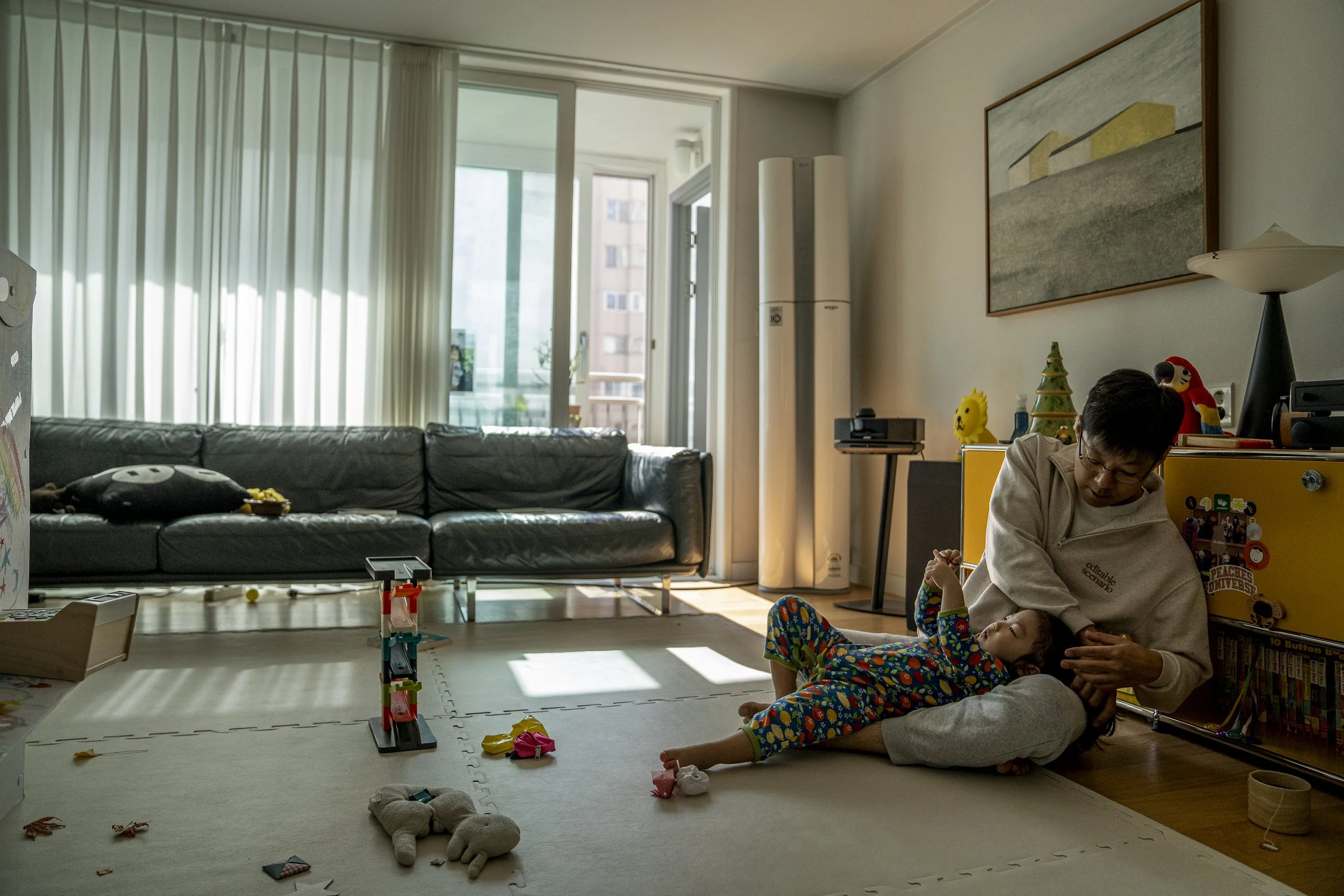
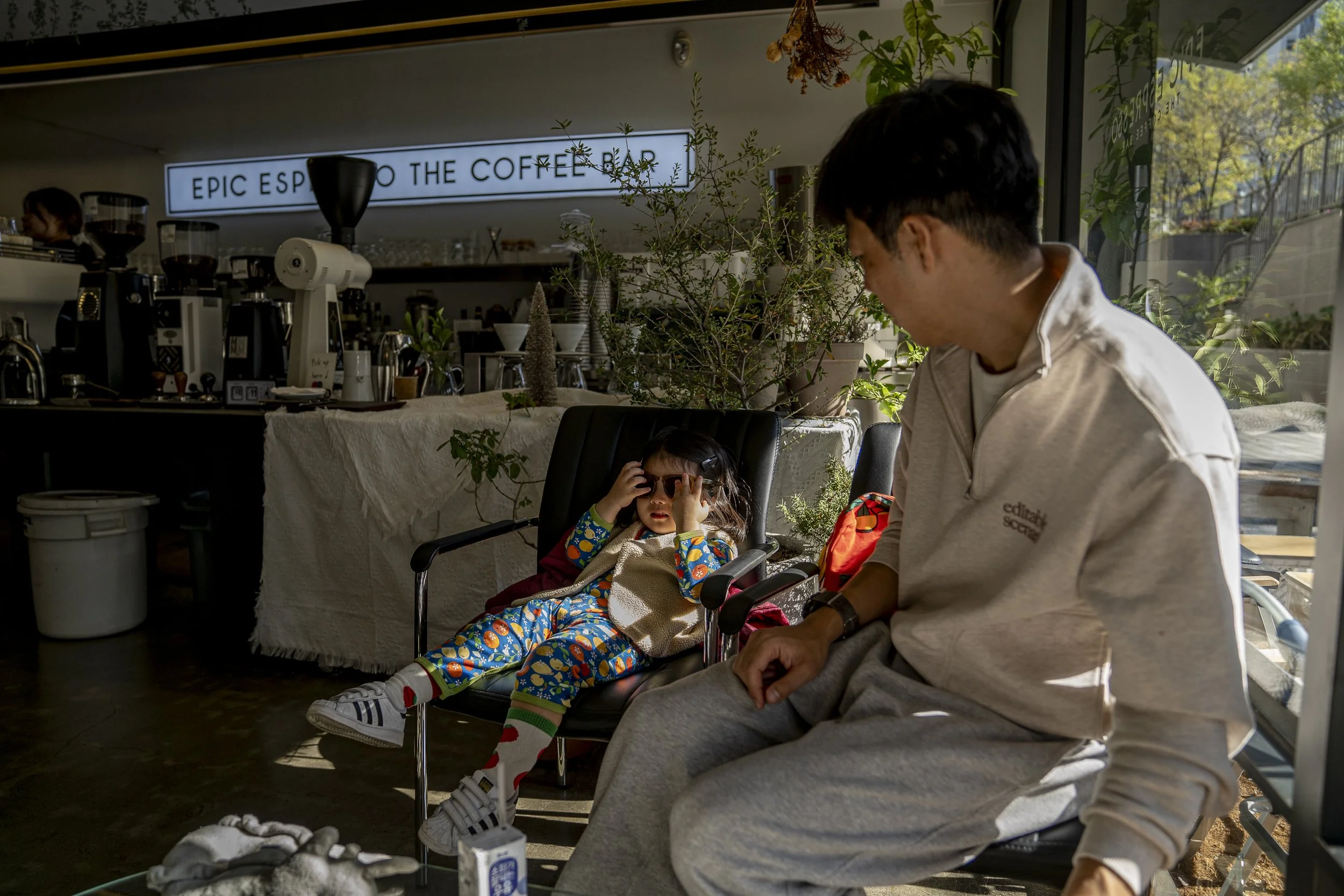

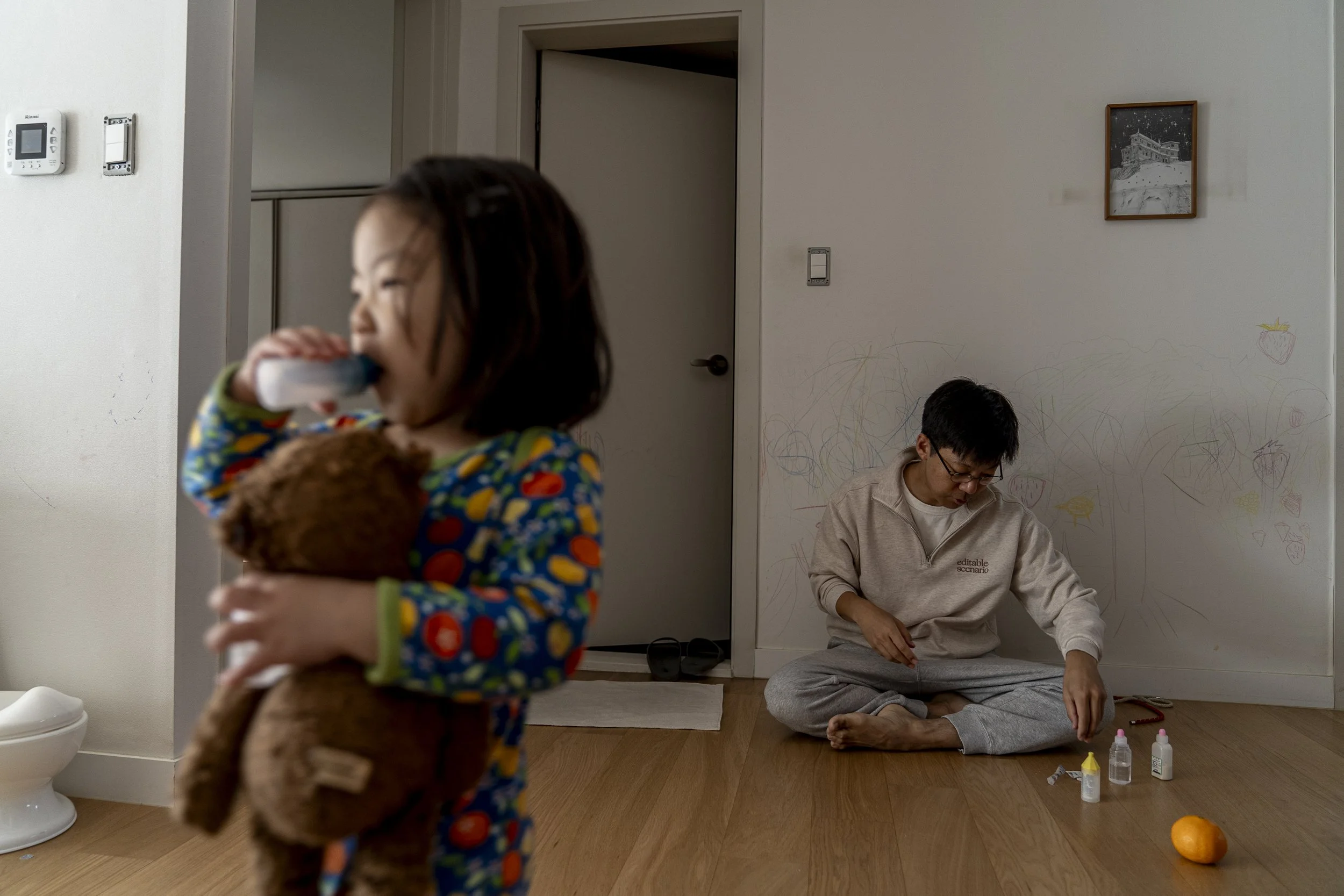
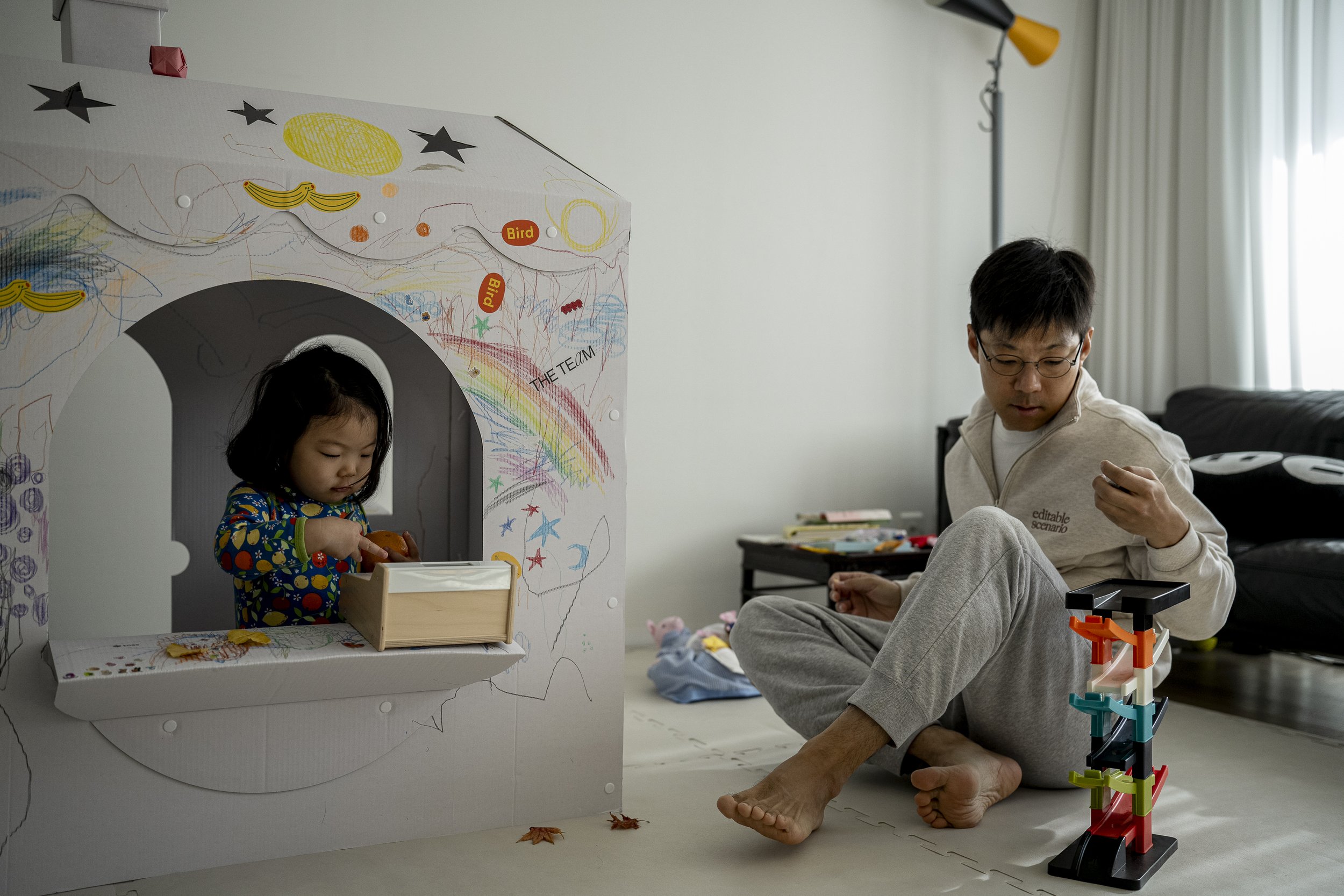
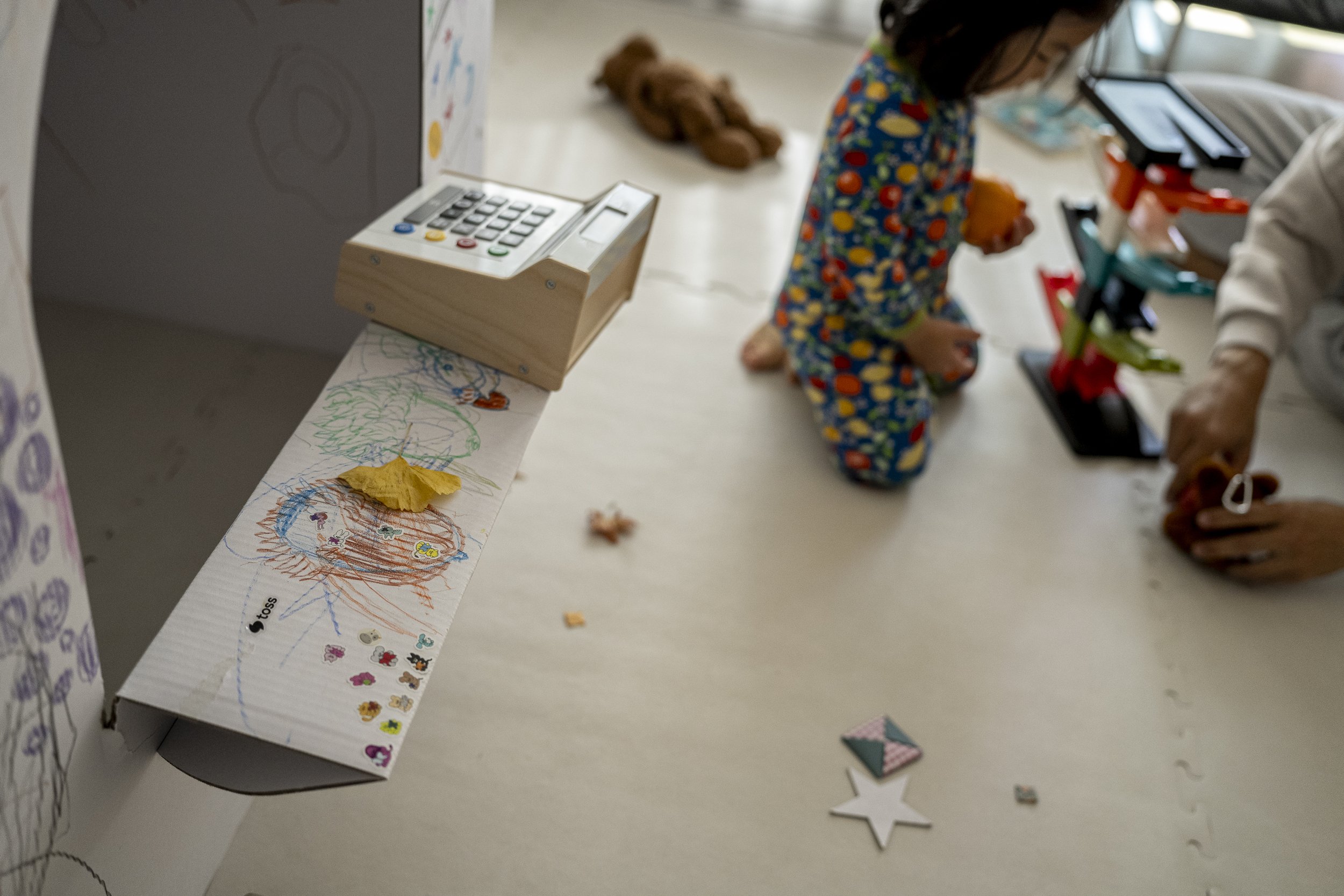

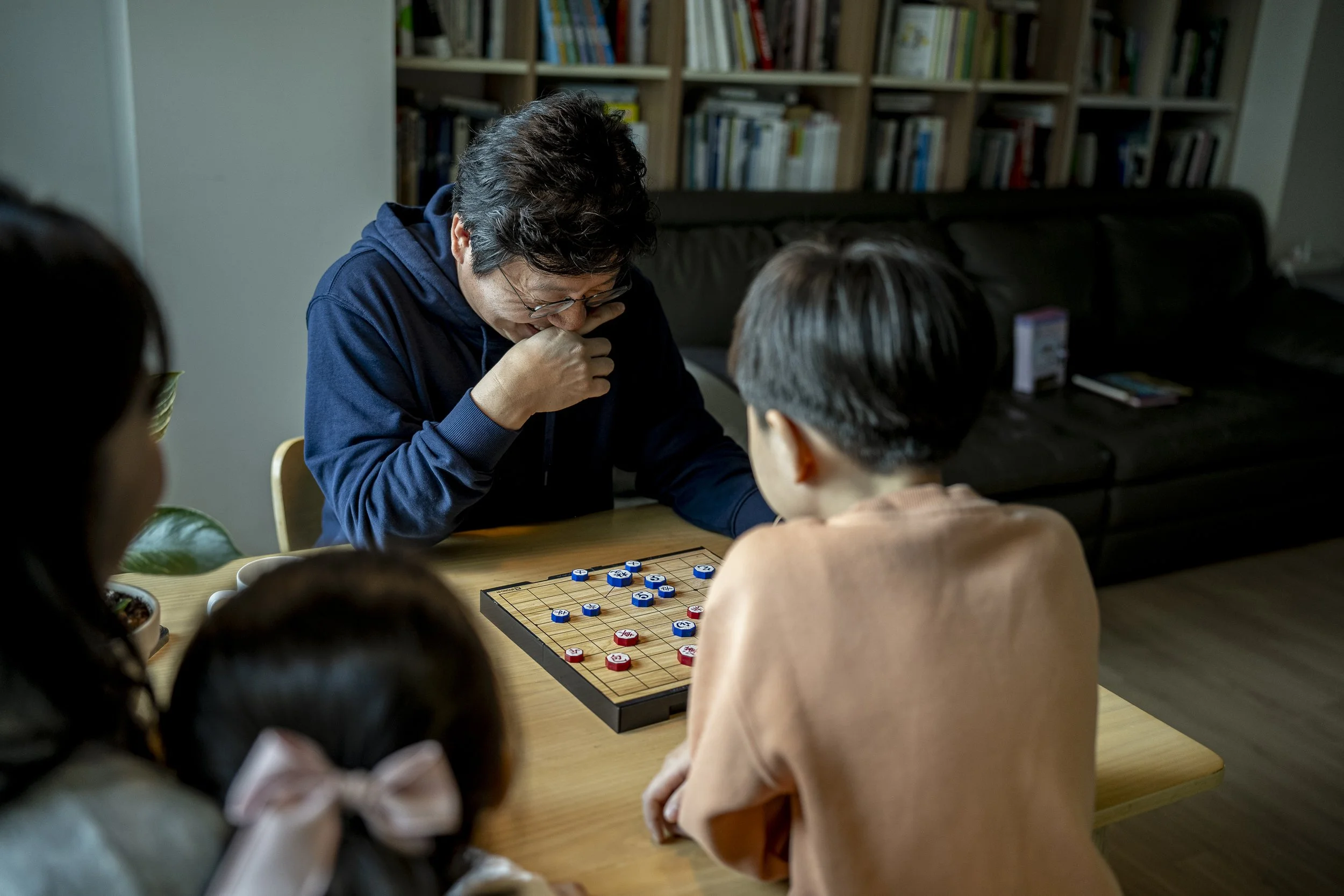
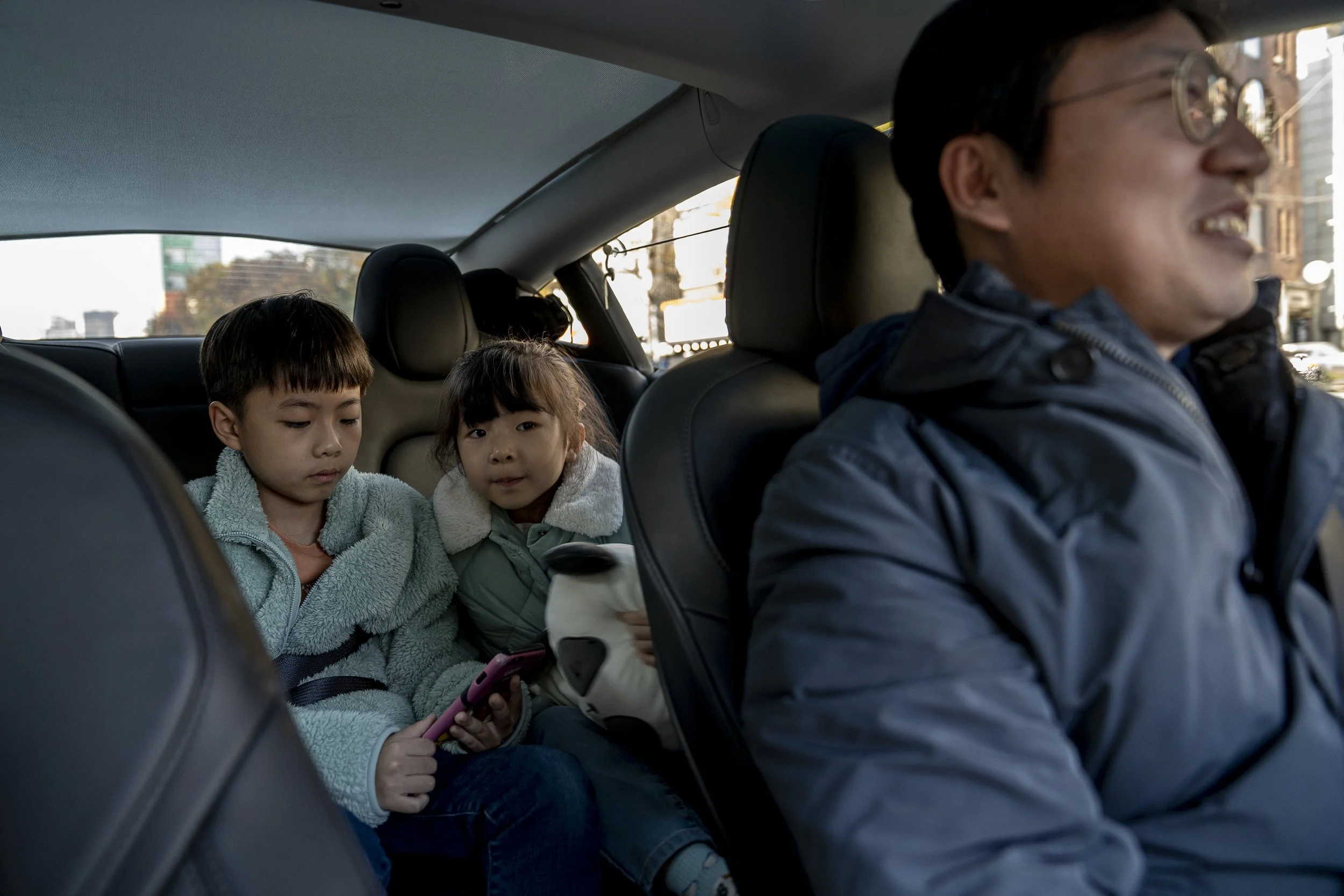
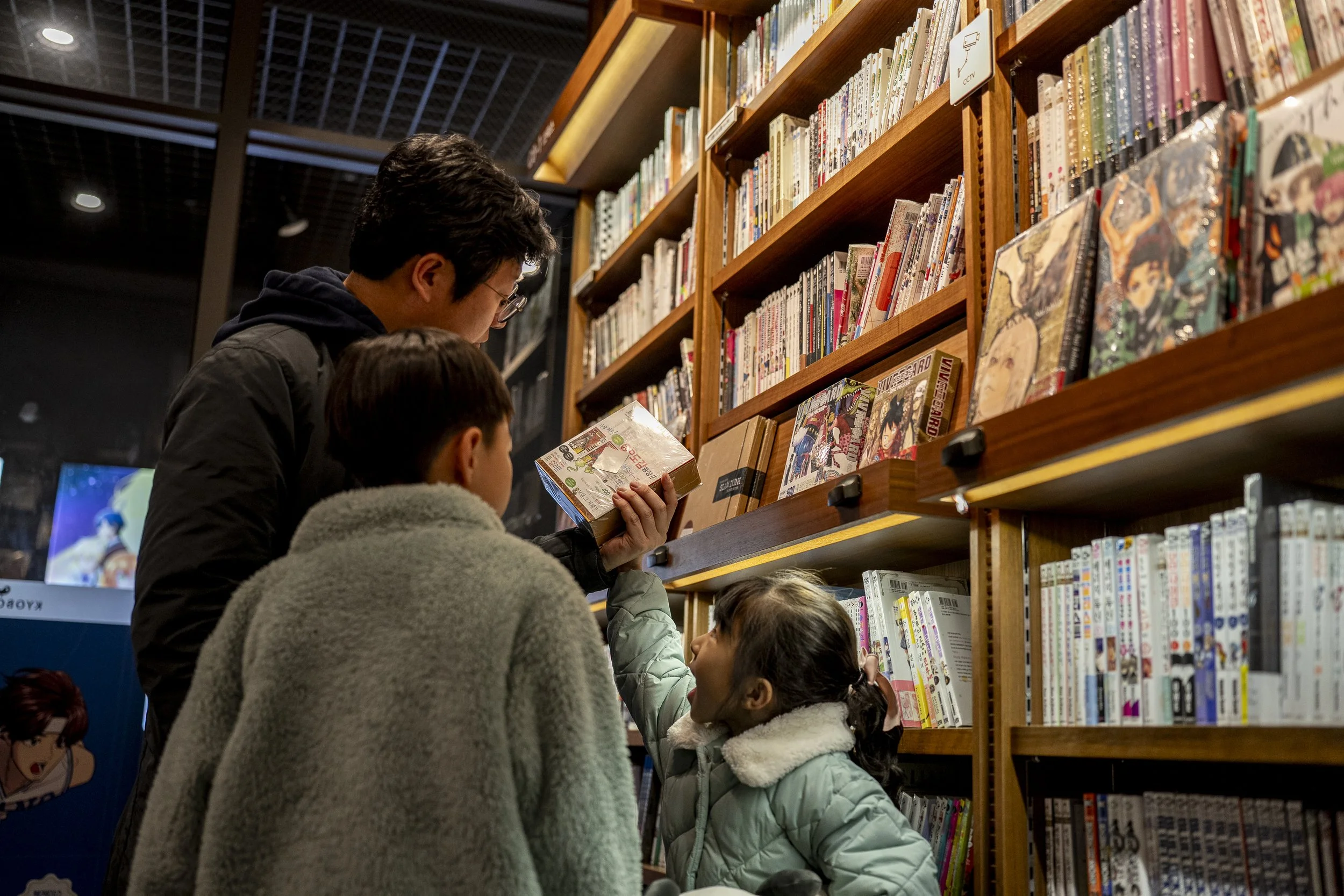
Son Hyun, Bae Jeong-min and three other dads founded the Sunday Fathers Club, a weekly newsletter with about 1,800 subscribers that promotes more equitable households.
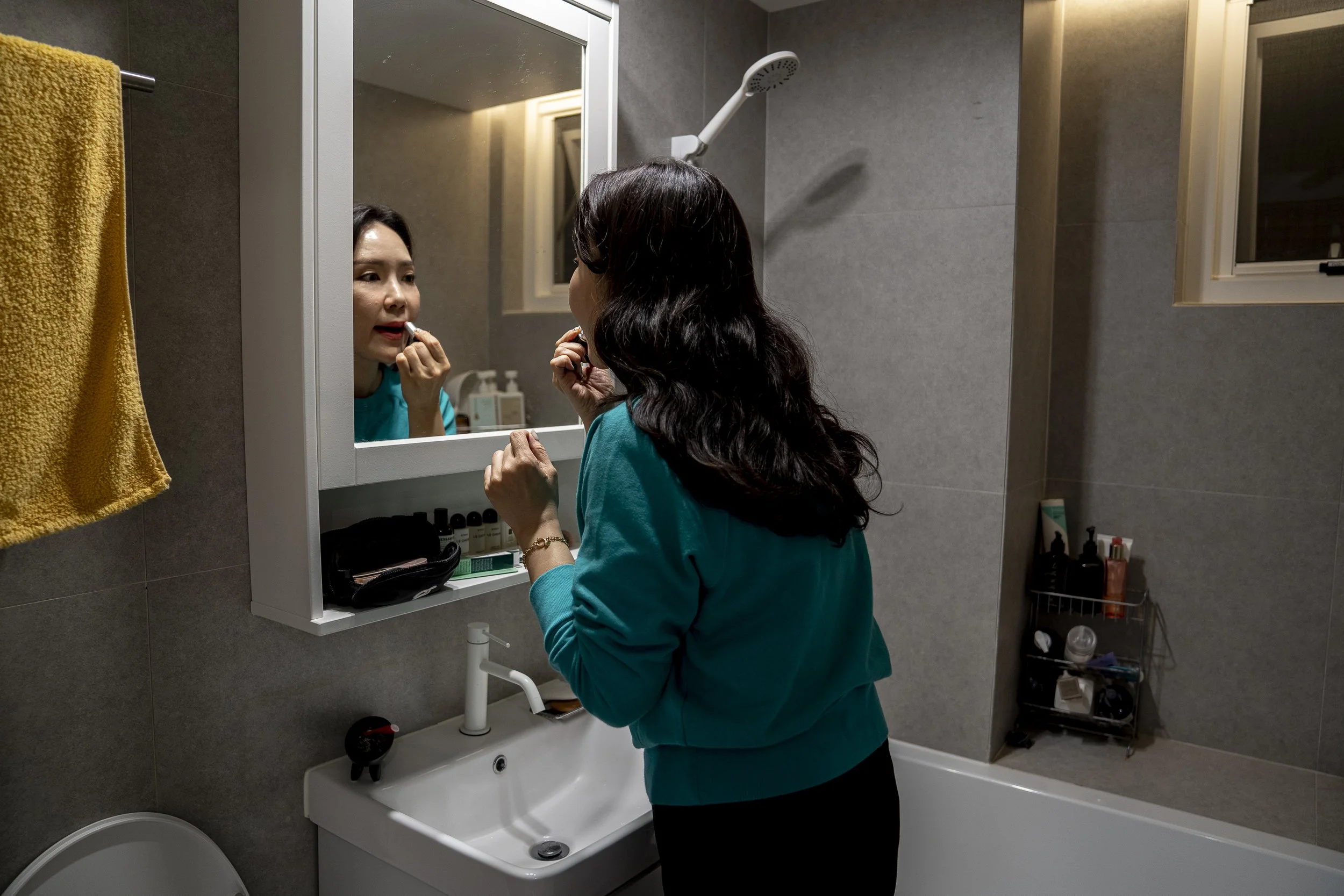
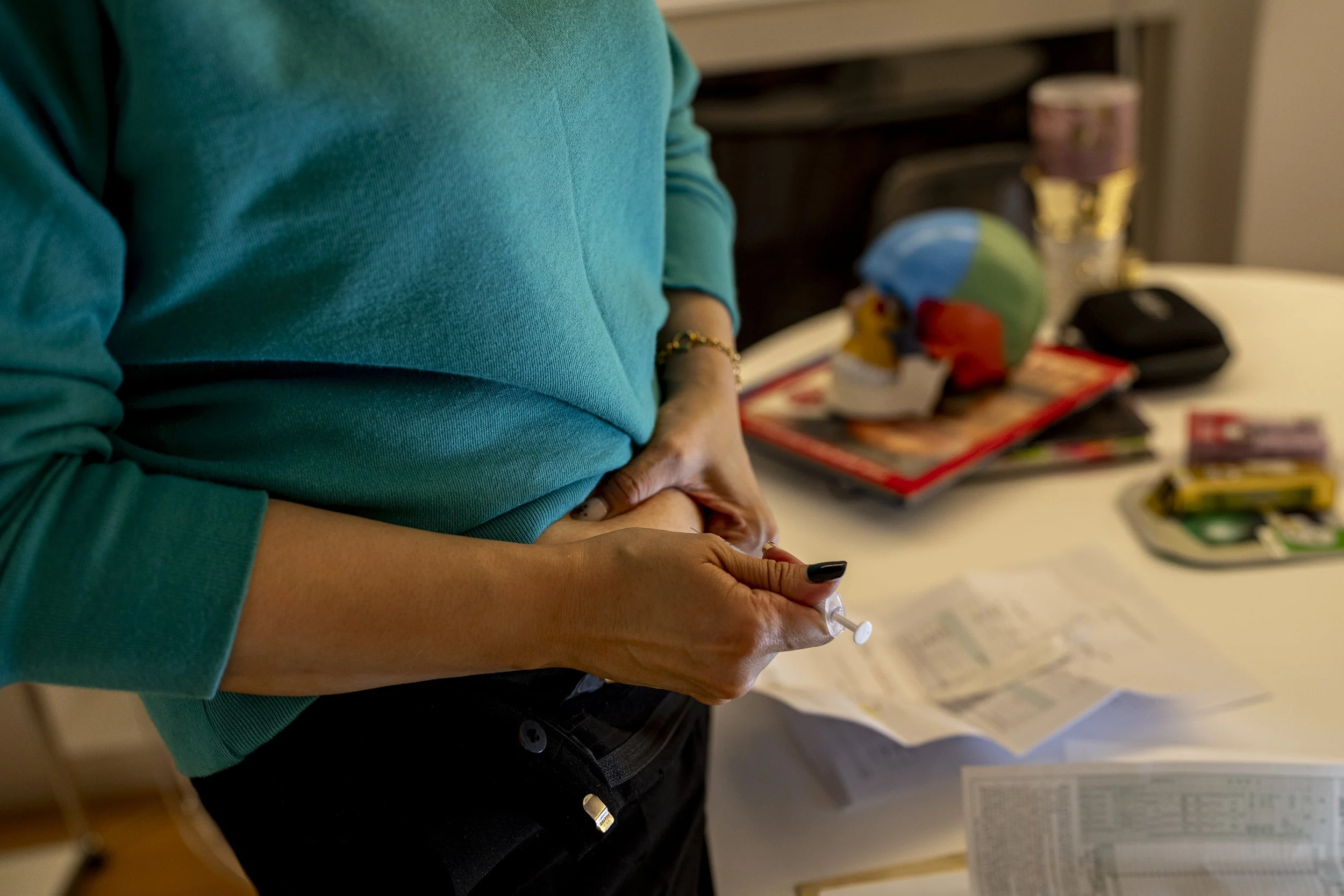
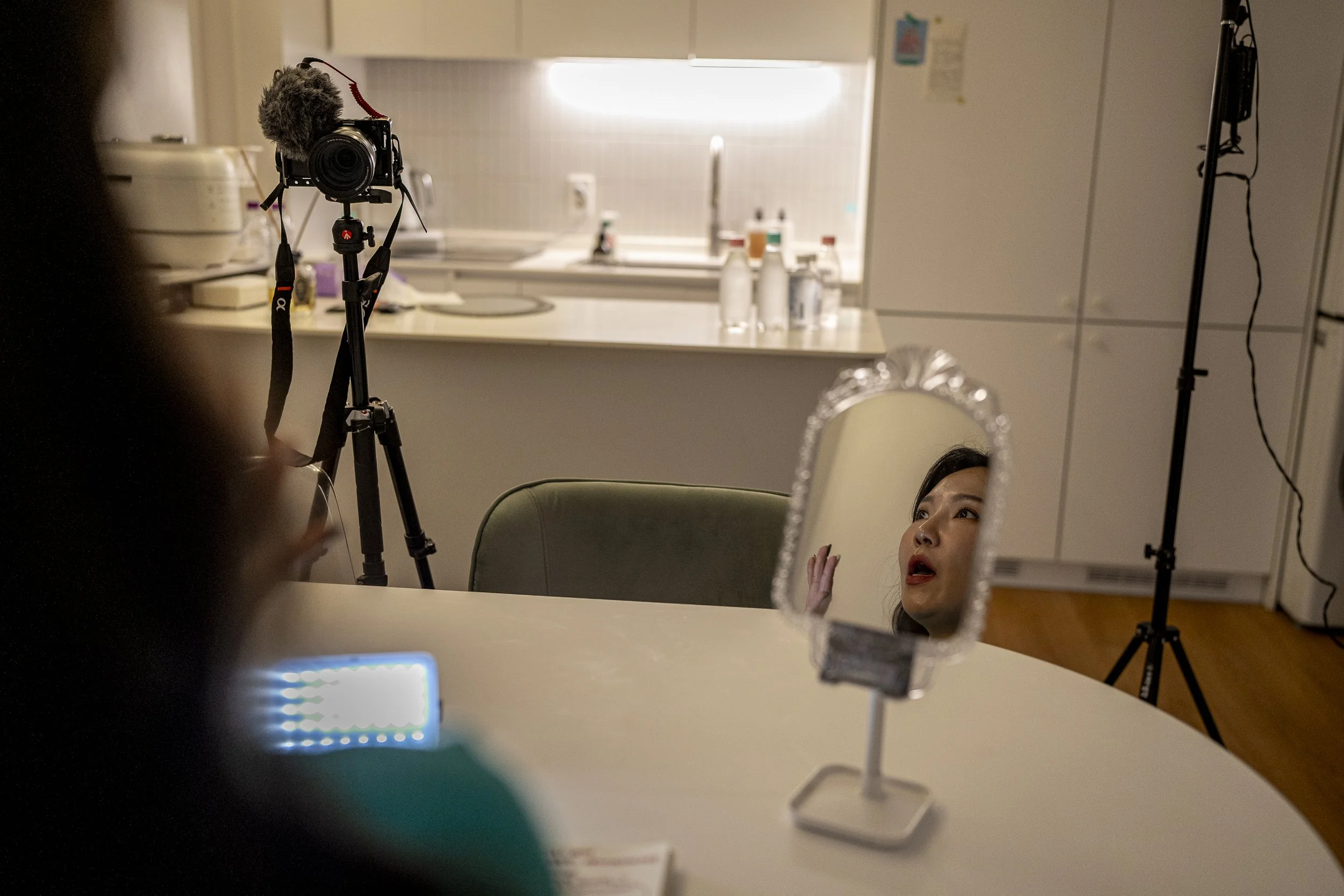
Koo Eun-kyong, like many other South Korean women are delaying motherhood by choice or by circumstance, putting professional and financial goals first. Koo is among the increasing number of unmarried Korean women freezing their eggs to preserve their chance at becoming a mother when they’re ready.
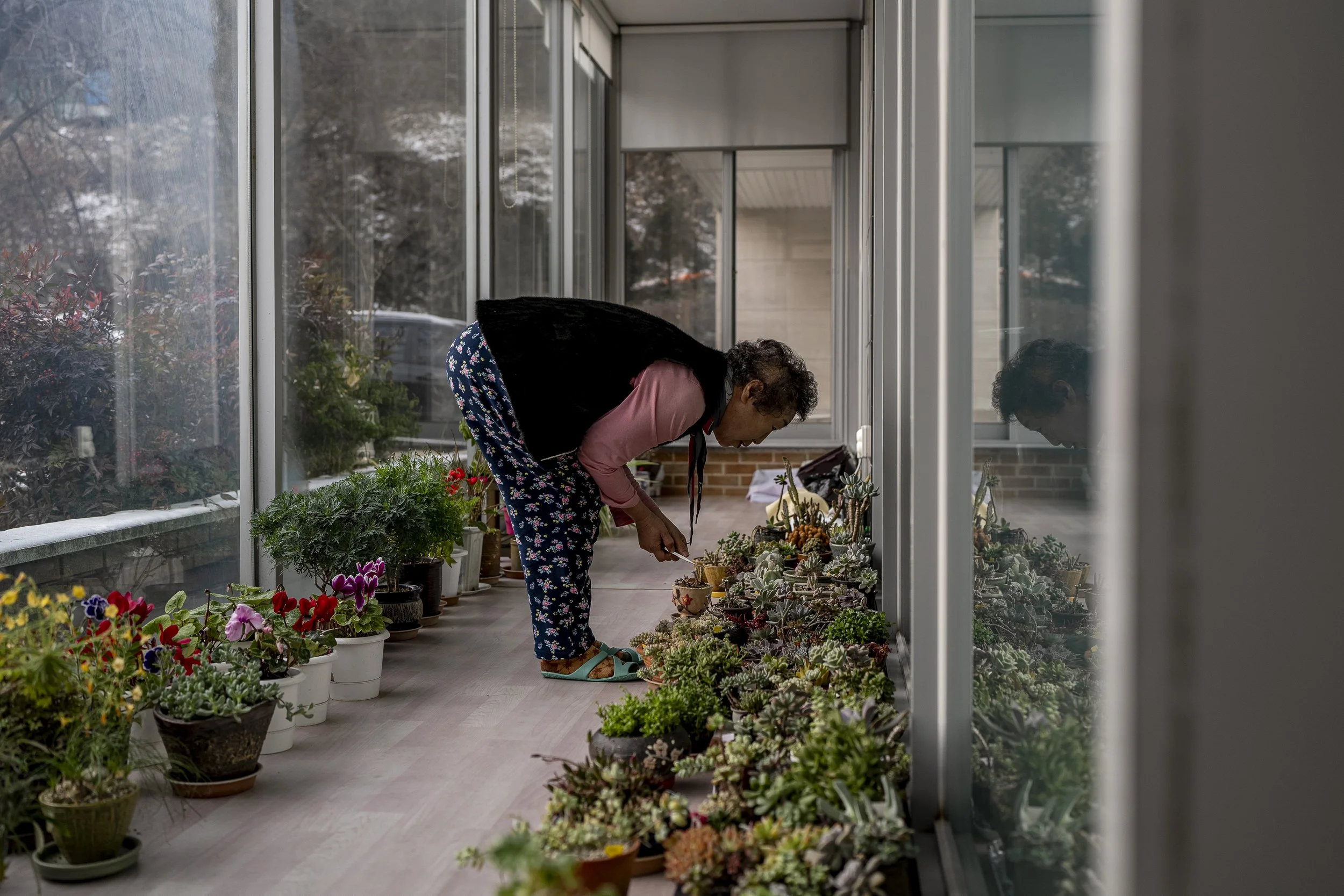
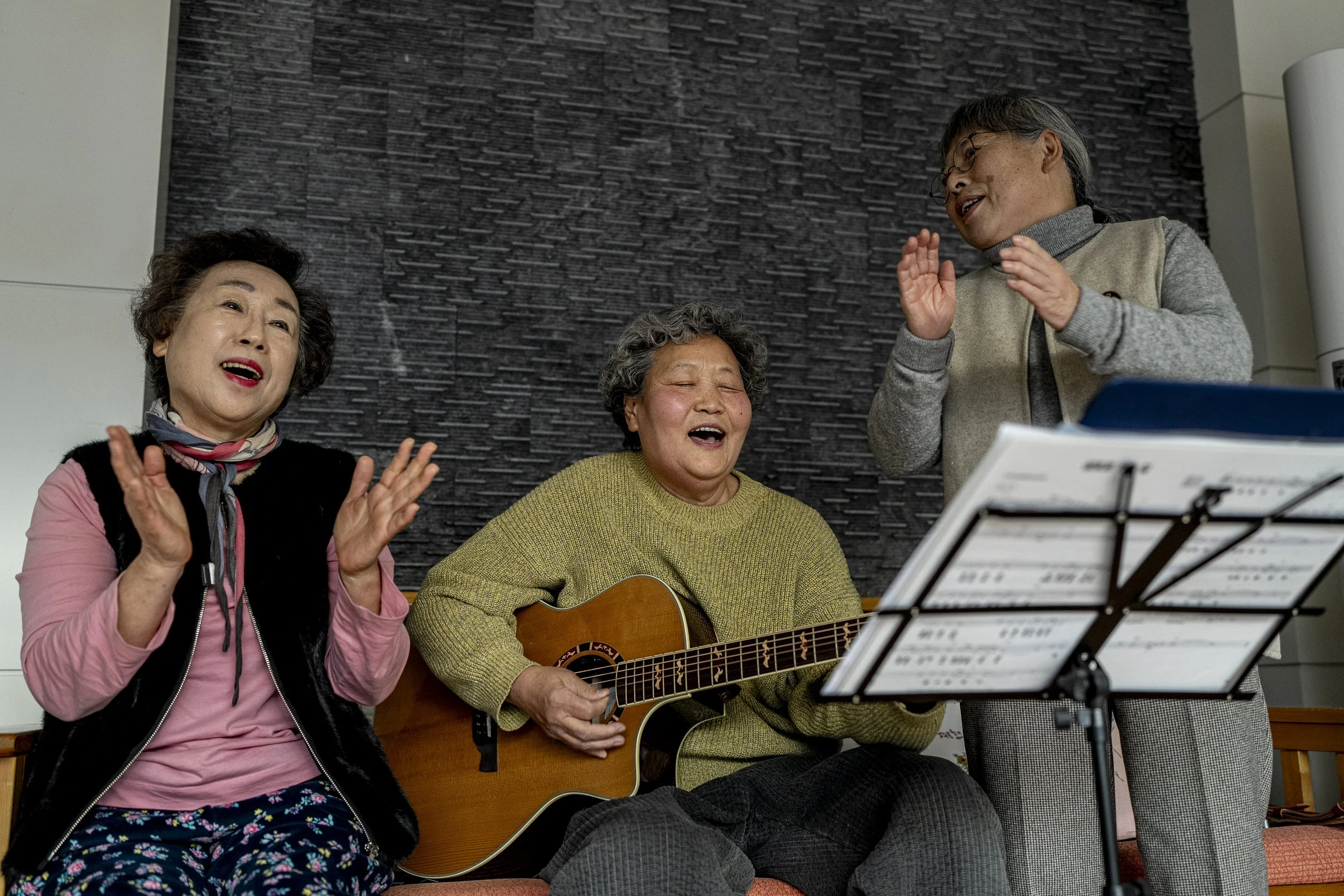
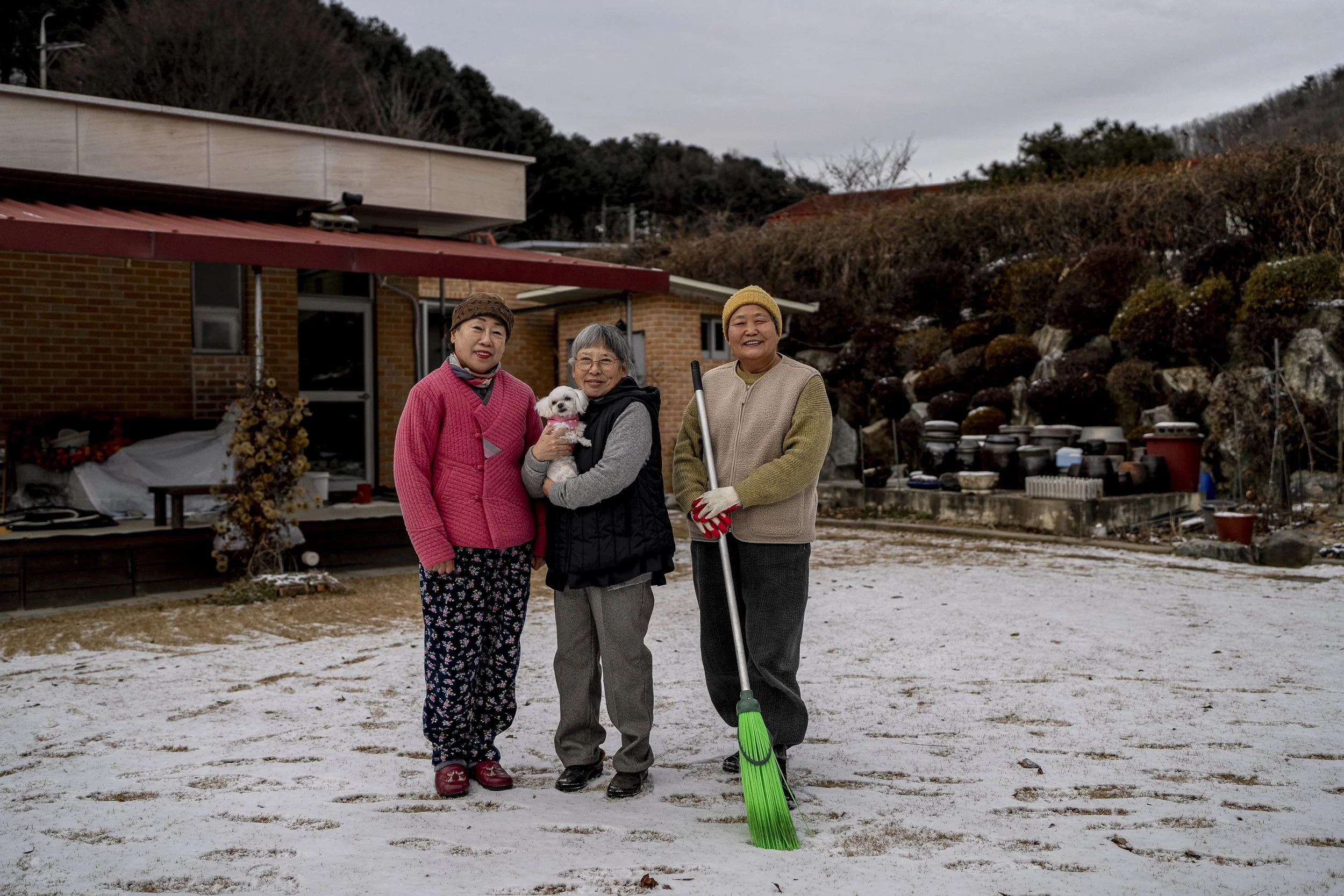
Shim Jae-shik, Lee Hye-ok and Lee Kyung-ok are among a growing number of South Koreans forming a new kind of familial structure: They are creating communities to help each other navigate housing, retirement and health-care systems built around married couples. It’s called “DIY family” — a platonic, collective-living model that many people who are “bihon” advocate.