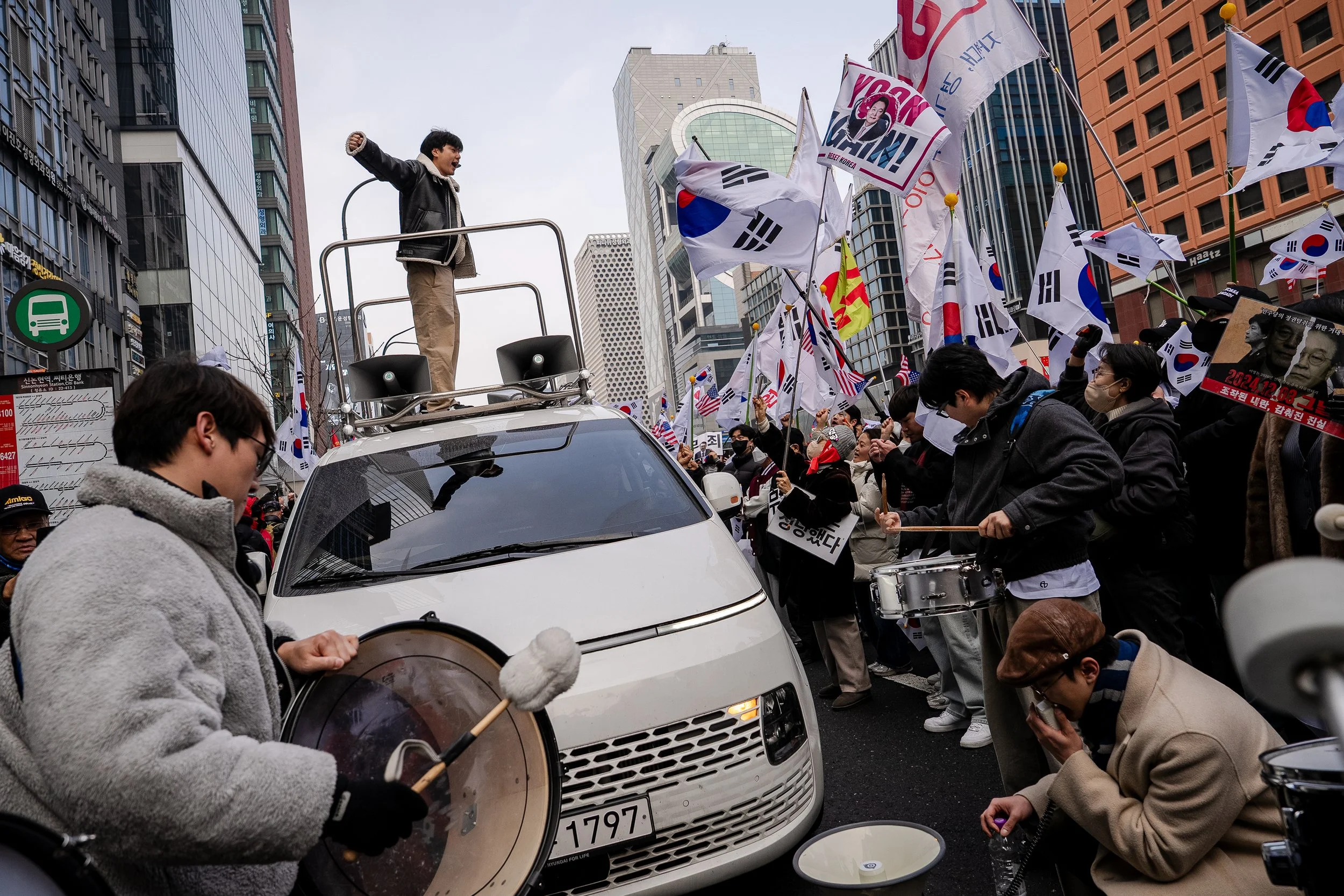
These young men want to bring the MAGA movement to South Korea
Two men stand on the roof of a white Hyundai van. Above them, gleaming skyscrapers, an ice-blue sky. Below them, a crowd of 2,000 people, raised fists, smartphone cameras. And a sea of flags. Many South Korean flags, but also U.S. flags. Some are as big as billboards. They flutter in the wind as if they want to replace the horizon. In between, banners read: “Yoon again,” “Real president.” Caps with the slogan “Stop the Steal,” jackets printed with “MKGA,” short for “Make Korea Great Again.”
The two men on the van begin their speeches. Their names are Park Joon Young and Sim Jae Hong.
The “Freedom University” has once again called for a demonstration, as it has on more than 50 Saturdays over the past year. It is not a university, but a movement that experts classify as far-right. It calls itself conservative. It has sprung up at about 40 universities across the country. Twenty to thirty young people are currently actively involved, members say. When they organize protest marches, sometimes thousands show up. The young. The old. Women too, but mostly men. And Park and Sim are their stars.
Not only in South Korea, but also in other countries such as the U.S., Germany, and Hungary, young men are becoming radicalized as they sense that the old social contract no longer holds. Their attitude is fueled by similar feelings, a mixture of resentment, powerlessness, and fear of the future. The students at the “Freedom University” not only copy the aesthetics of U.S. President Donald Trump’s “Make America Great Again” movement but also adopt its political logic: distrust of the media, the courts, and election results, and the notion that a strong man can save their country.
At the same time, the divide between young men and young women is greater in South Korea than in almost any other wealthy country. Women often earn less and are less likely to advance. Young men, in turn, feel they are wasting time due to military service and competitive pressure and that they are not taken seriously by women. The conflict has long since spilled over into private life: into relationships, marriages, and the question of whether to have children at all. The country has the lowest birth rate of all wealthy industrialized nations. Movements like the “Freedom University” are emerging precisely from this rift.
Excerpts from the story by Cathrin Schmiegel with contribution from Lee So Jeong (translated from German to English)
Commissioned and published by Der Spiegel.
February 2026
Photographed in Seoul, South Korea
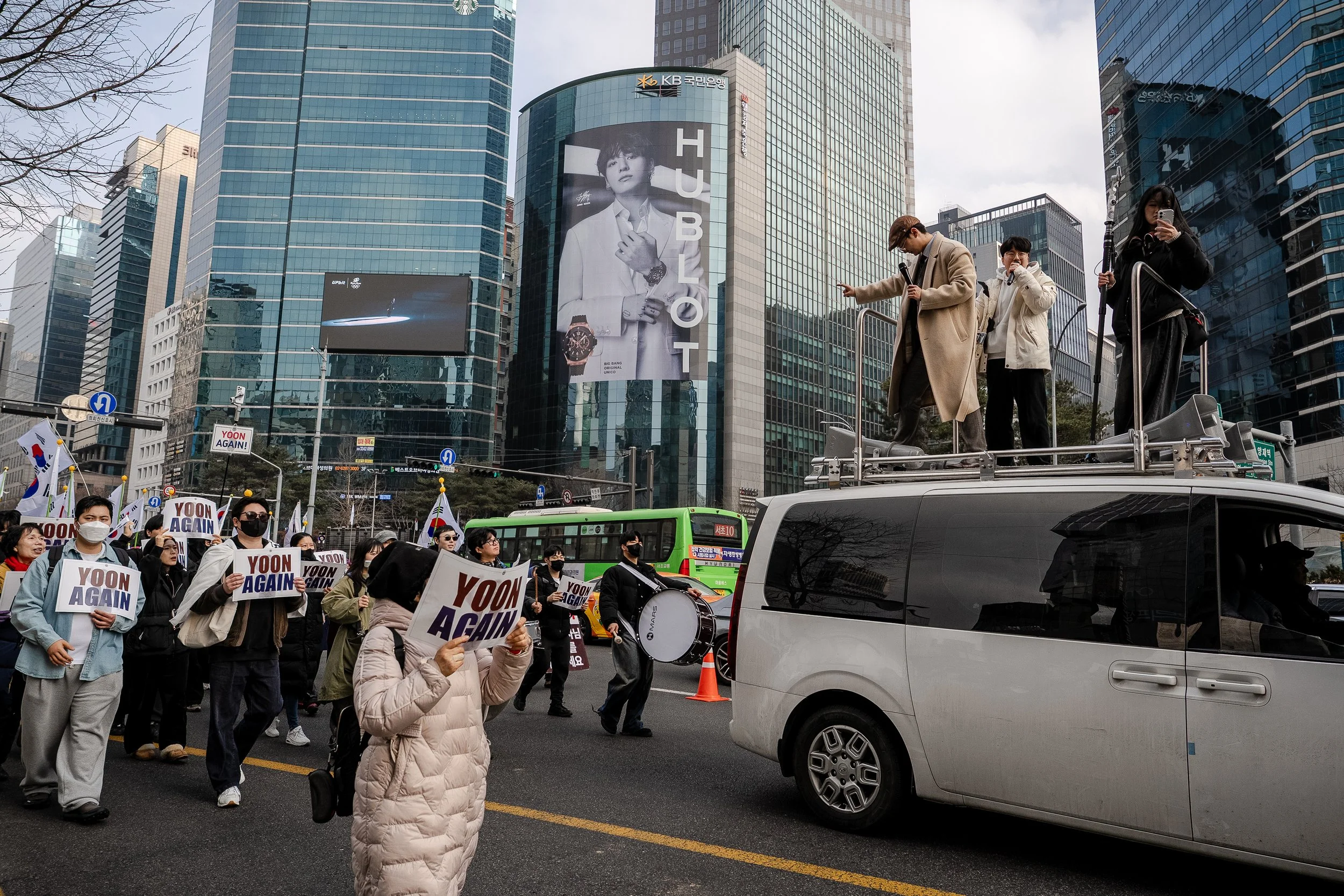
Sim Jae Hong, Spokesperson of Freedom University, leads right-wing supporters at a Yoon Again rally in Seoul.
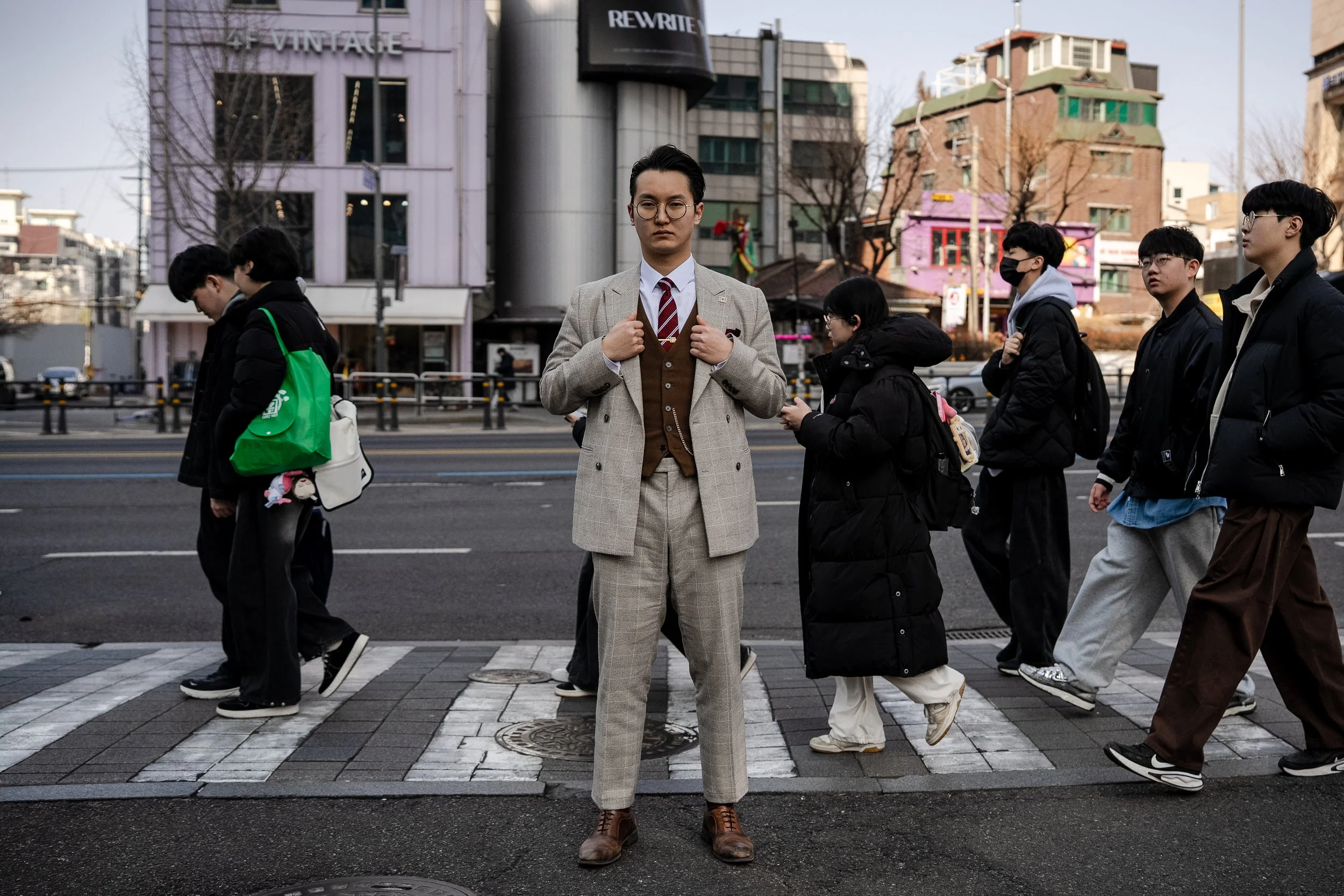
Sim Jae Hong in the streets of Hongdae, where he made a speech.
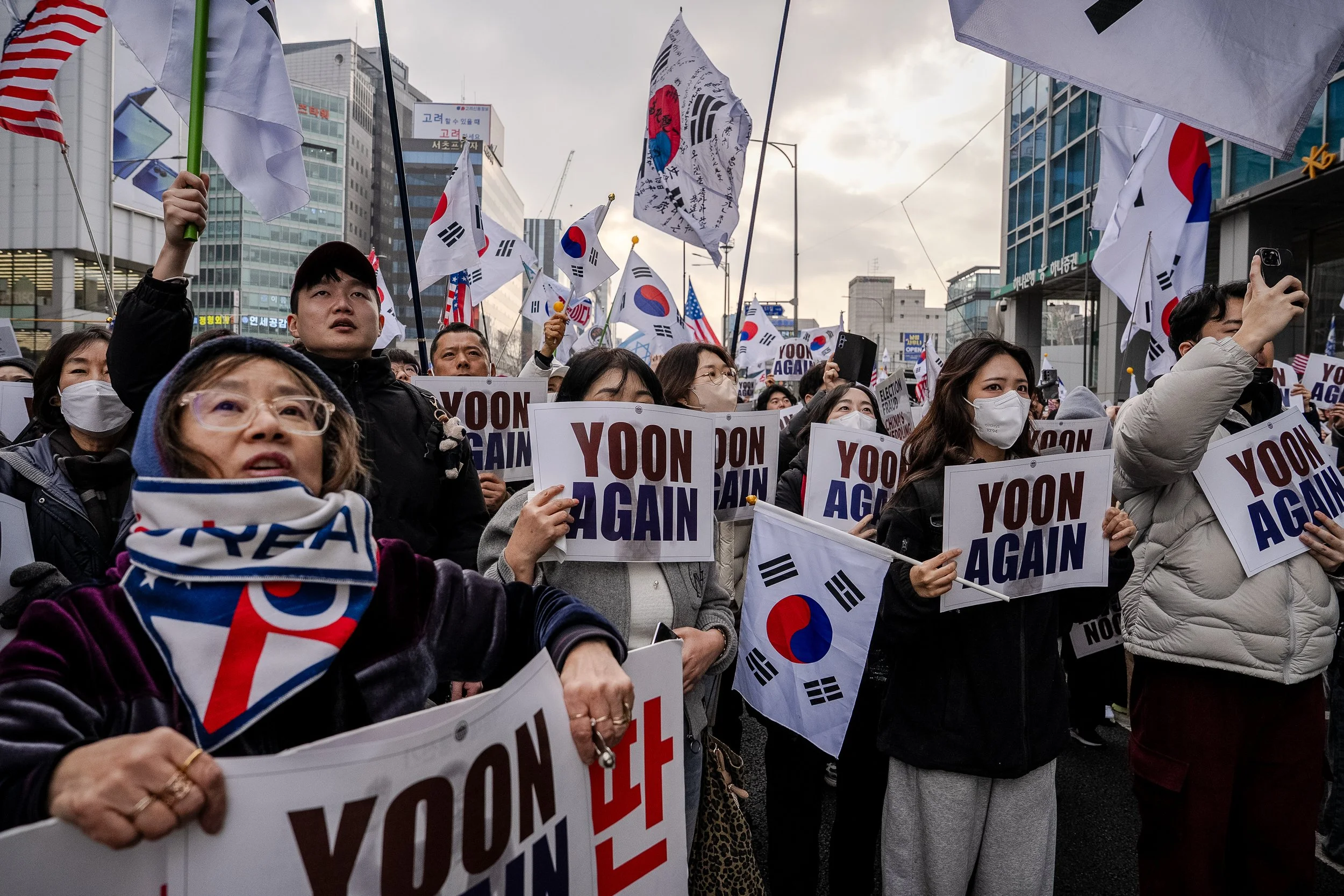
Supporters at a Yoon Again rally in Seoul.
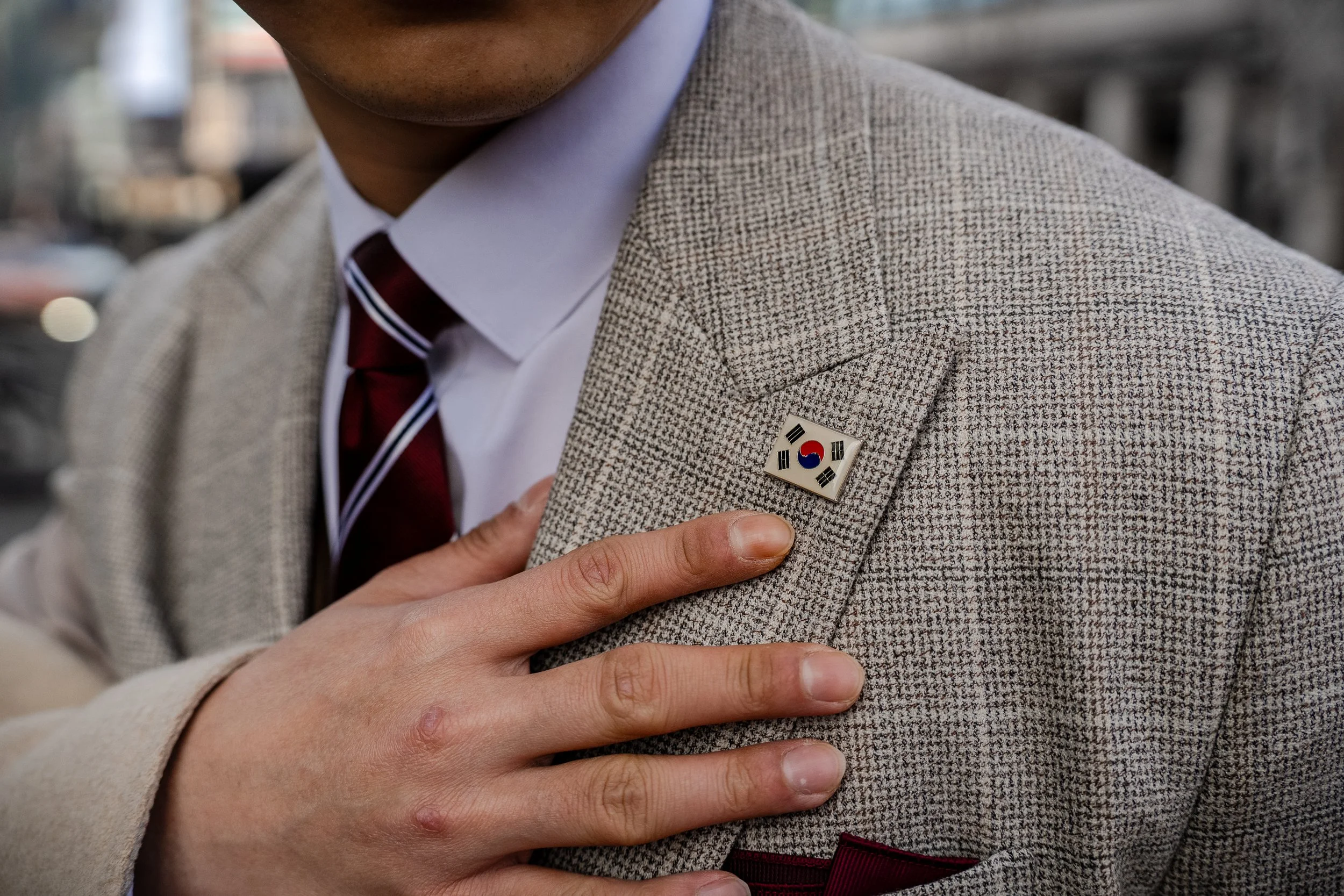
Sim Jae Hong wears a pin of the Korean flag that was given to him by a young right-wing supporter.
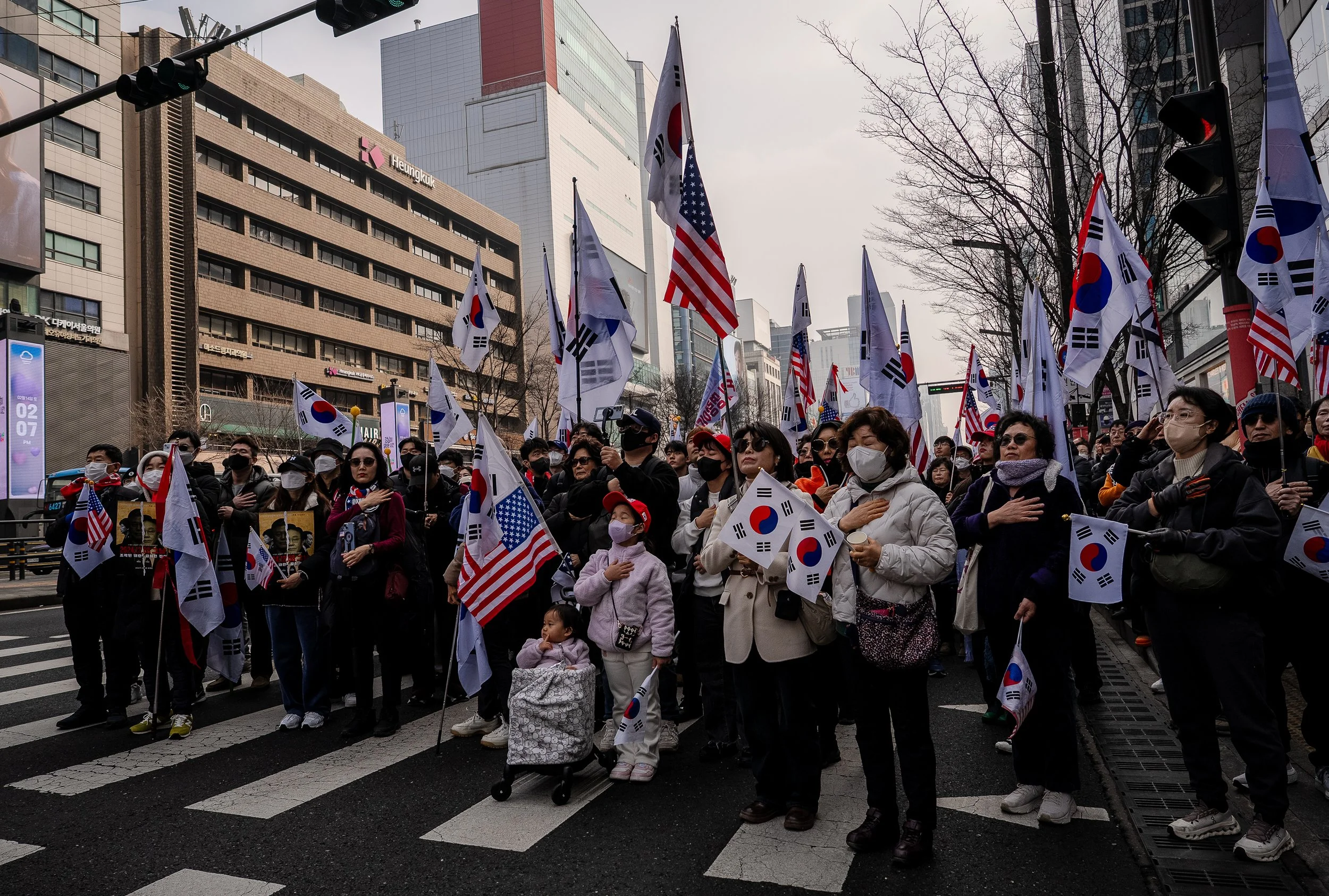
Supporters at a Yoon Again rally.
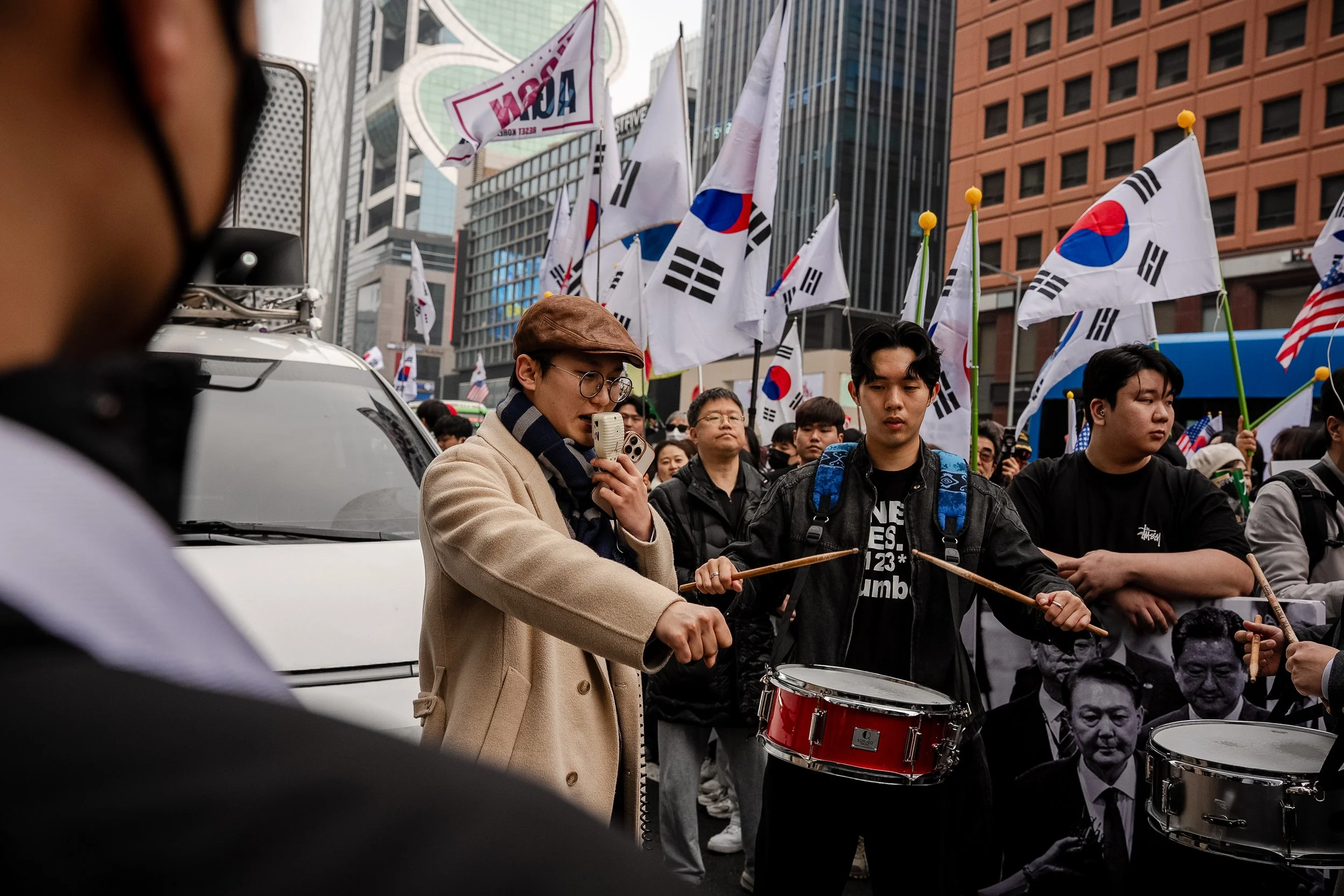
Sim Jae Hong conducts the band at a Yoon Again rally held by Freedom University.
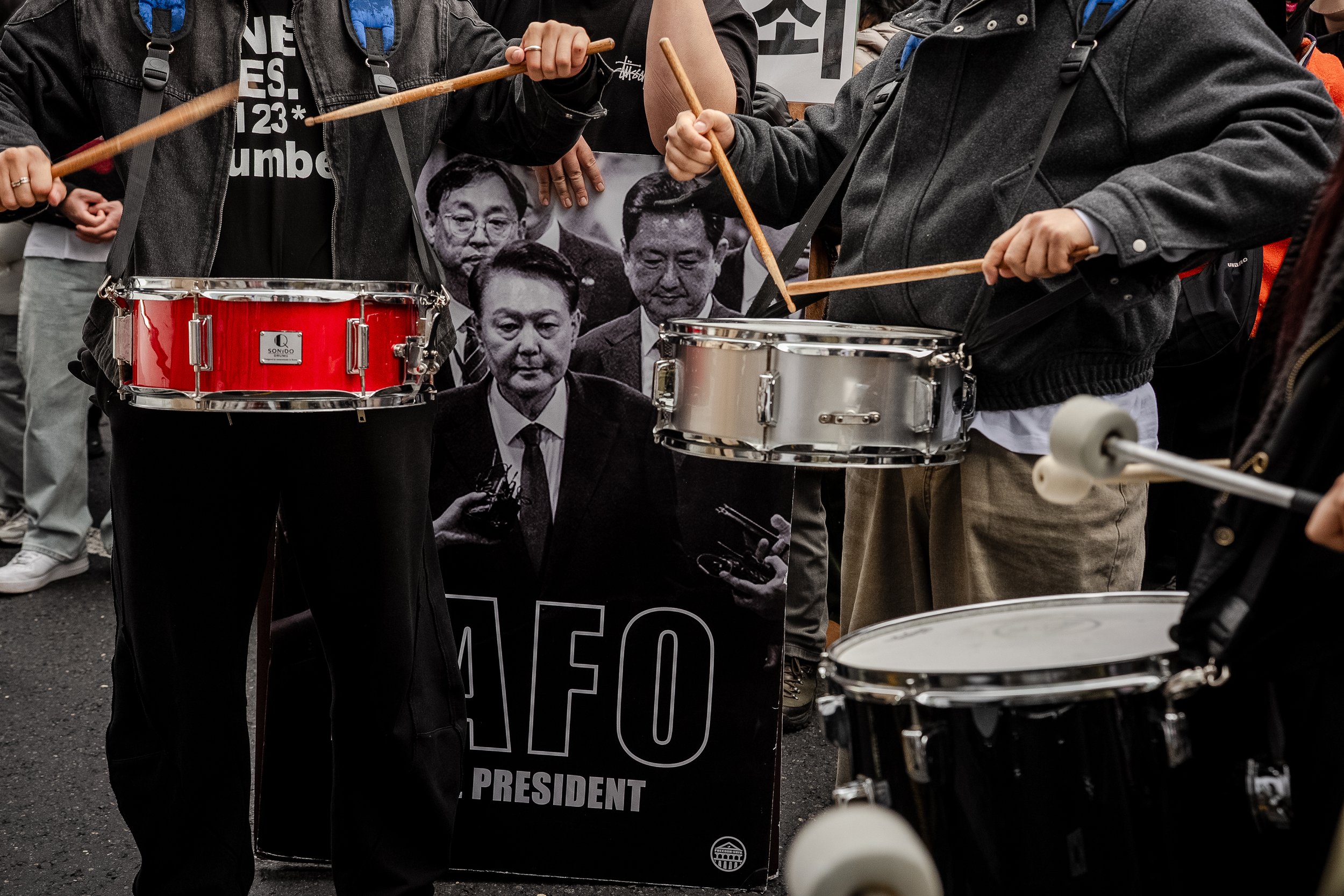
A band at a Yoon Again rally
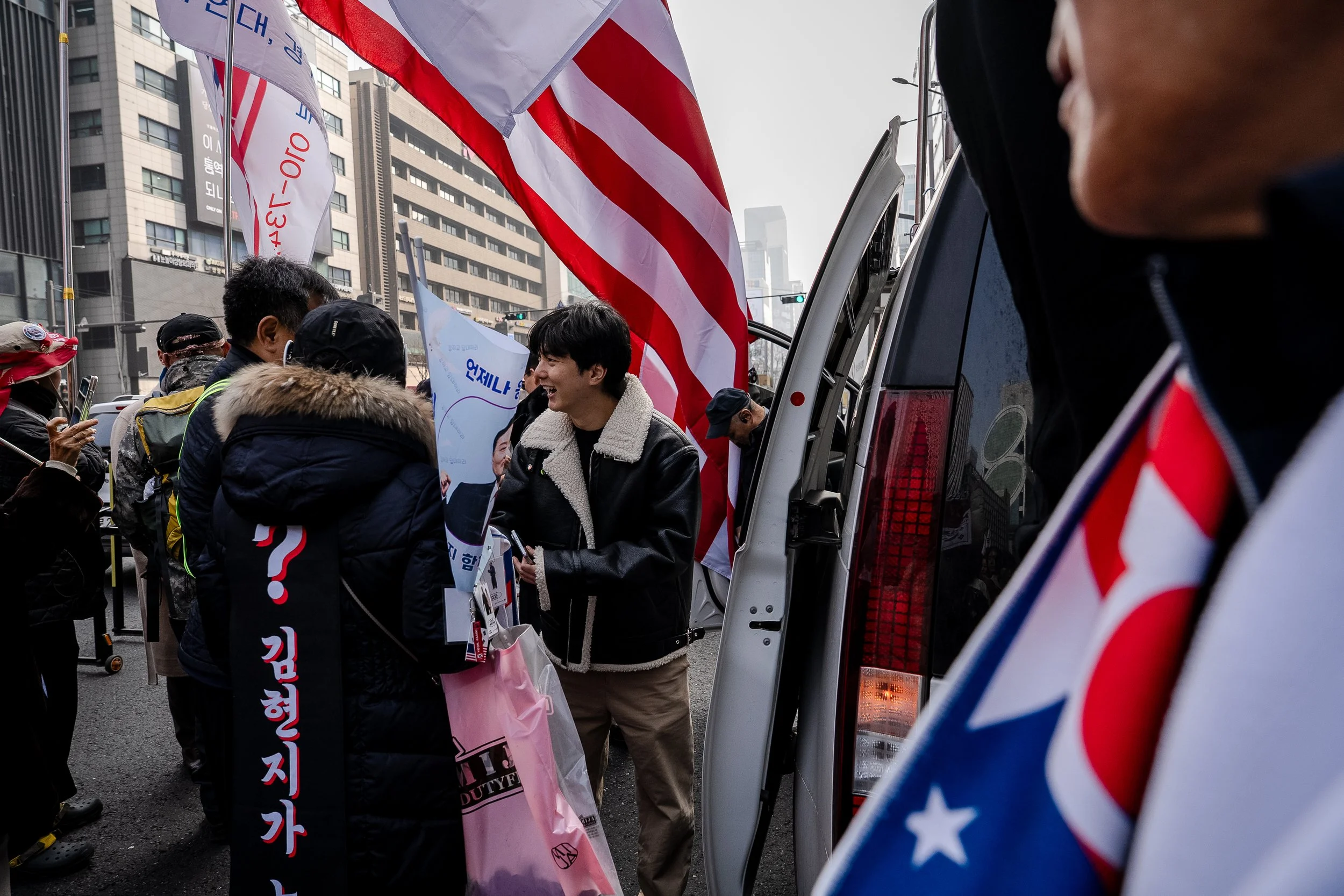
Supporters at a Yoon Again rally.
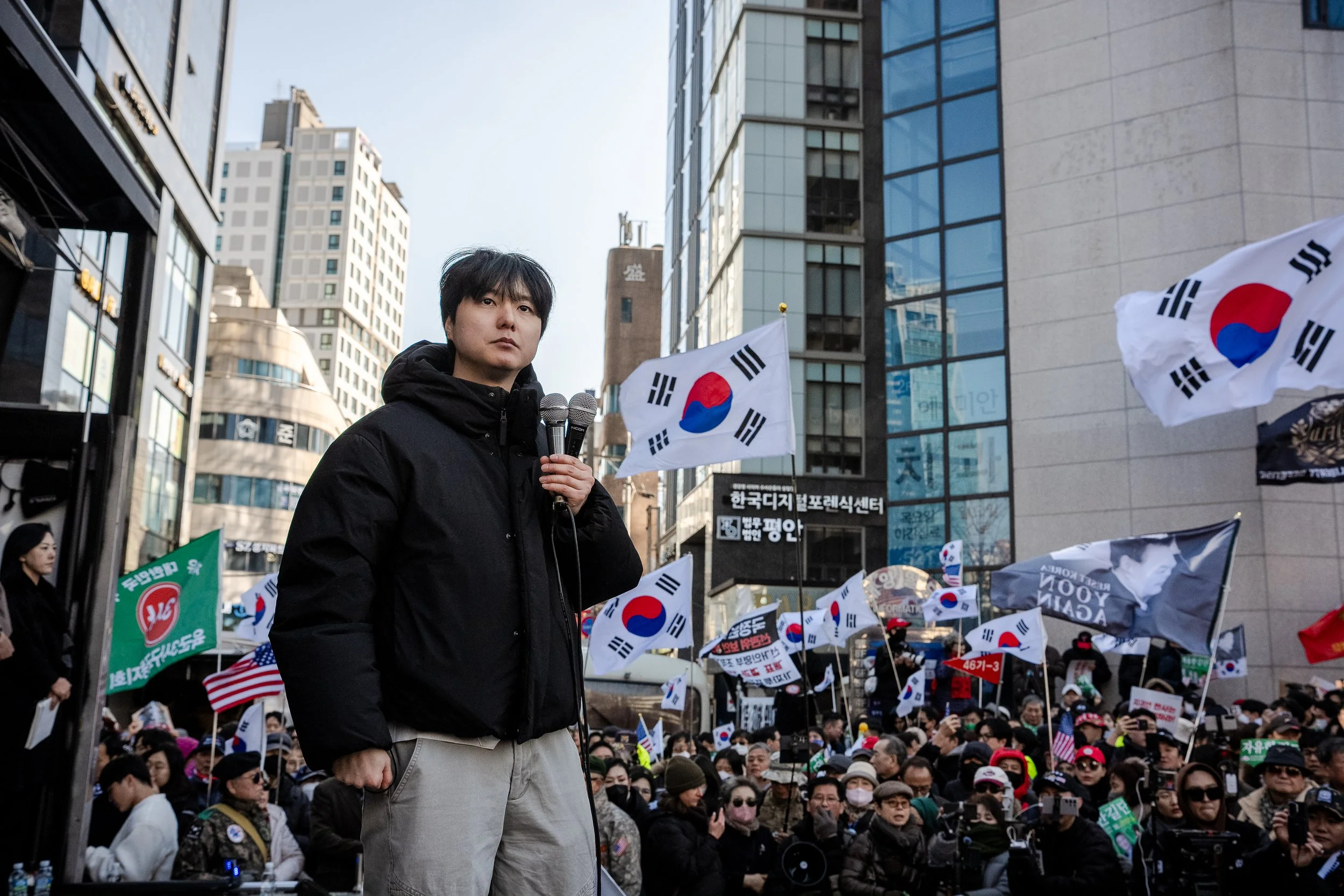
Park Joon Young, Representative of Freedom University, speaks to a crowd of right wing supporters gathered during Yoon Suk Yeol's criminal trial at Seoul Central Court in Seoul.
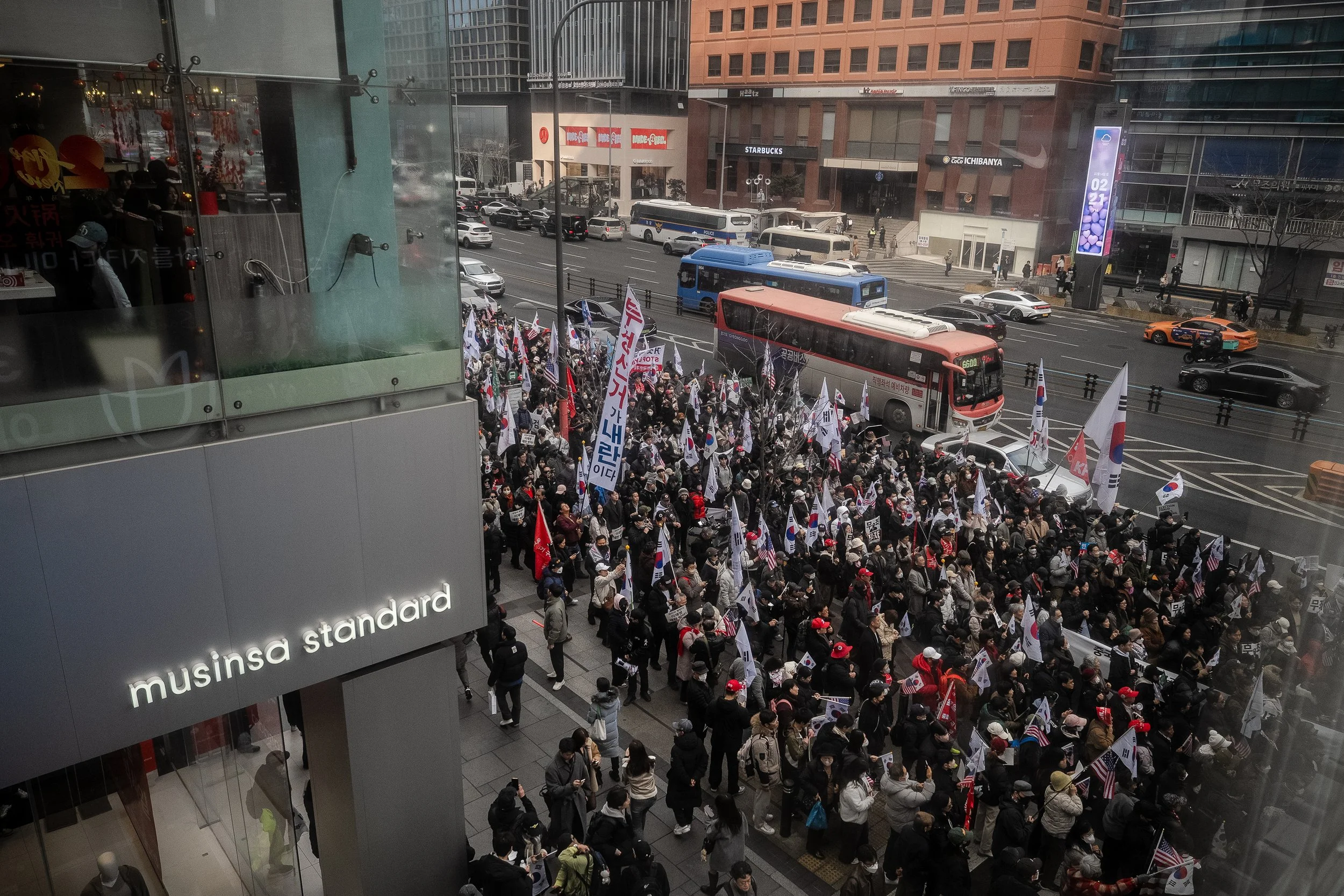
A crowd forms at a Yoon Again rally.
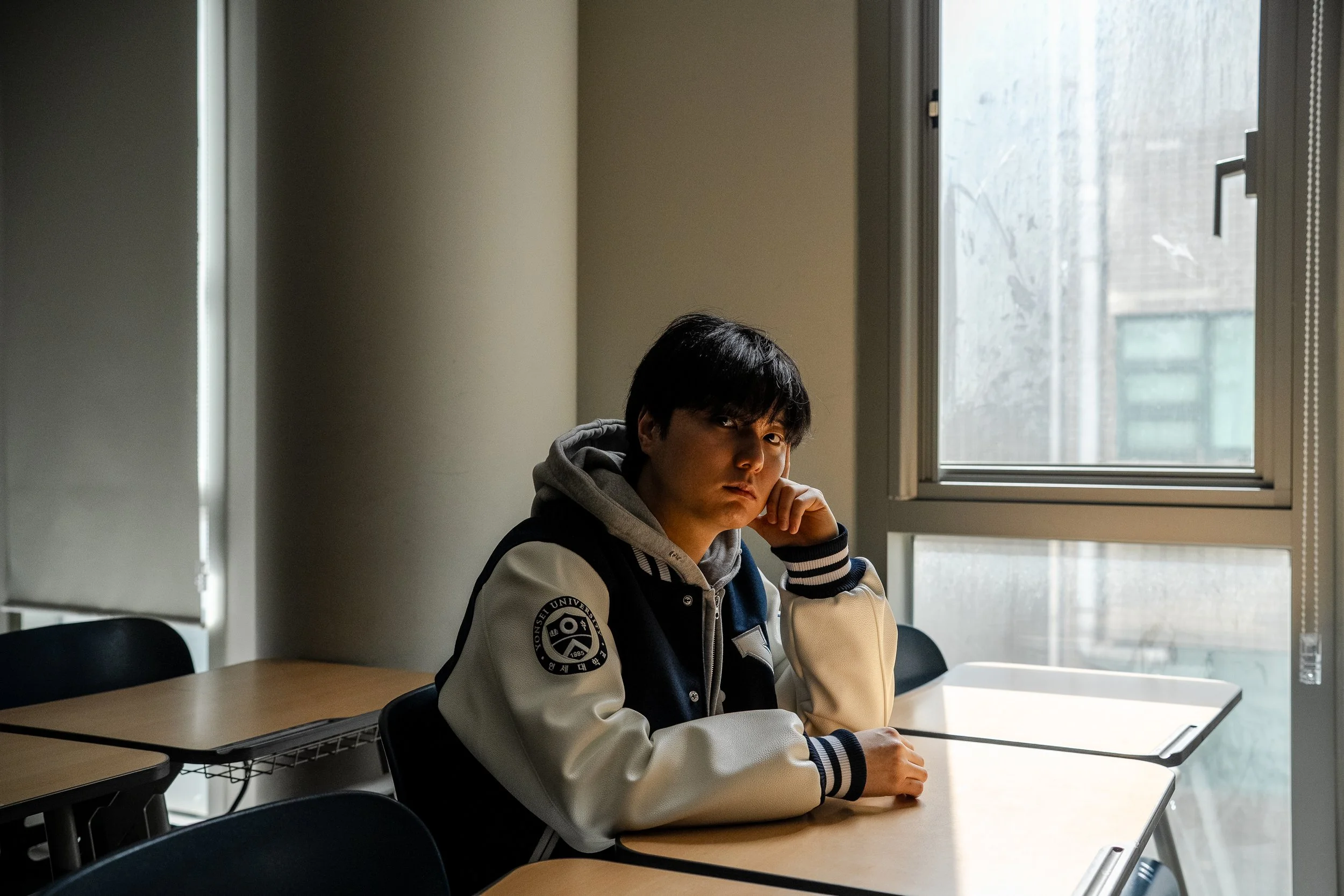
Park Joon Young in a classroom at Yonsei University.
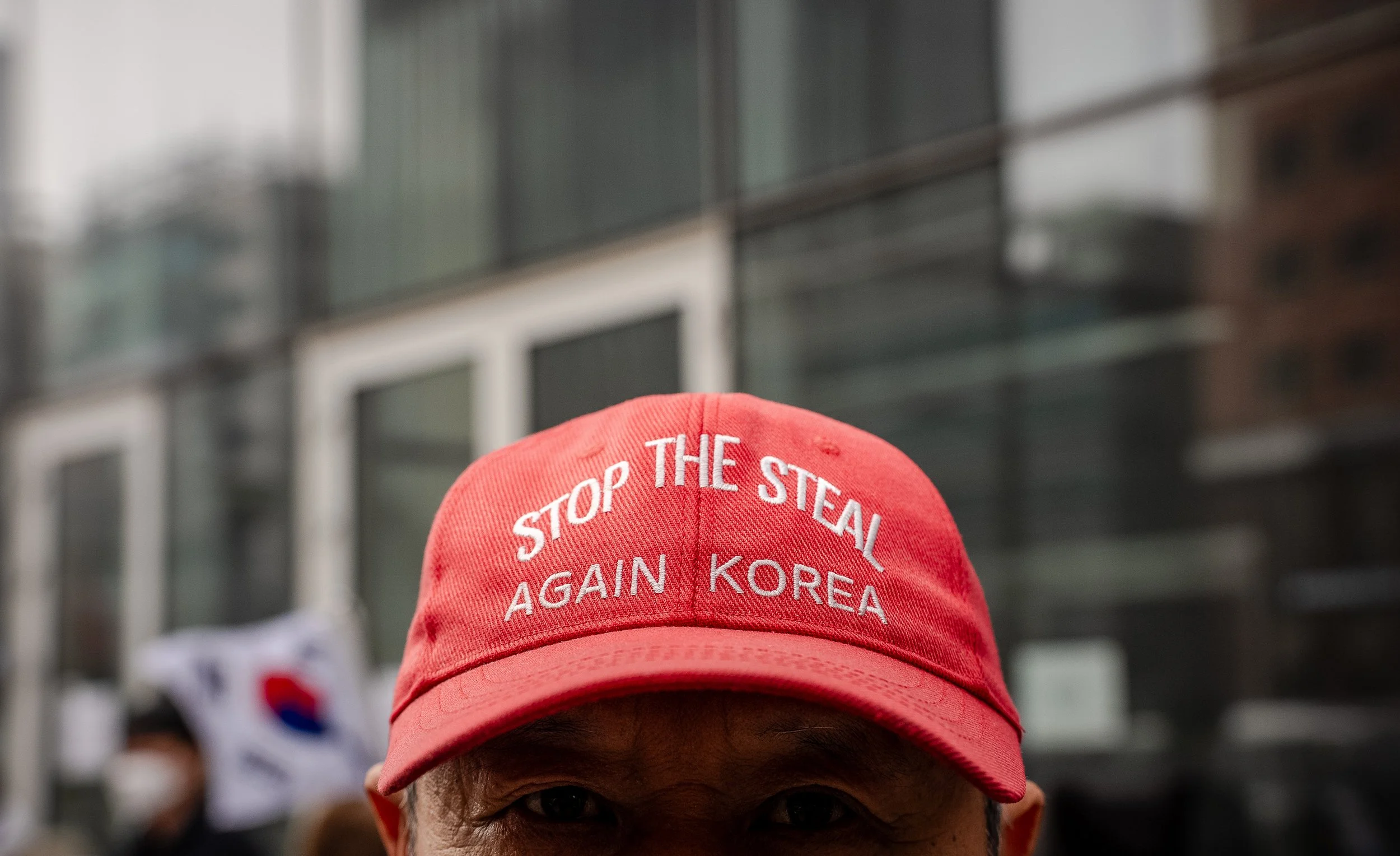
A supporter wears a cap with the words "Stop the steal. Again Korea"
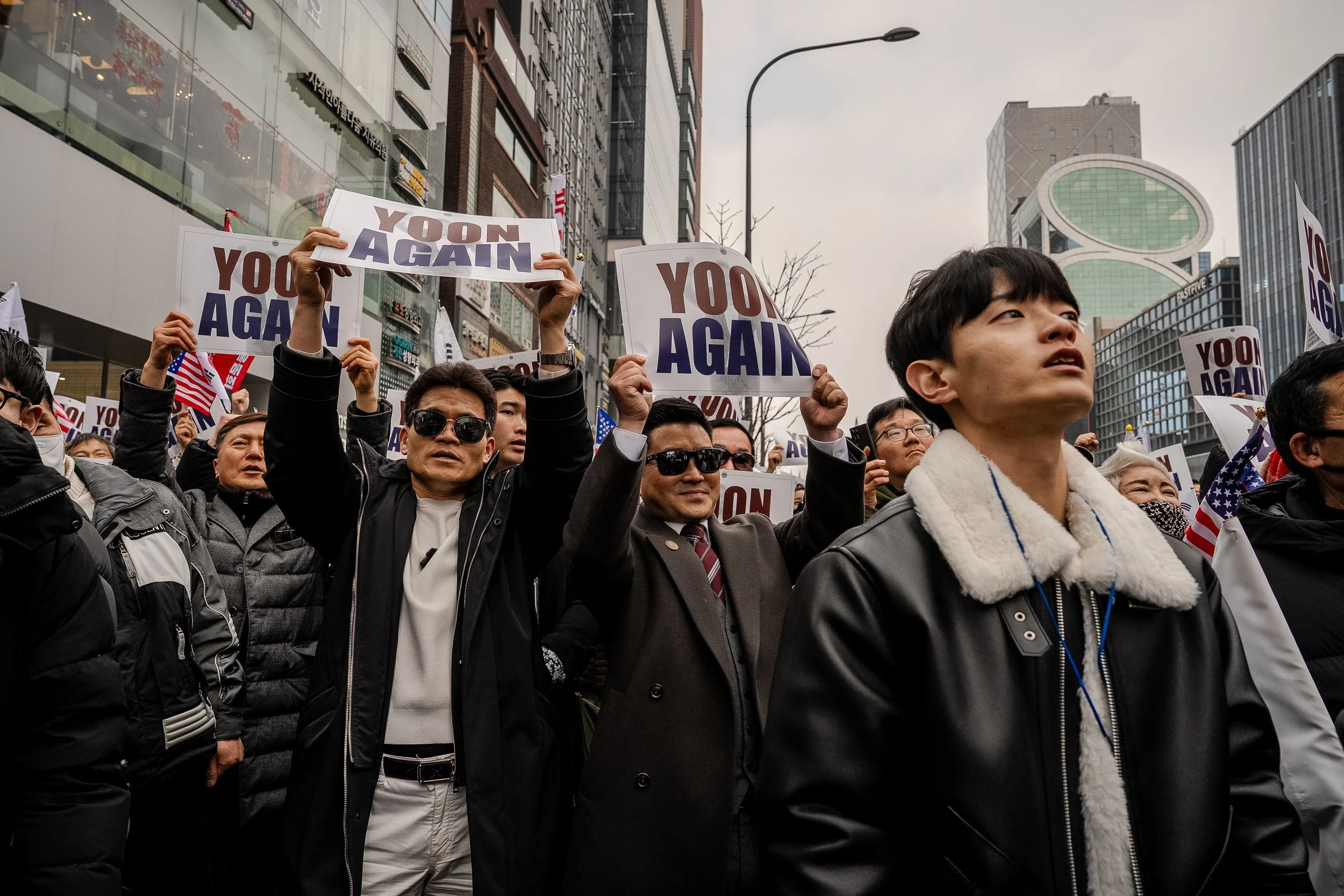
Jeon Han-gil, South Korean history lecturer and far-right political activist, and other right-wing supporters chant and raise placards at a Yoon Again rally.
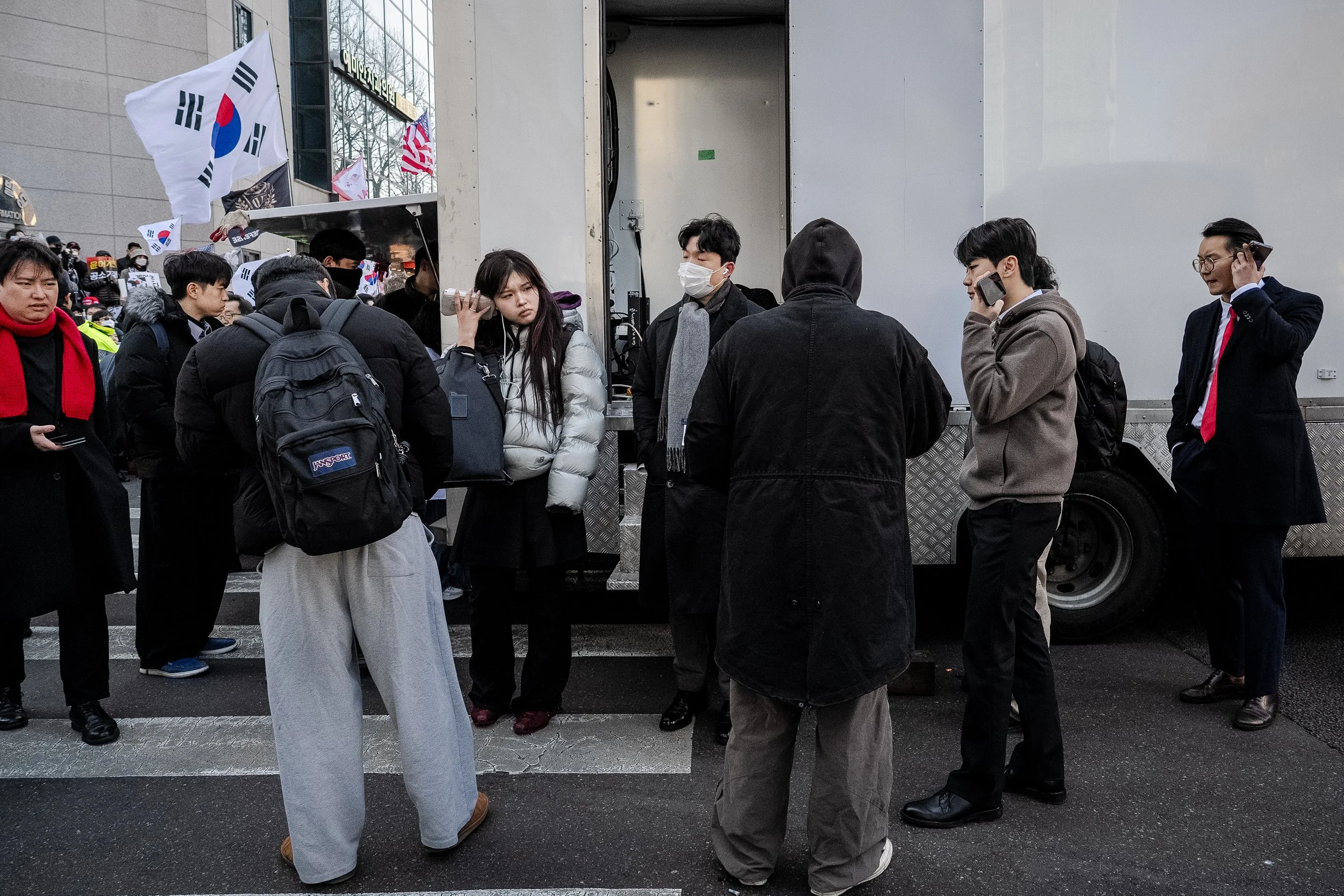
Members of Freedom University listen to a live stream of Yoon Suk Yeol's criminal trial on their mobile phones outside Seoul Central Court.
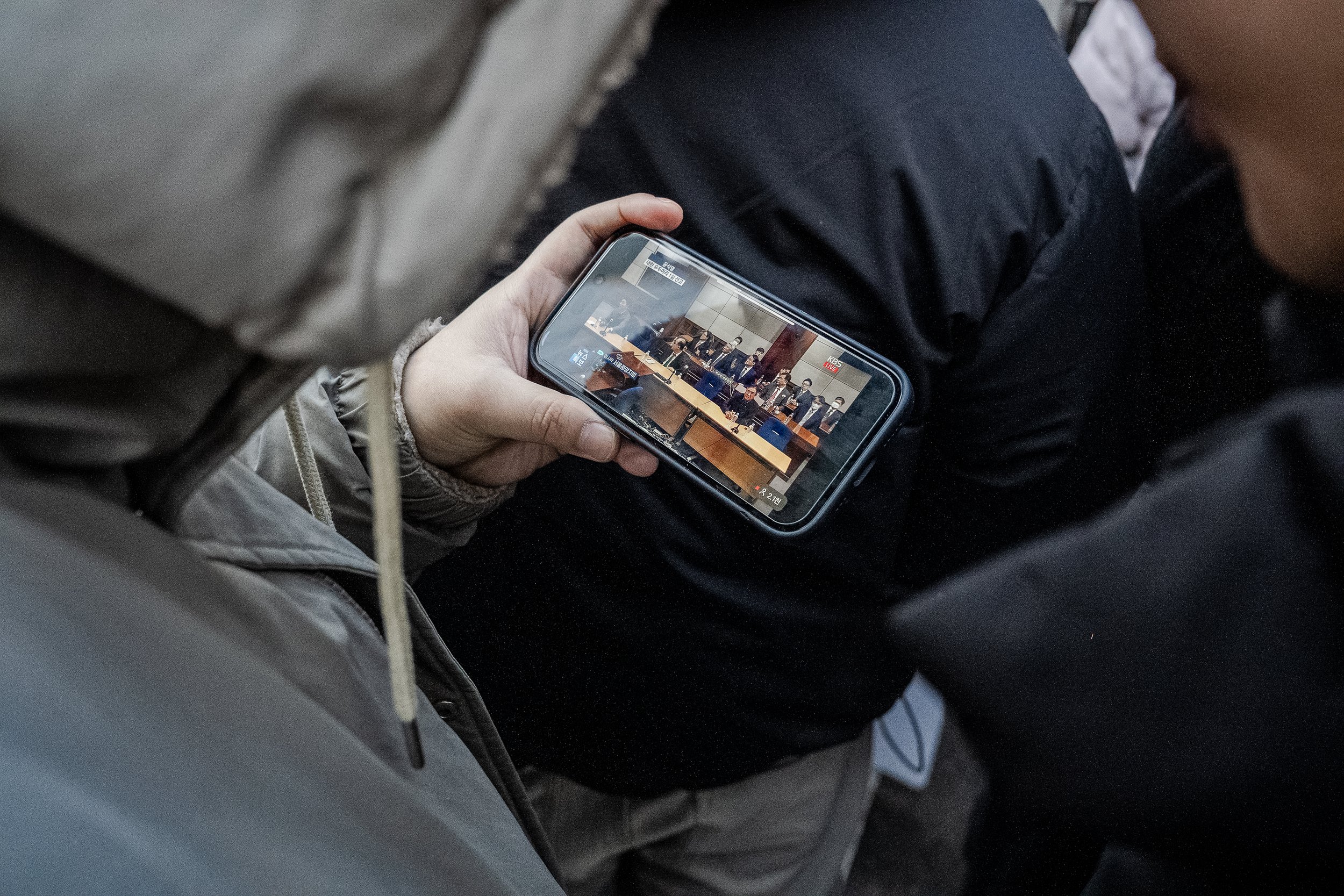
People watching a live stream of Yoon Suk Yeol's criminal trial.
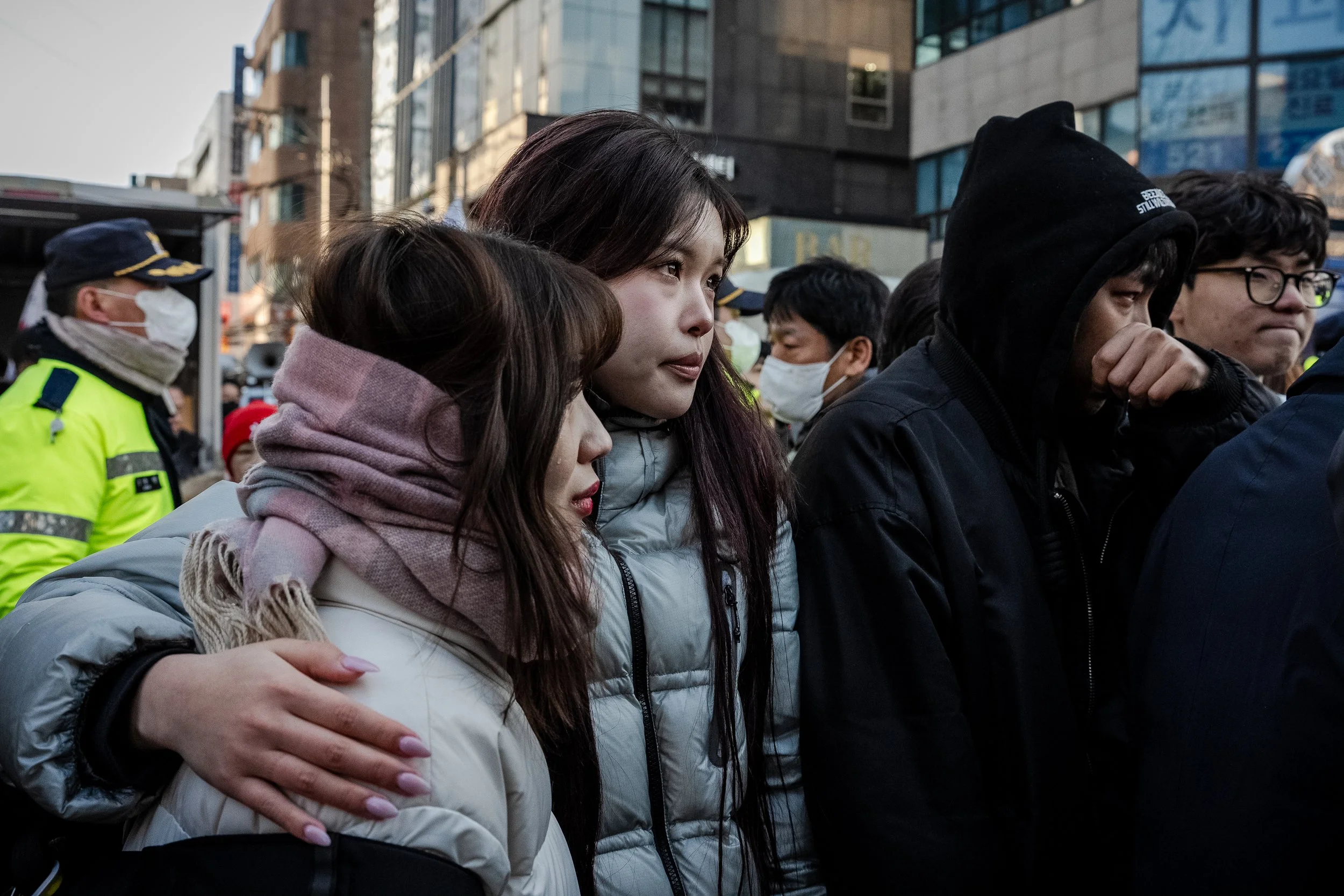
Members of Freedom university react upon hearing the verdict of Yoon Suk Yeol being sentenced to life imprisonment after being found guilty of leading an insurrection during his declaration of martial law in December 2024.
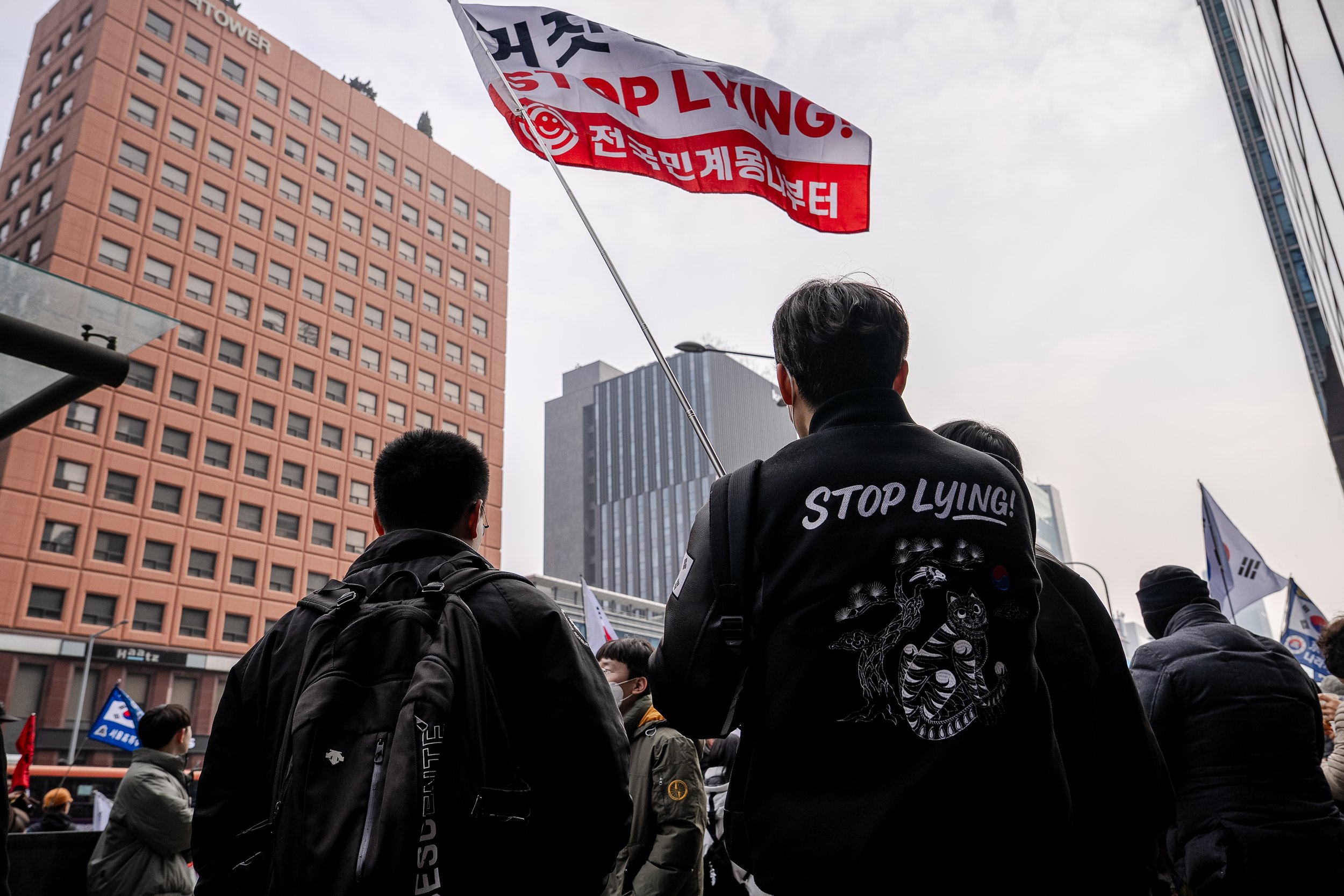
Supporters at a Yoon Again rally in Seoul.
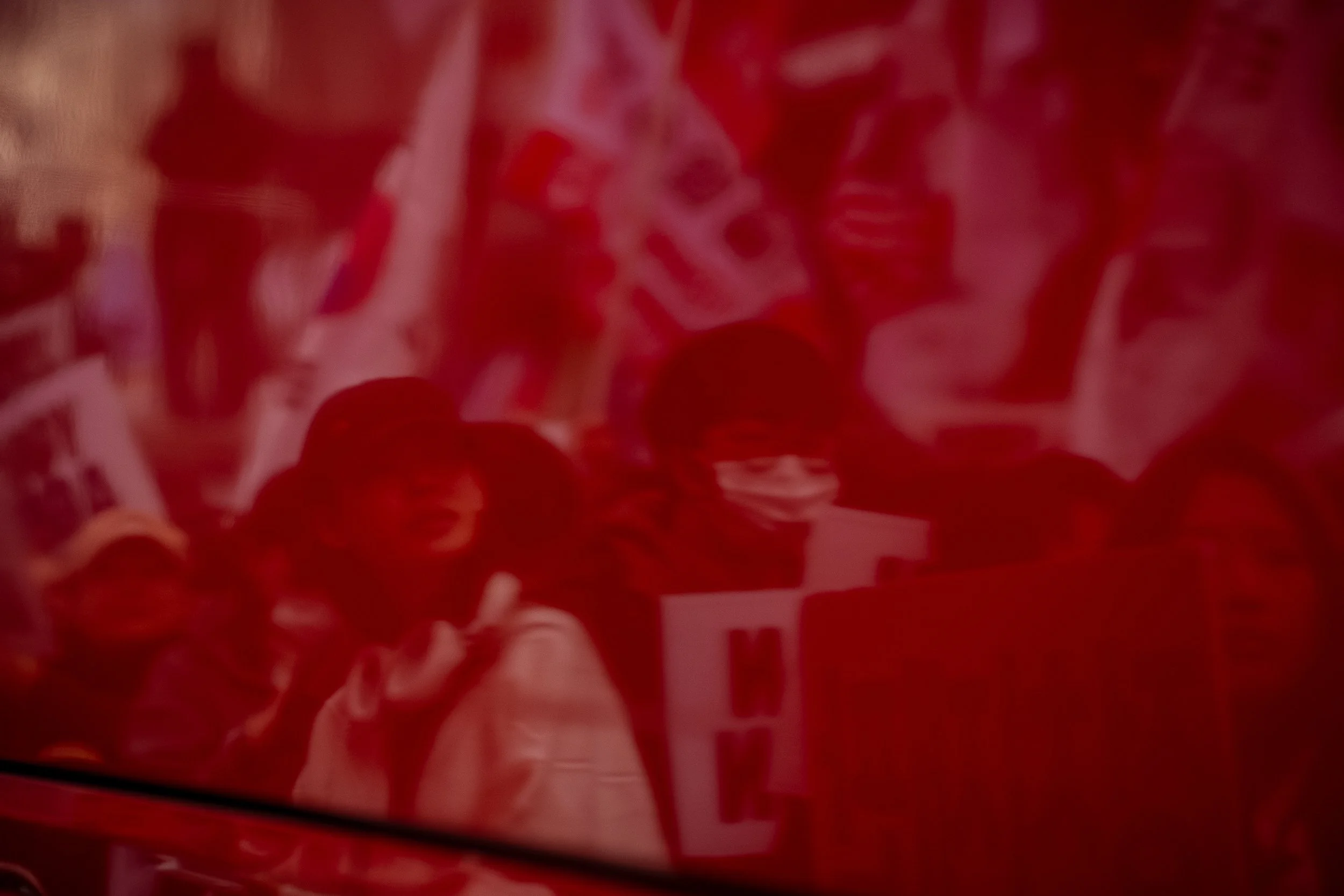
Reflections of Yoon Again supporters on the side of a bus.
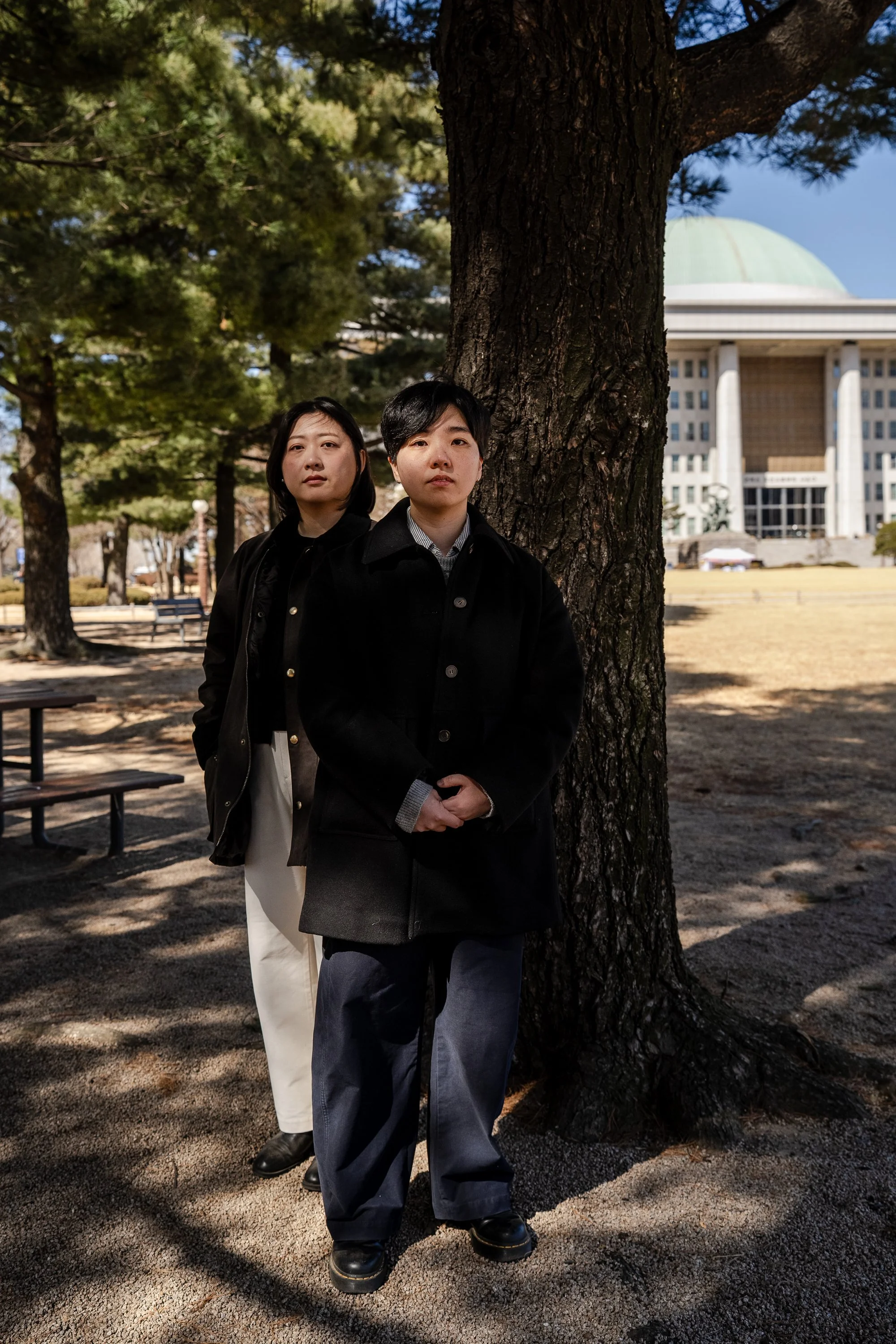
Kim Nayul and Lee Jaejeong in front of the National Assembly.
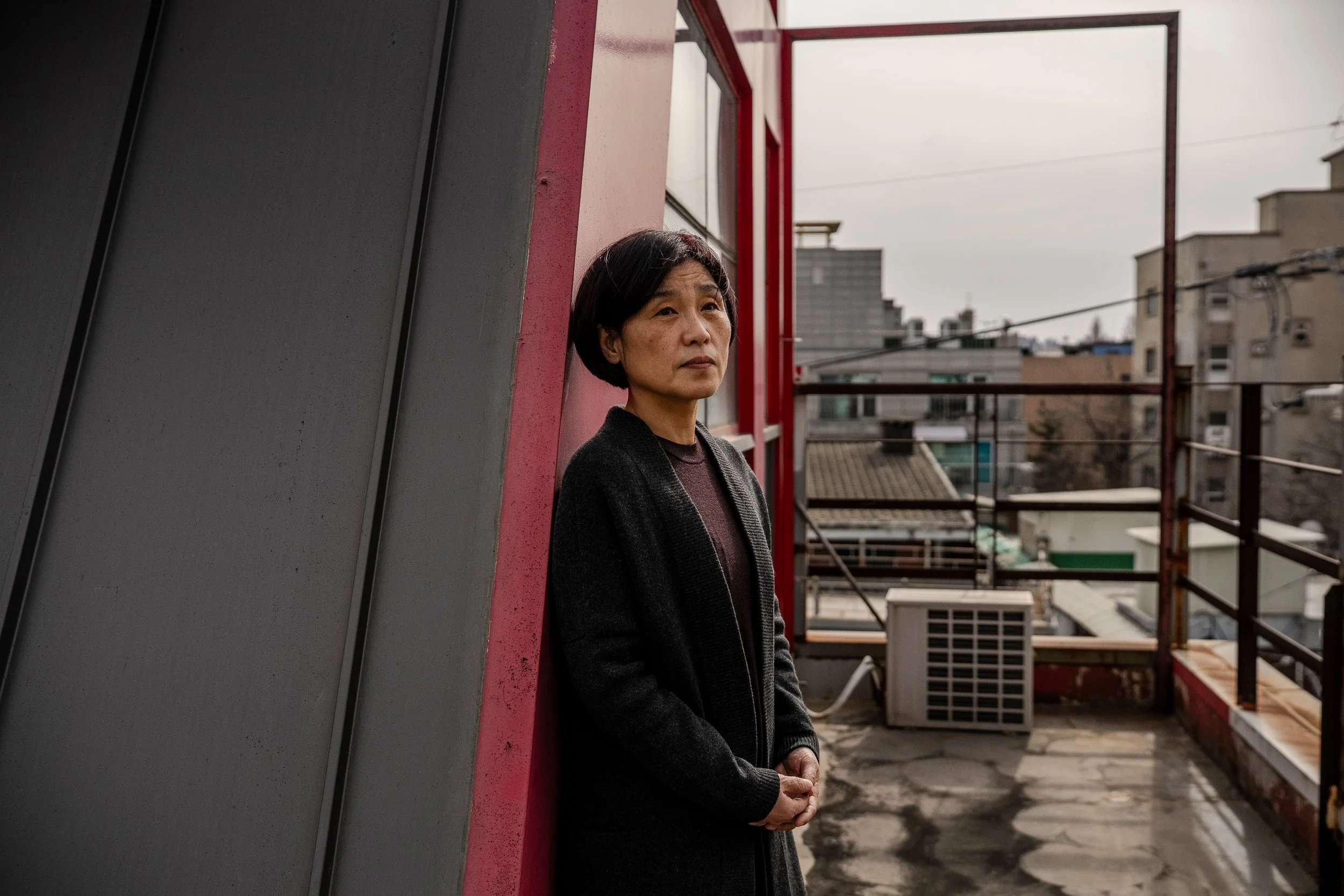
Seo Bok Kyeong, Director of the Possibility Lab, at her office in Seoul.
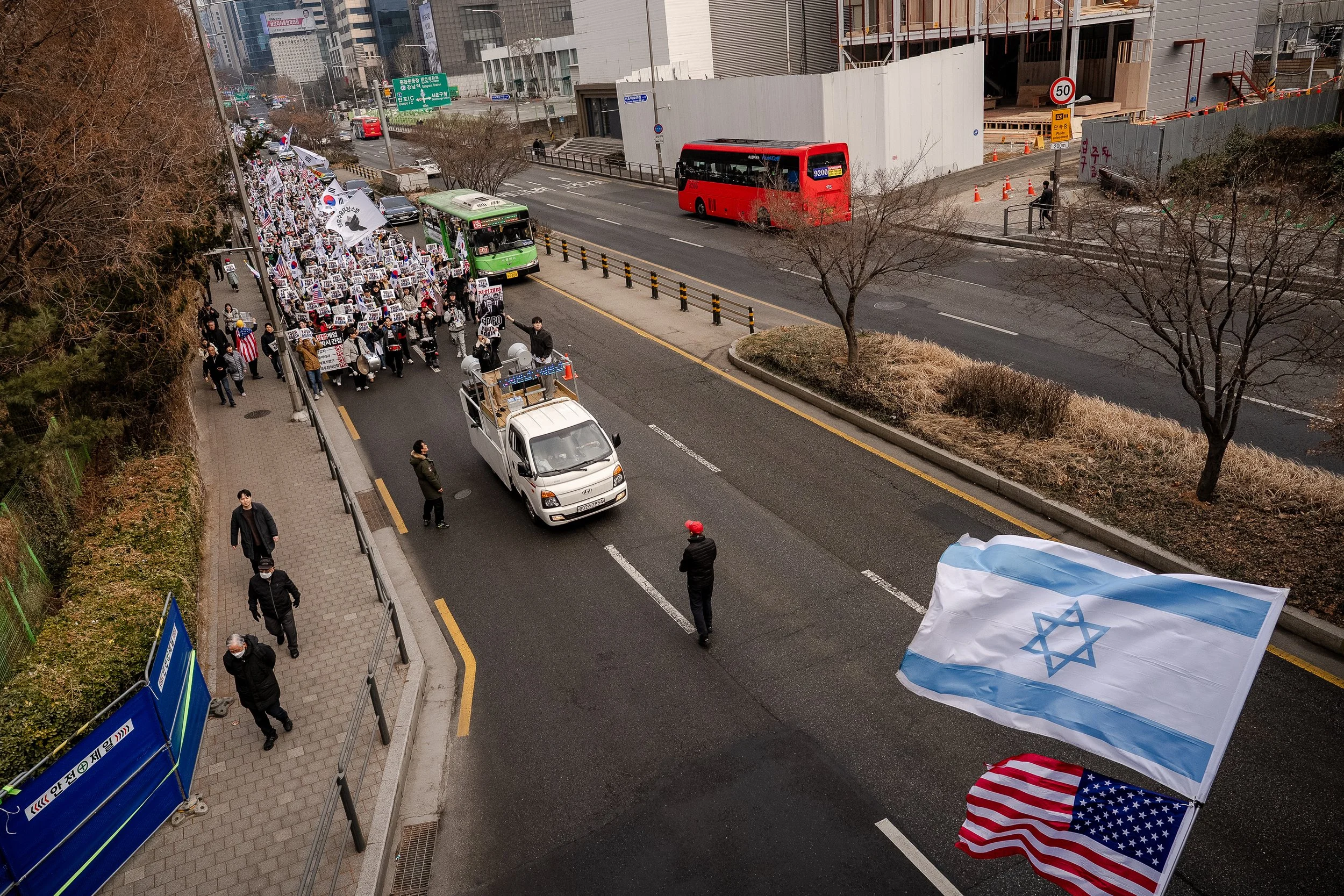
Yoon Again rally supporters march the streets in Seoul.
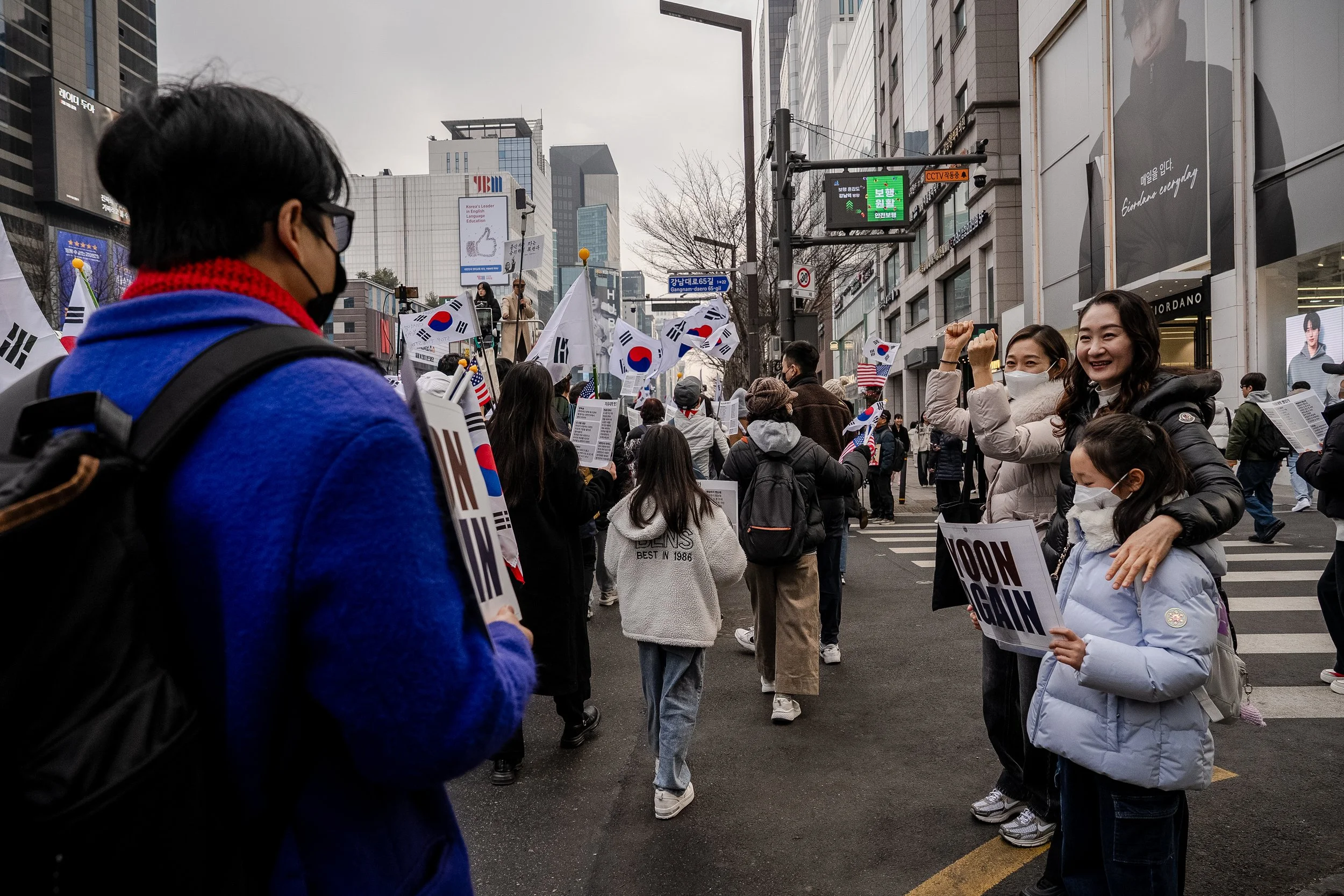
Supporters show up with their children at the Yoon Again rally.
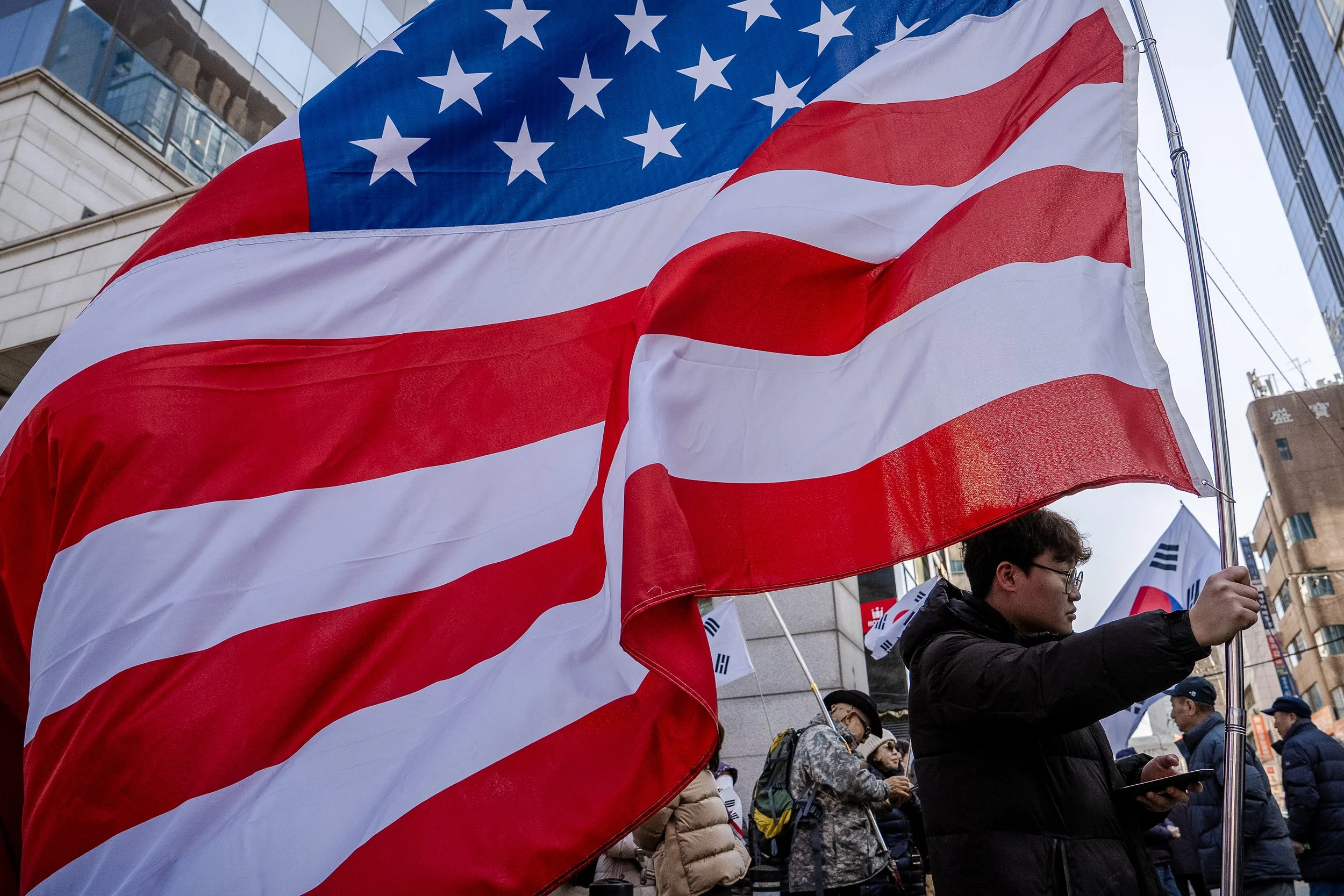
A supporter waves the US flag at the rally.
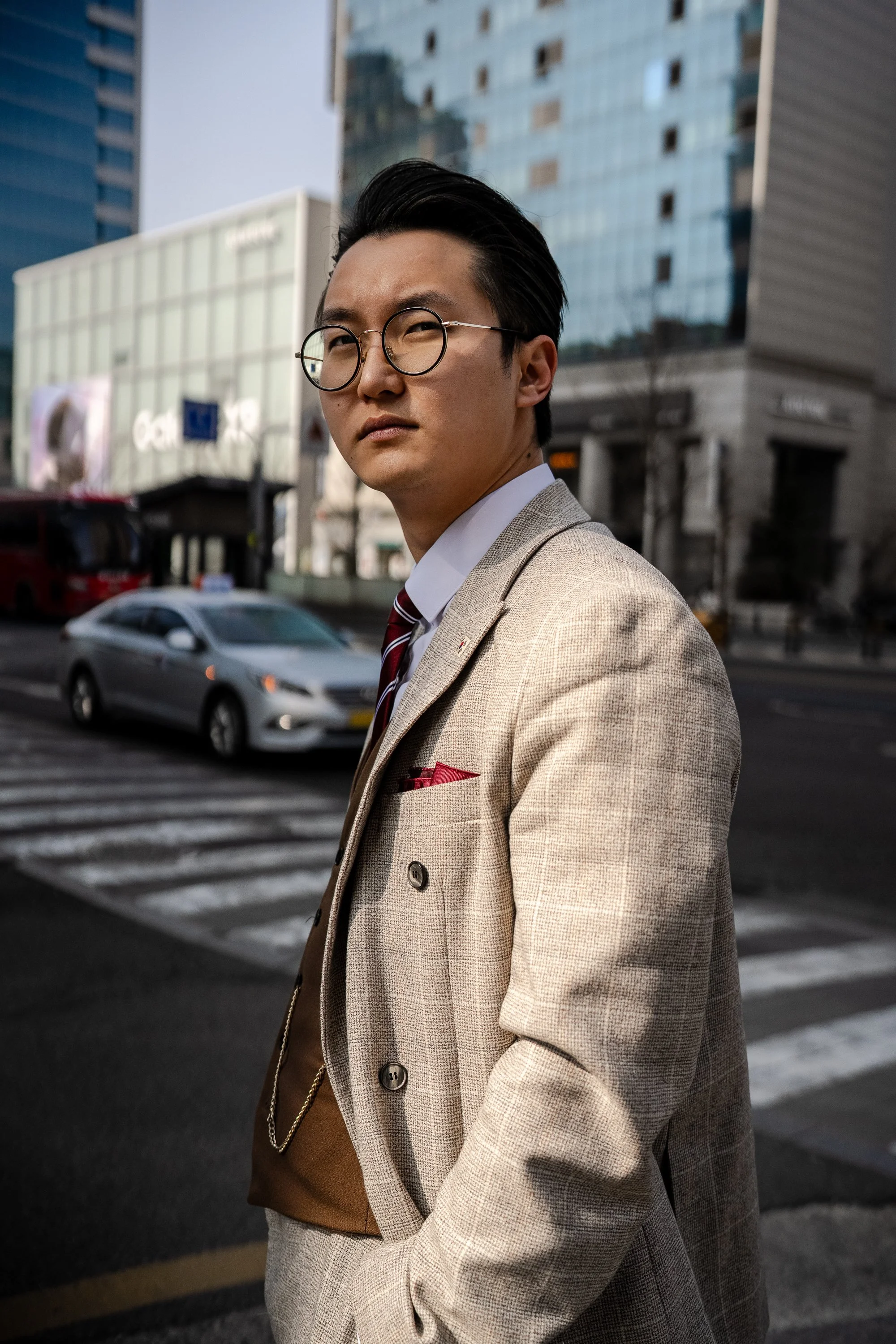
Sim Jae Hong, Spokesperson of Freedom University.
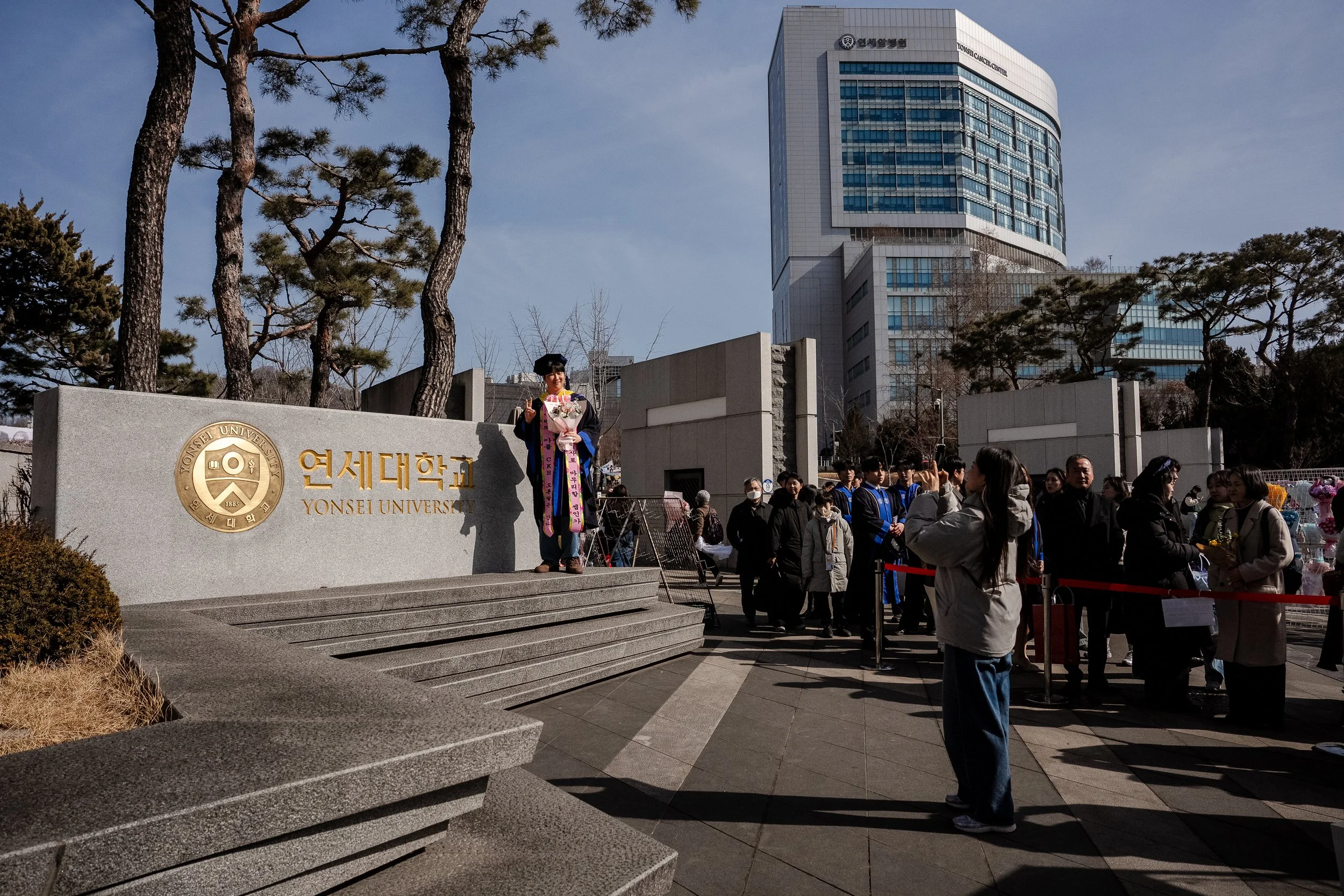
Students pose for graduation photos at Yonsei University.
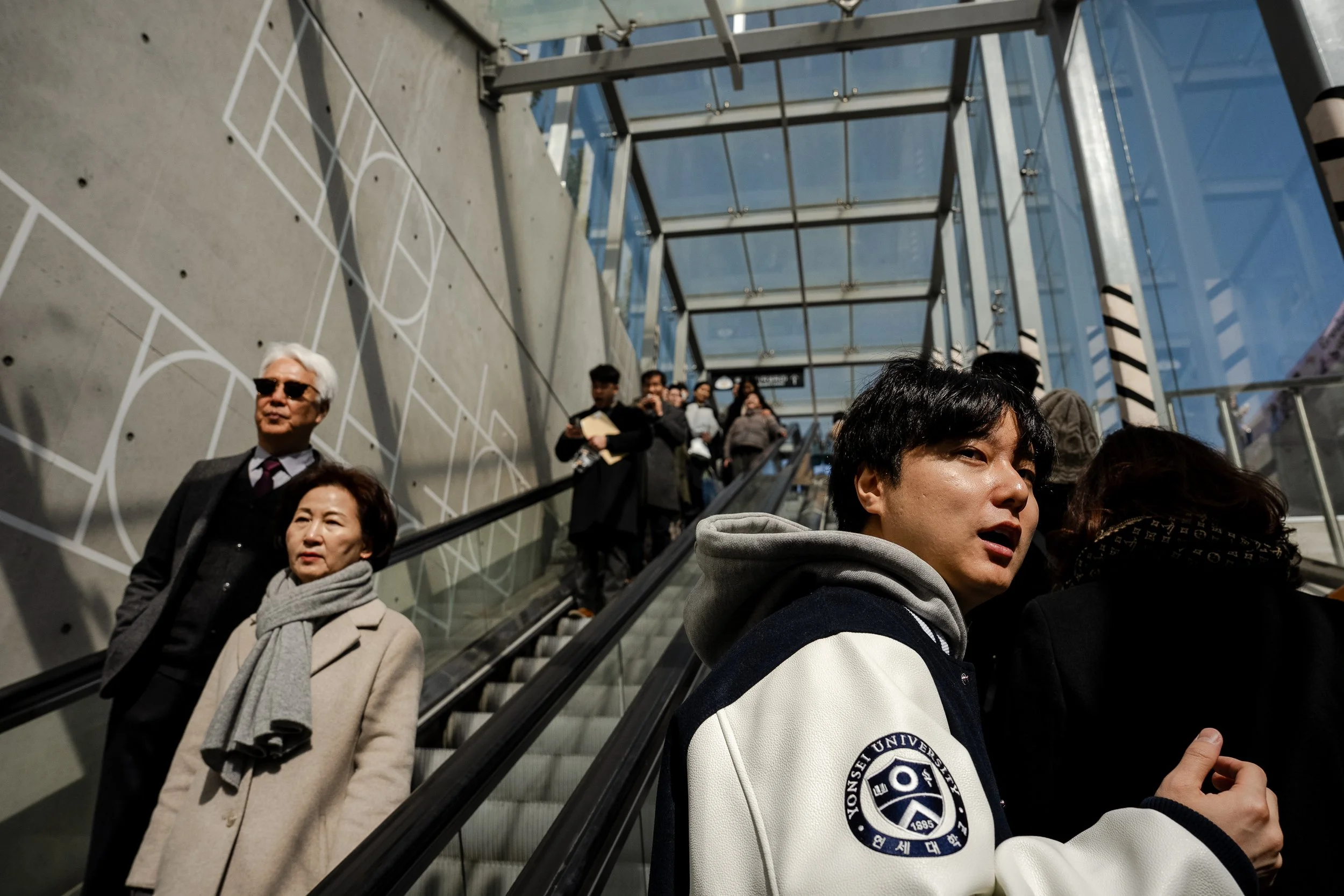
Park Joon Young at Yonsei University.
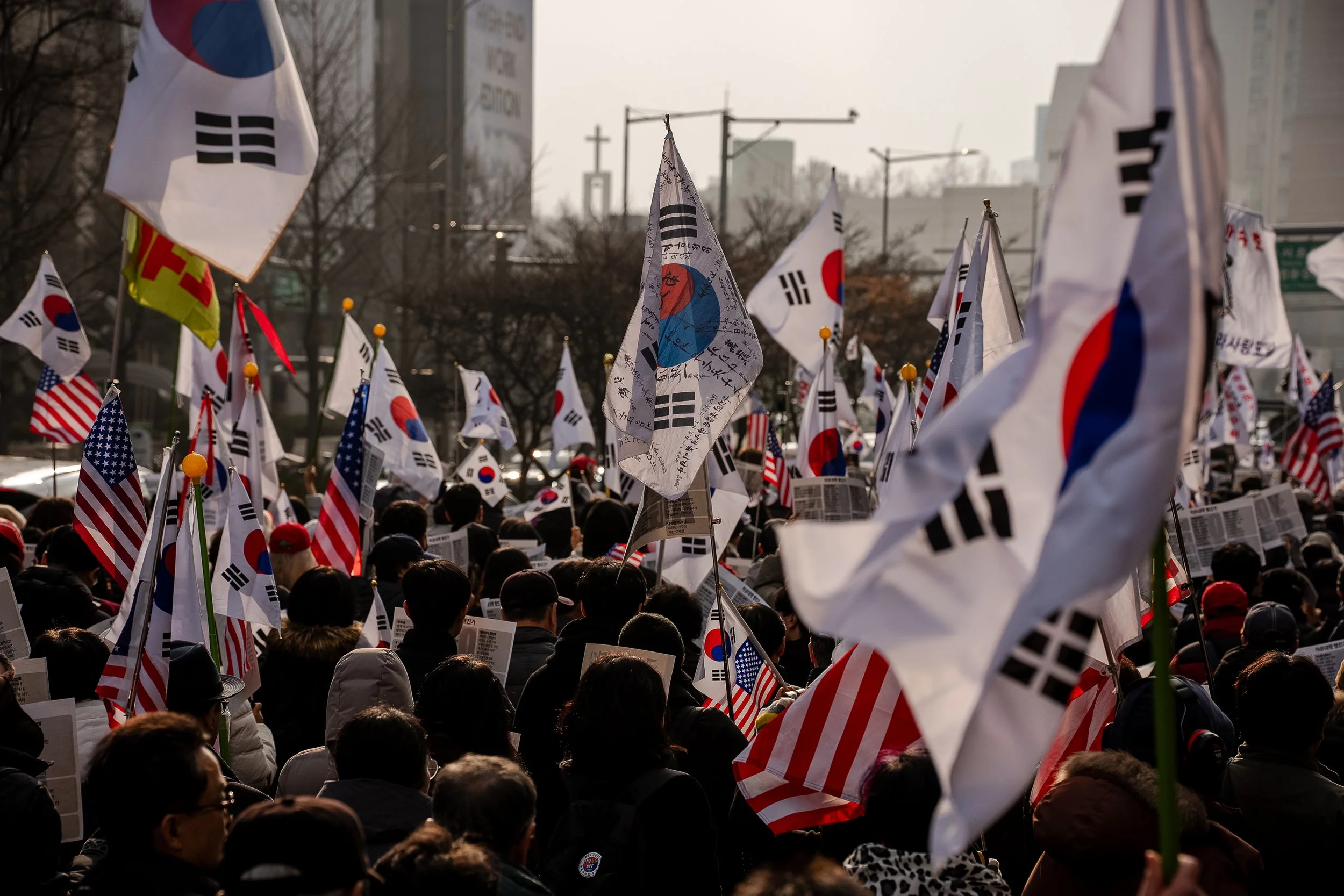
Yoon Again rally in Seoul.
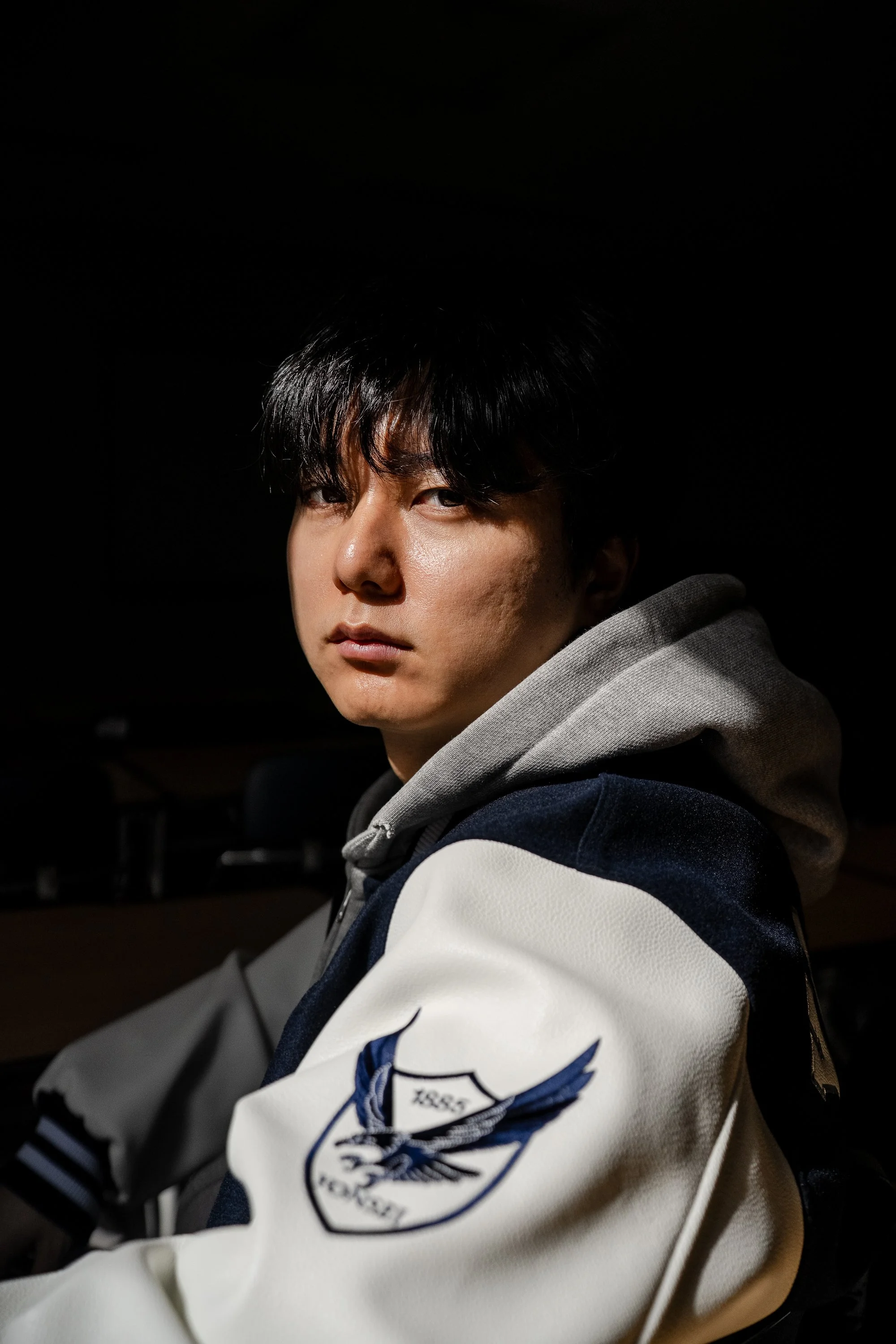
Park Joon Young, Representative of Freedom University,
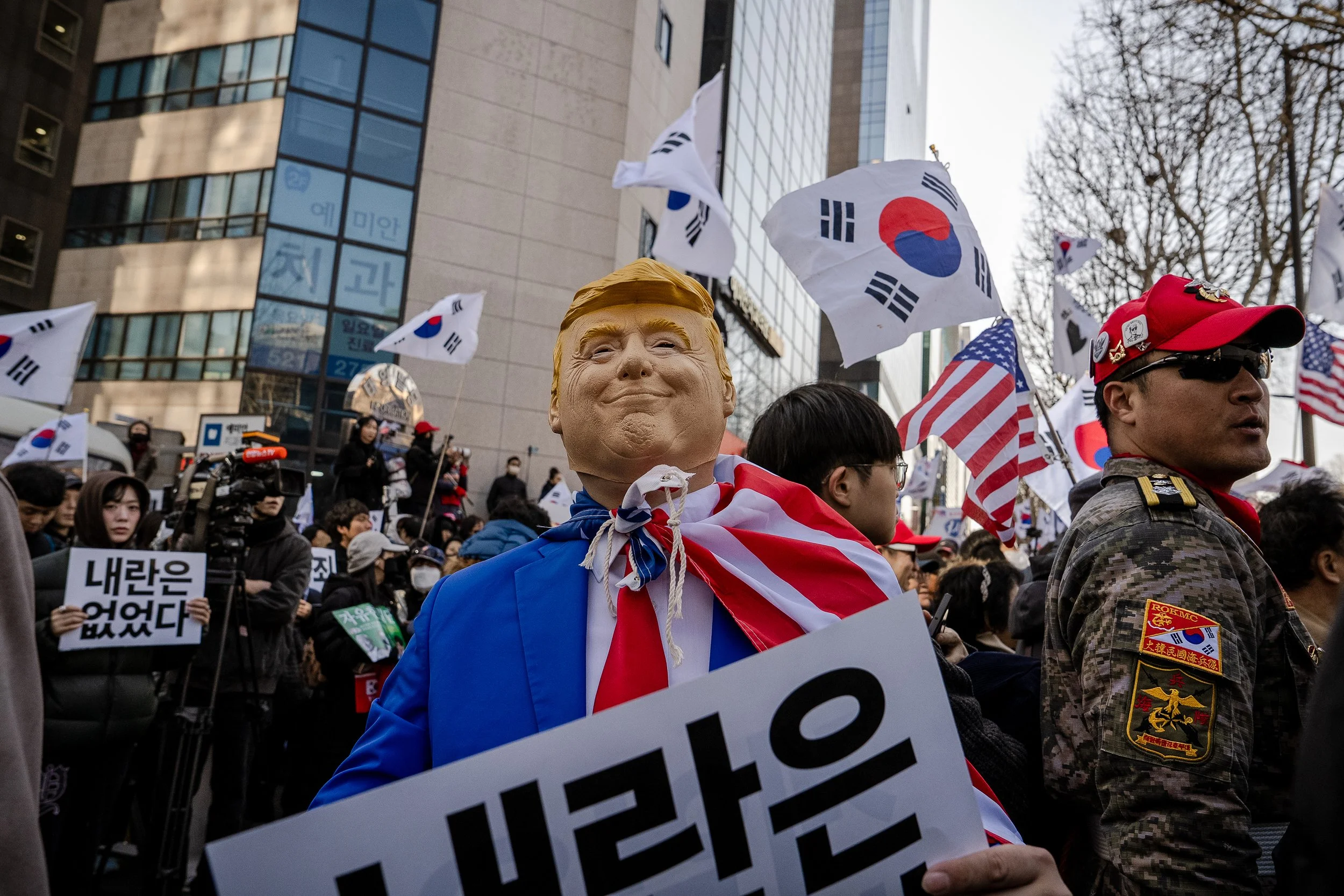
A right-wing supporter wearing a Donald Trump costume at a rally to support former South Korean president Yoon Suk Yeol during his criminal trial.
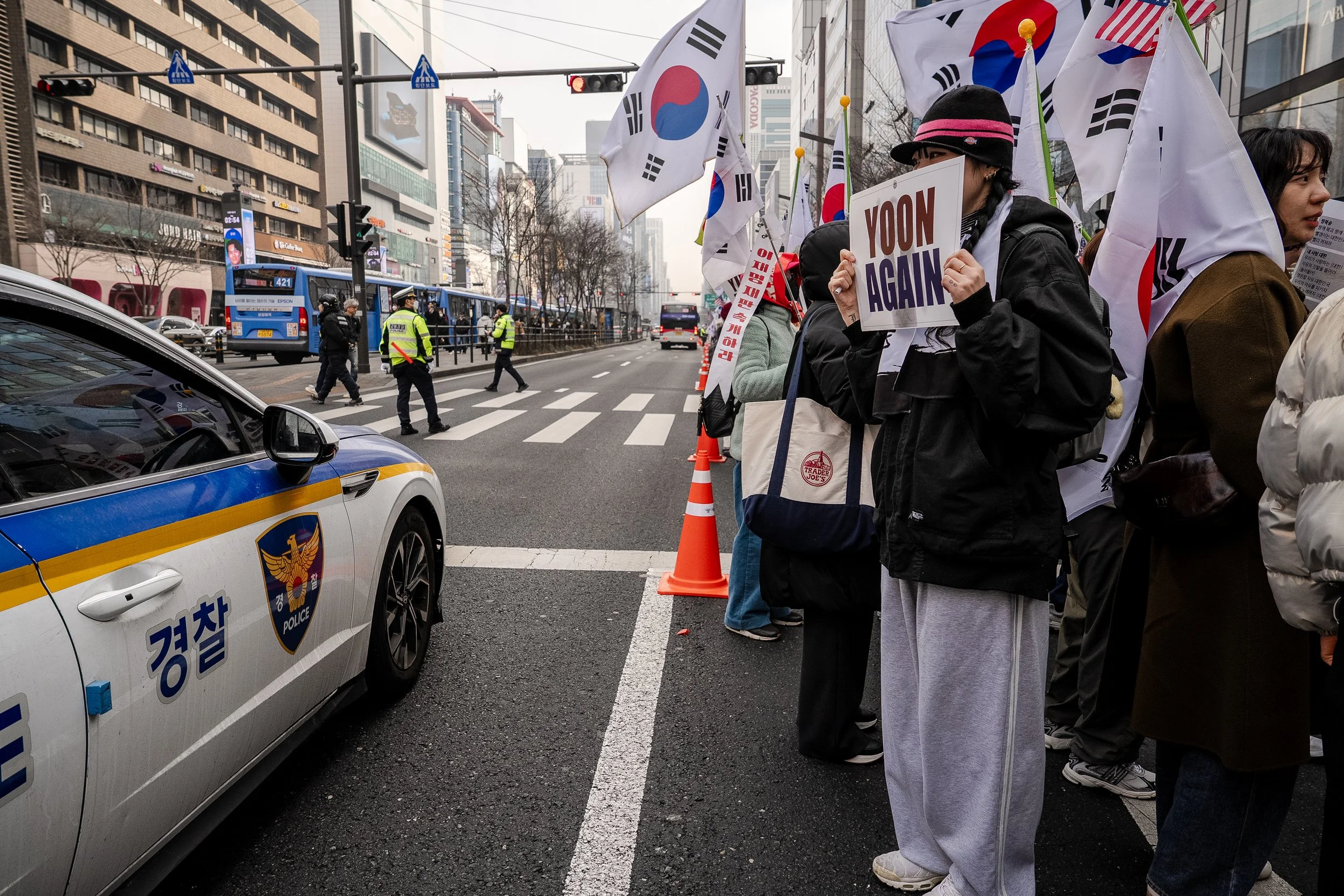
A police car passes by a Yoon Again rally.
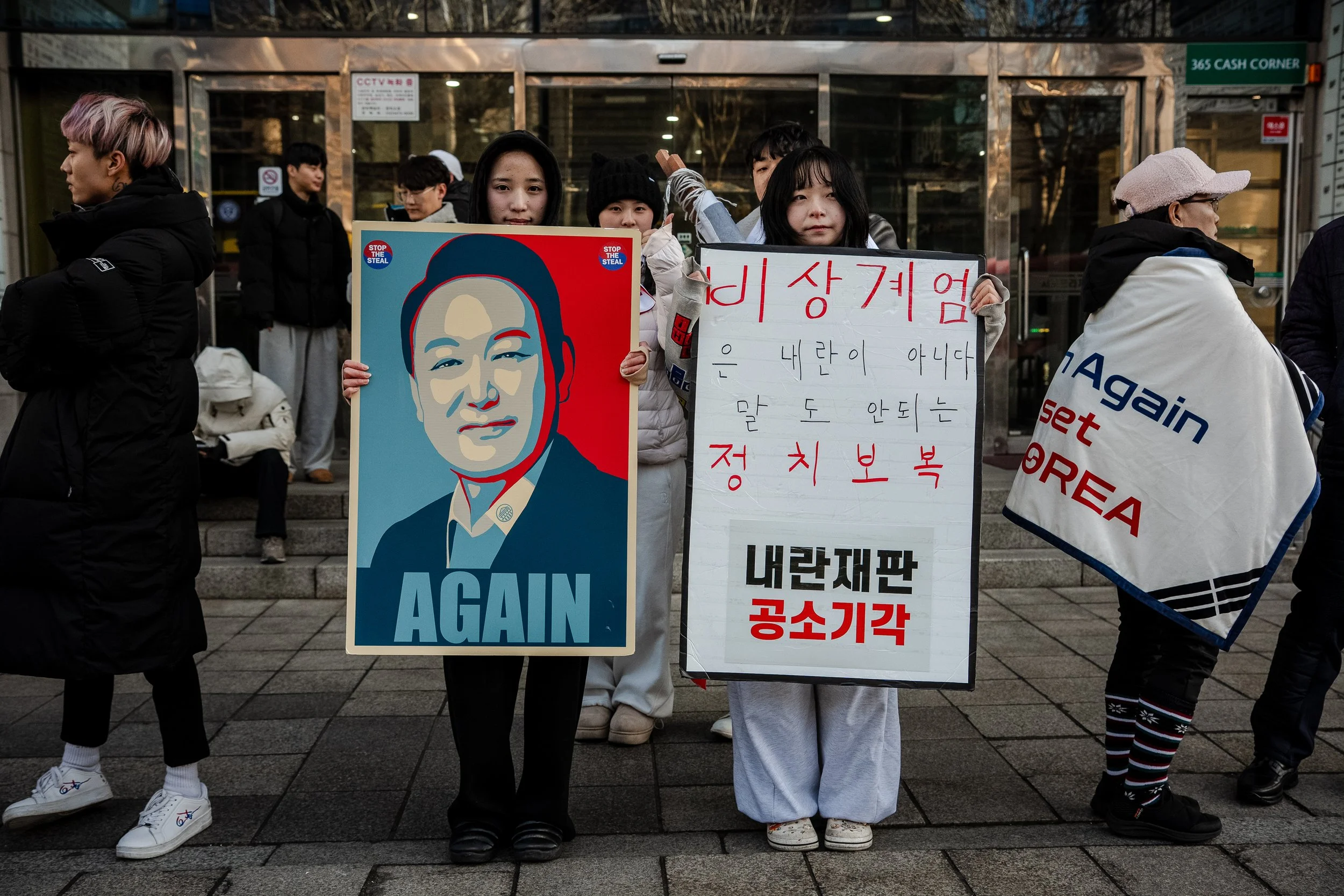
Supporters of Yoon Suk Yeol, former president of South Korea.
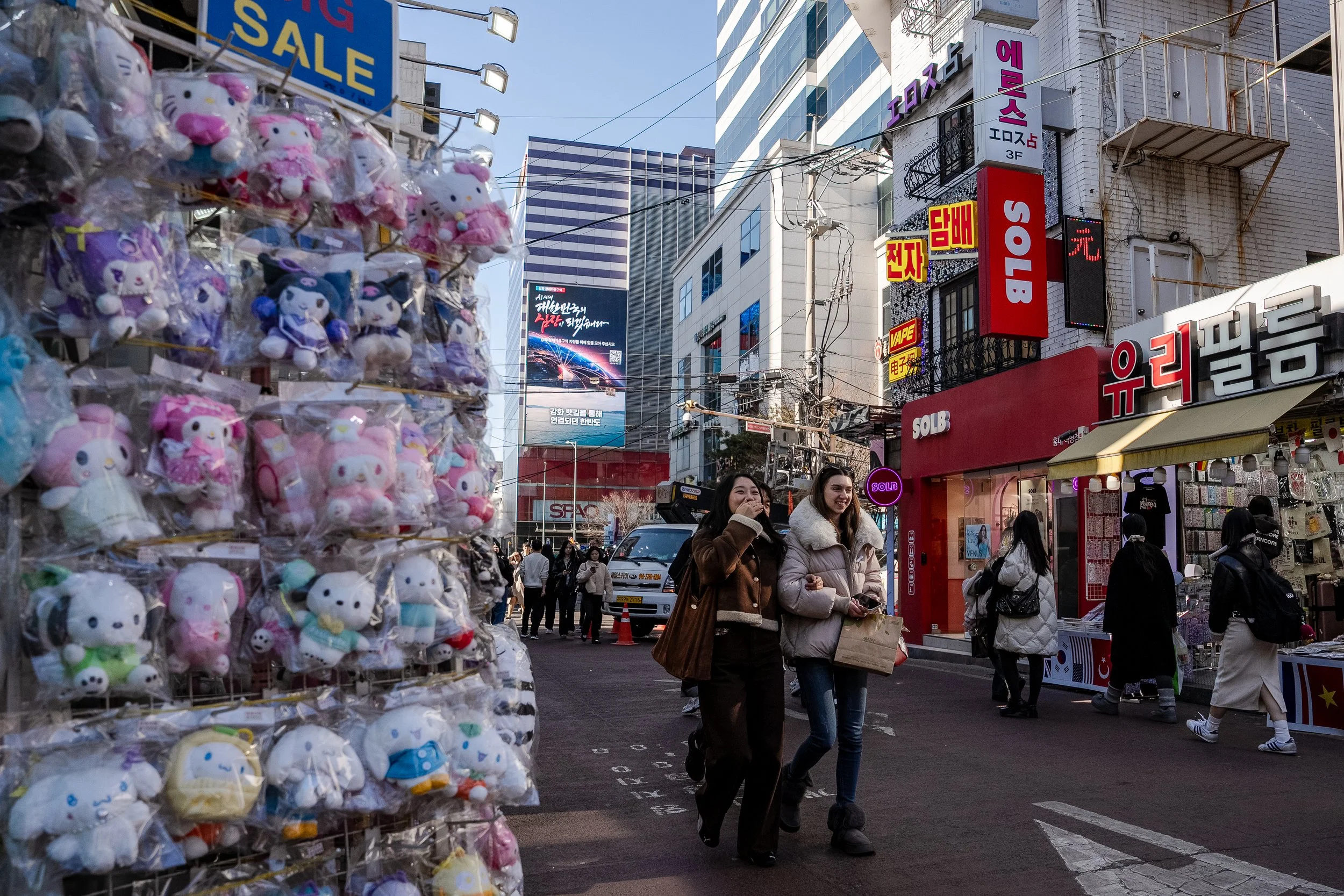
Hongdae is a young neighborhood in Seoul, with a bustling nightlife and shopping scene.