Ein Prozent Familie (One percent family)
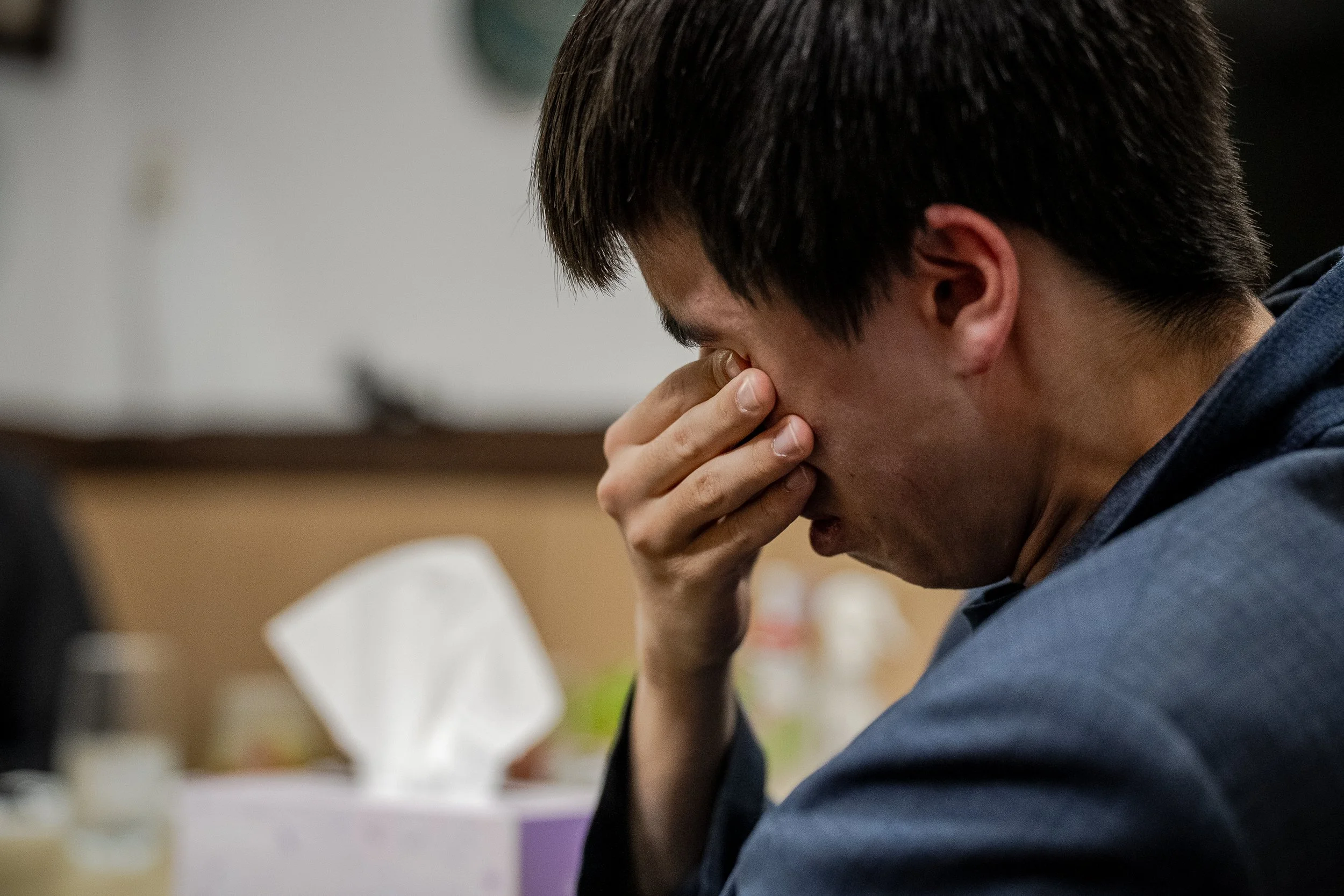
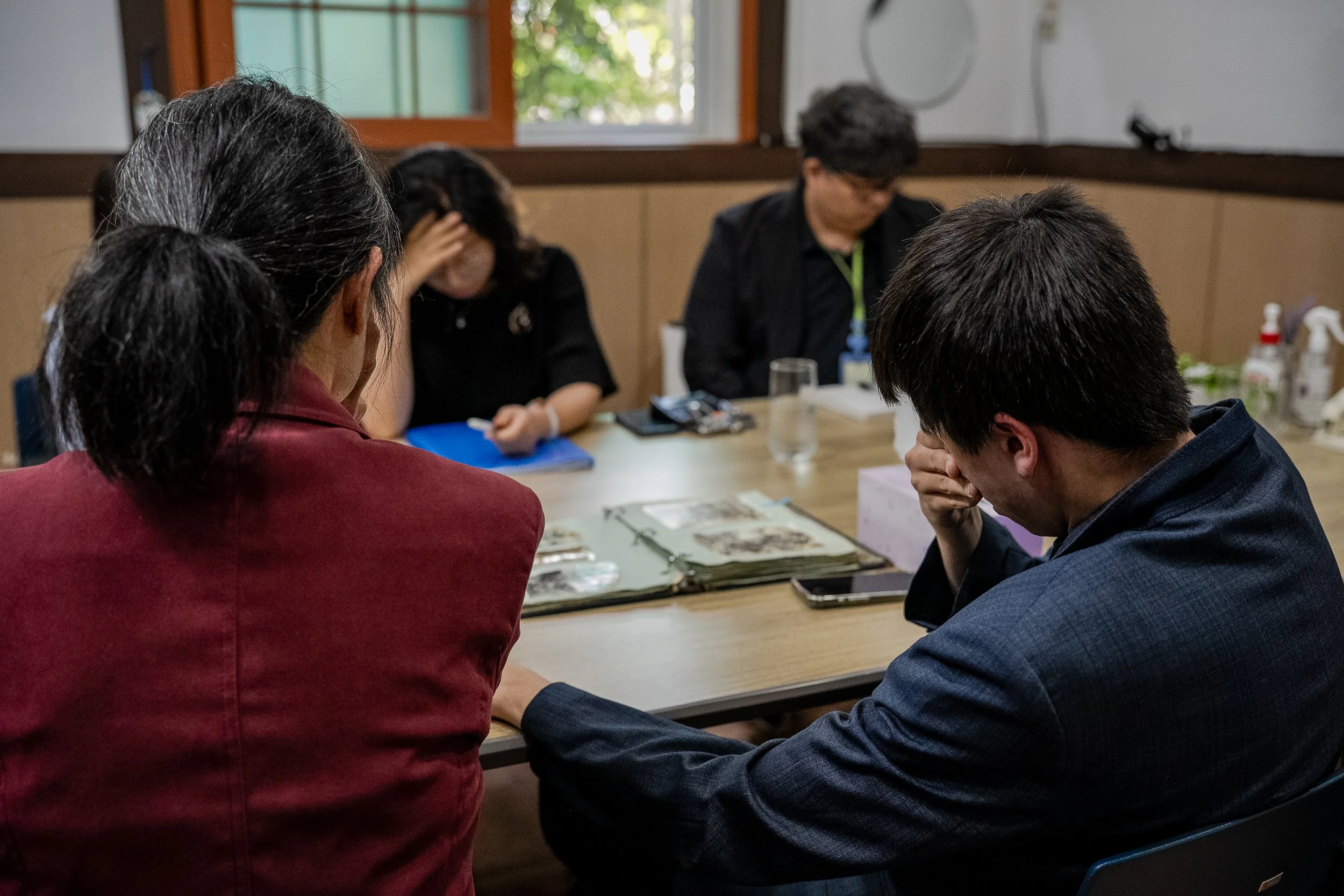
No one says anything when the teenager, sitting at the large table in a suit, begins to cry. He had tried for a long time to hold back the tears; it was evident in his strained face, his pursed lips, his hands nervously wiping his eyes.
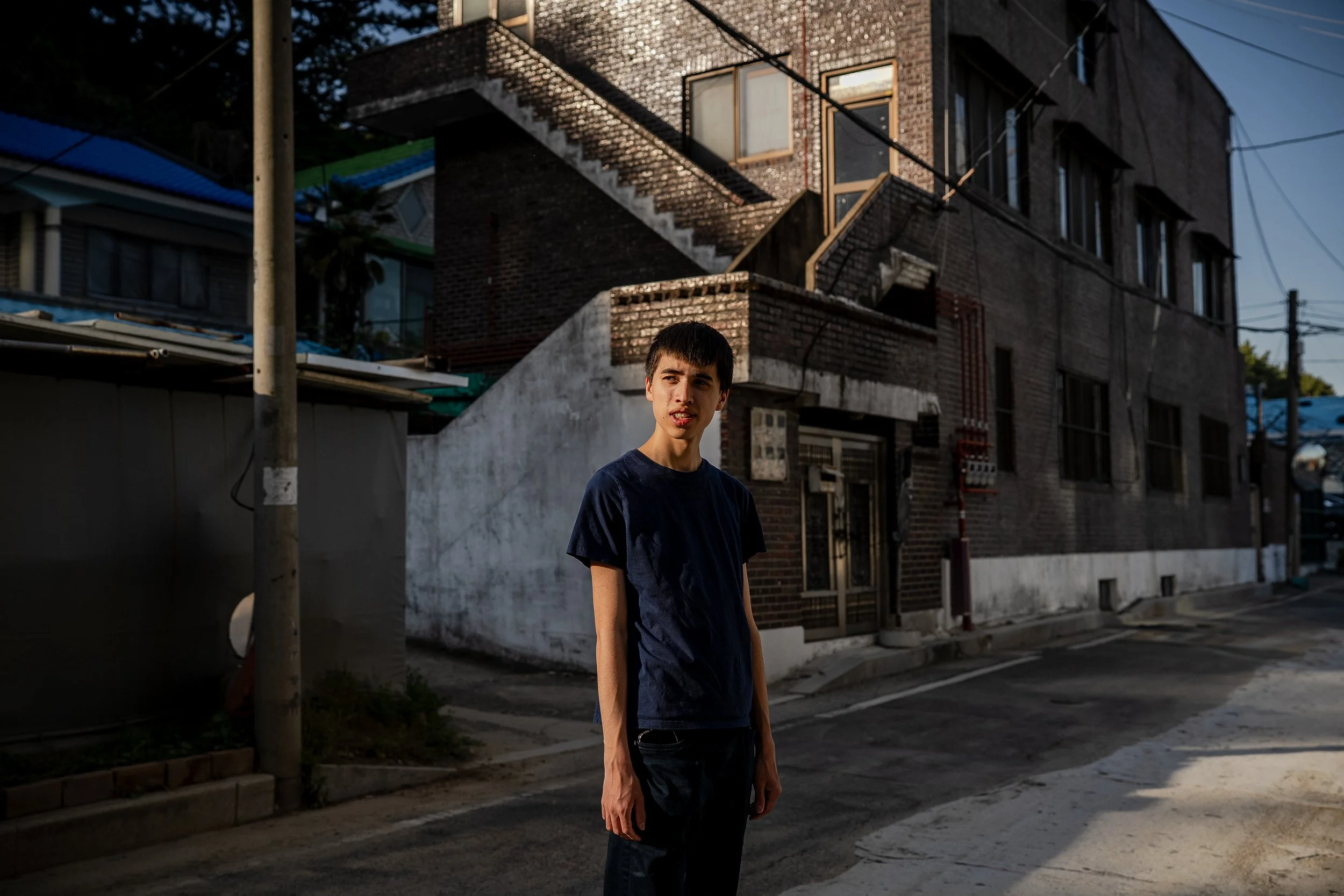
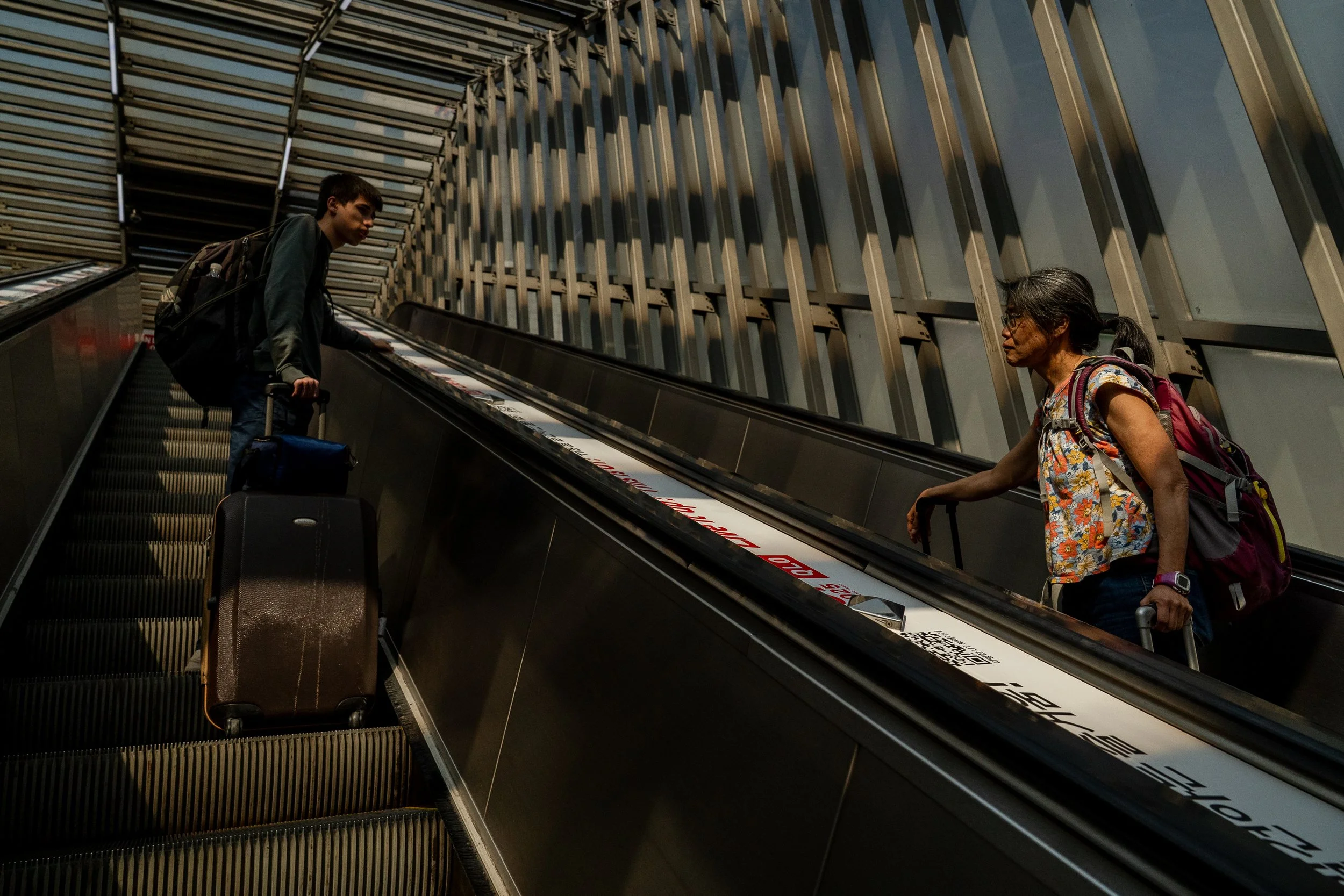
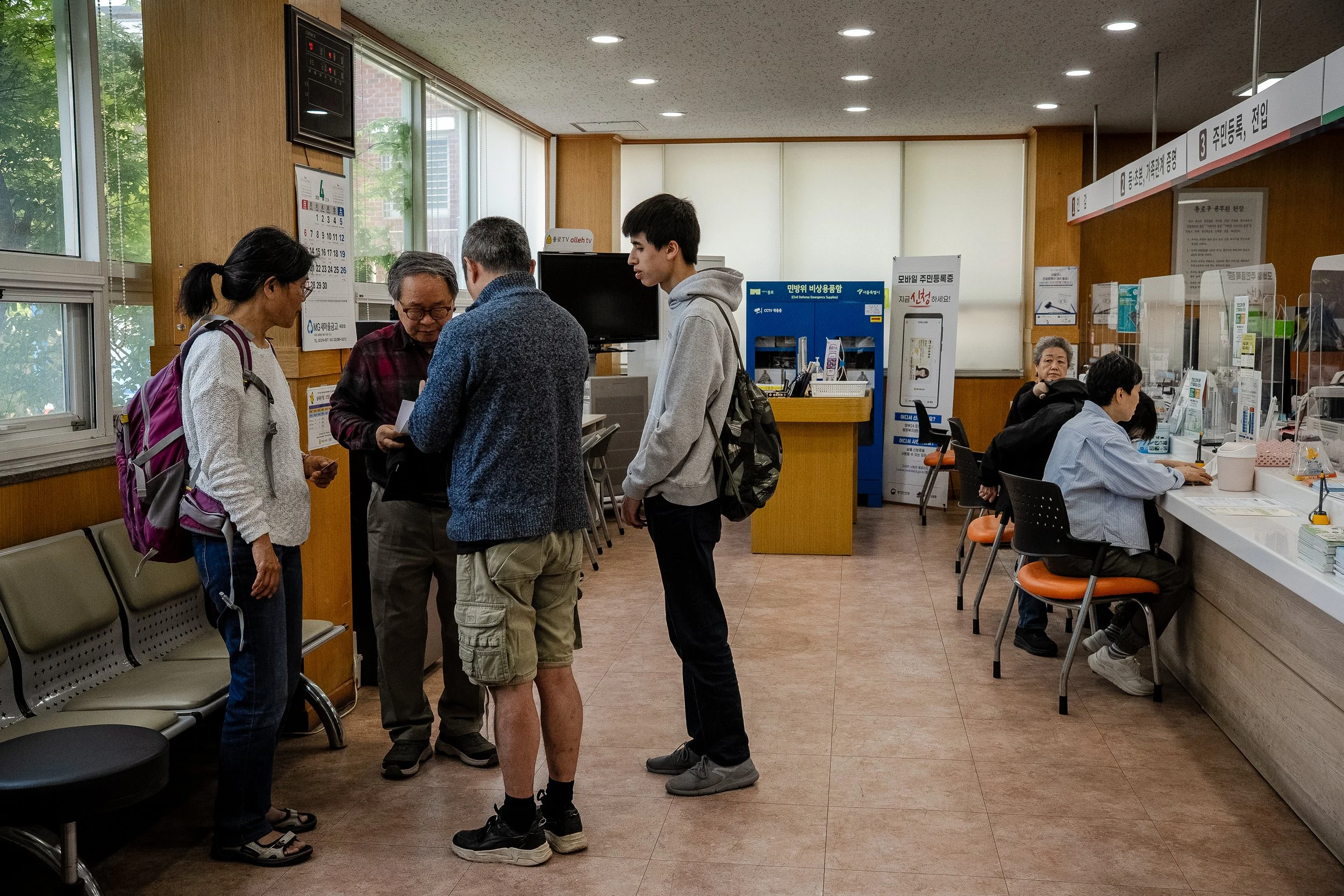
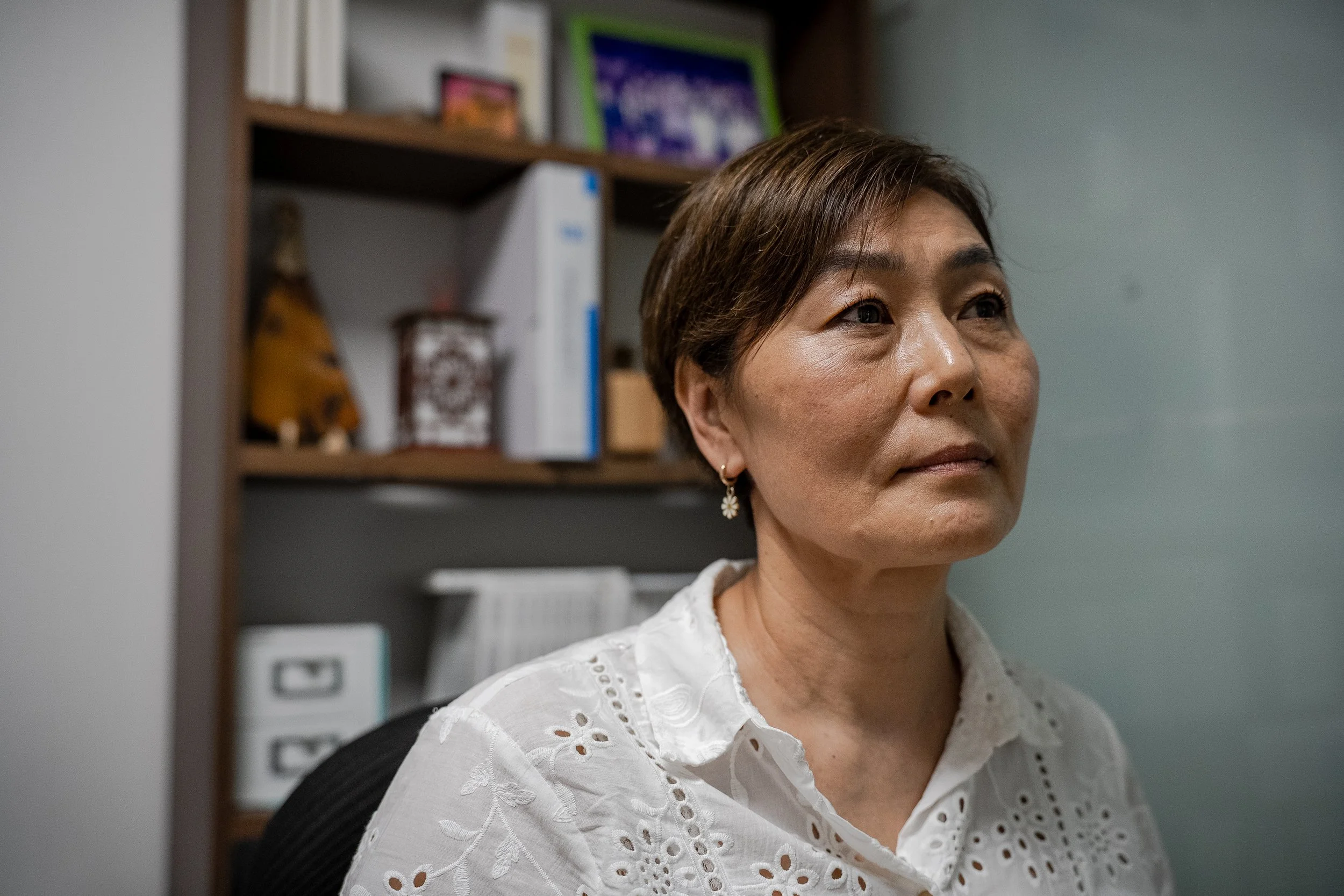
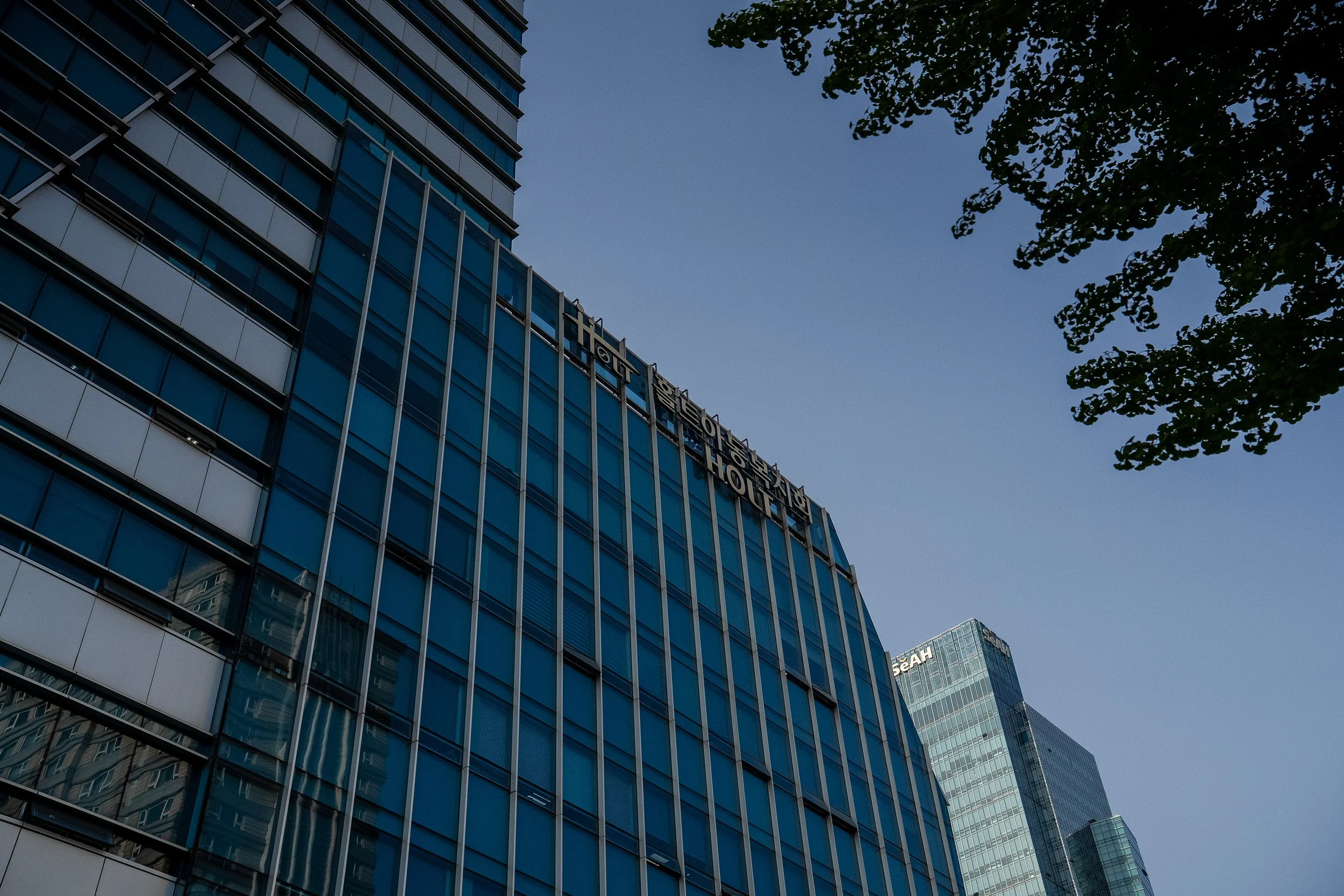
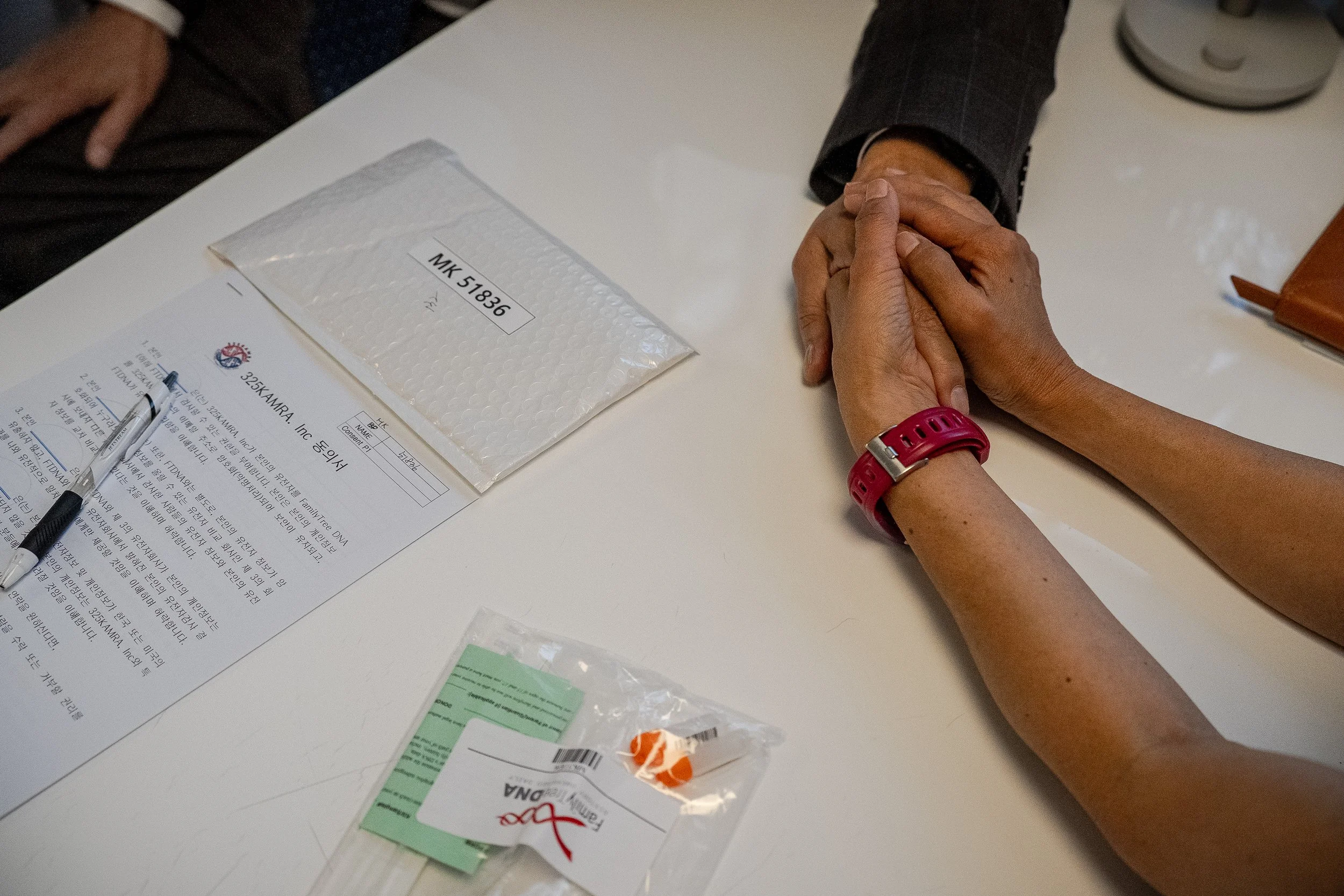
Joschua Wyrsch is 17 years old and sits in a stuffy office, far from home, in April 2025. His mother, Ilona, is beside him. In front of them are employees of a former orphanage.
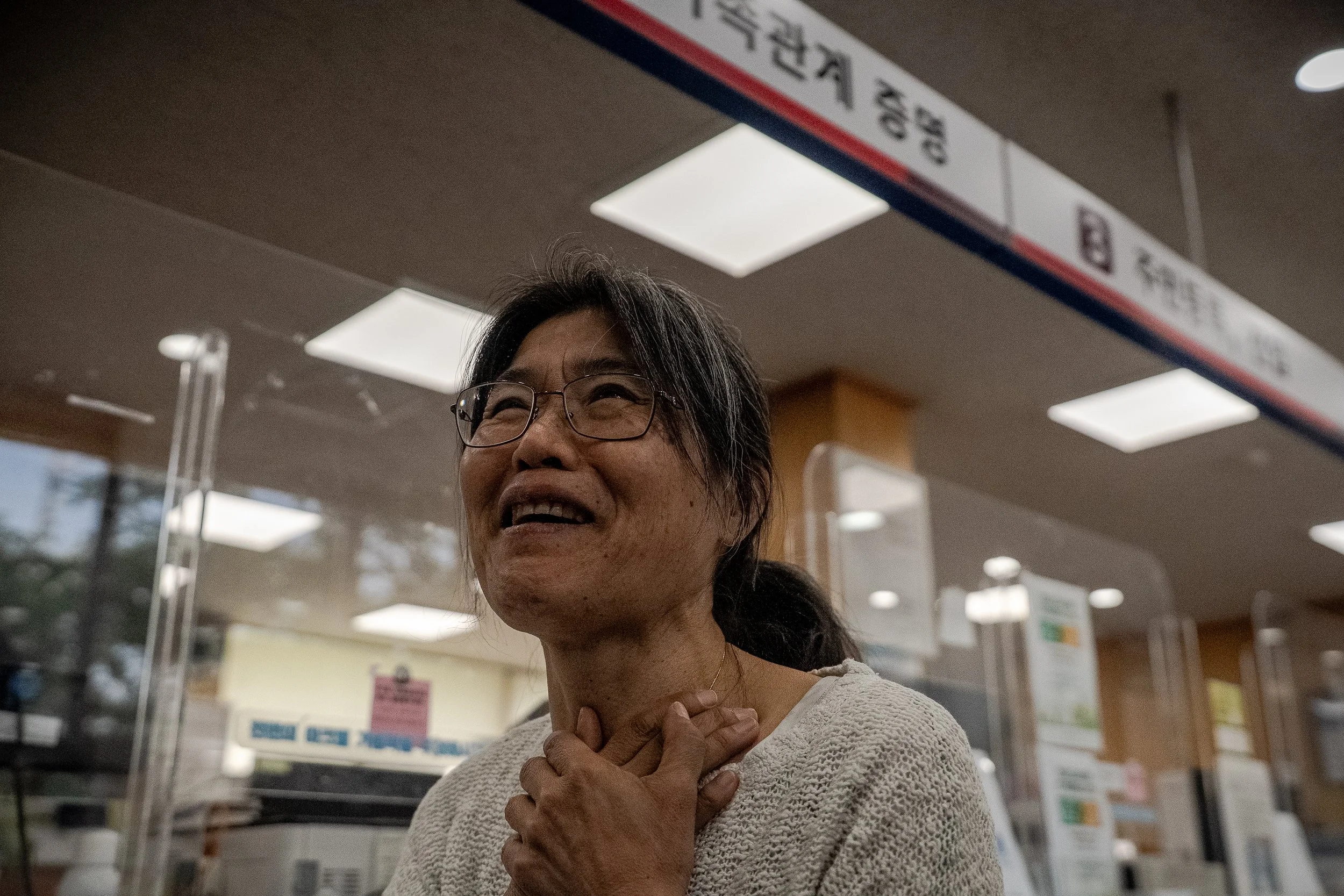
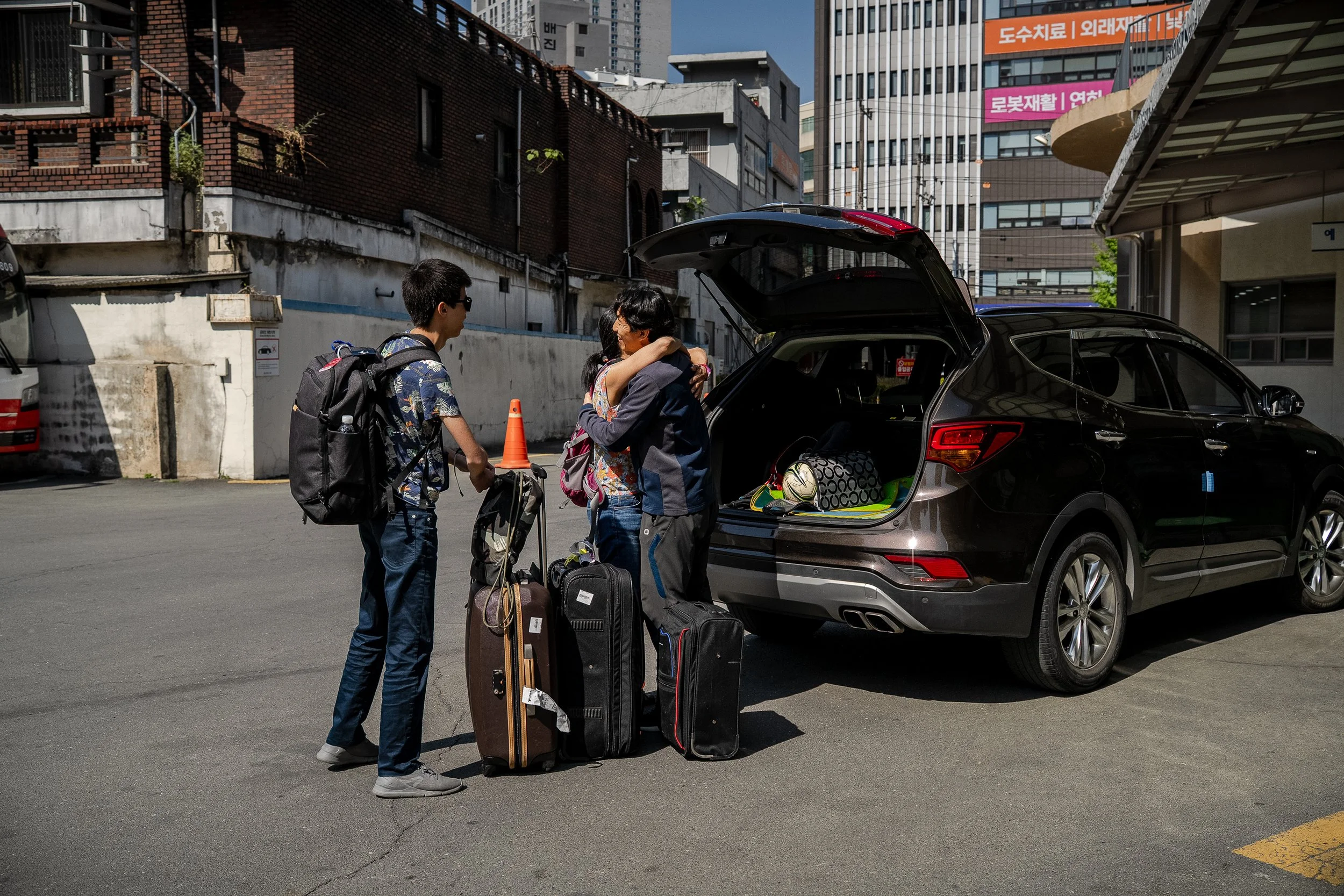
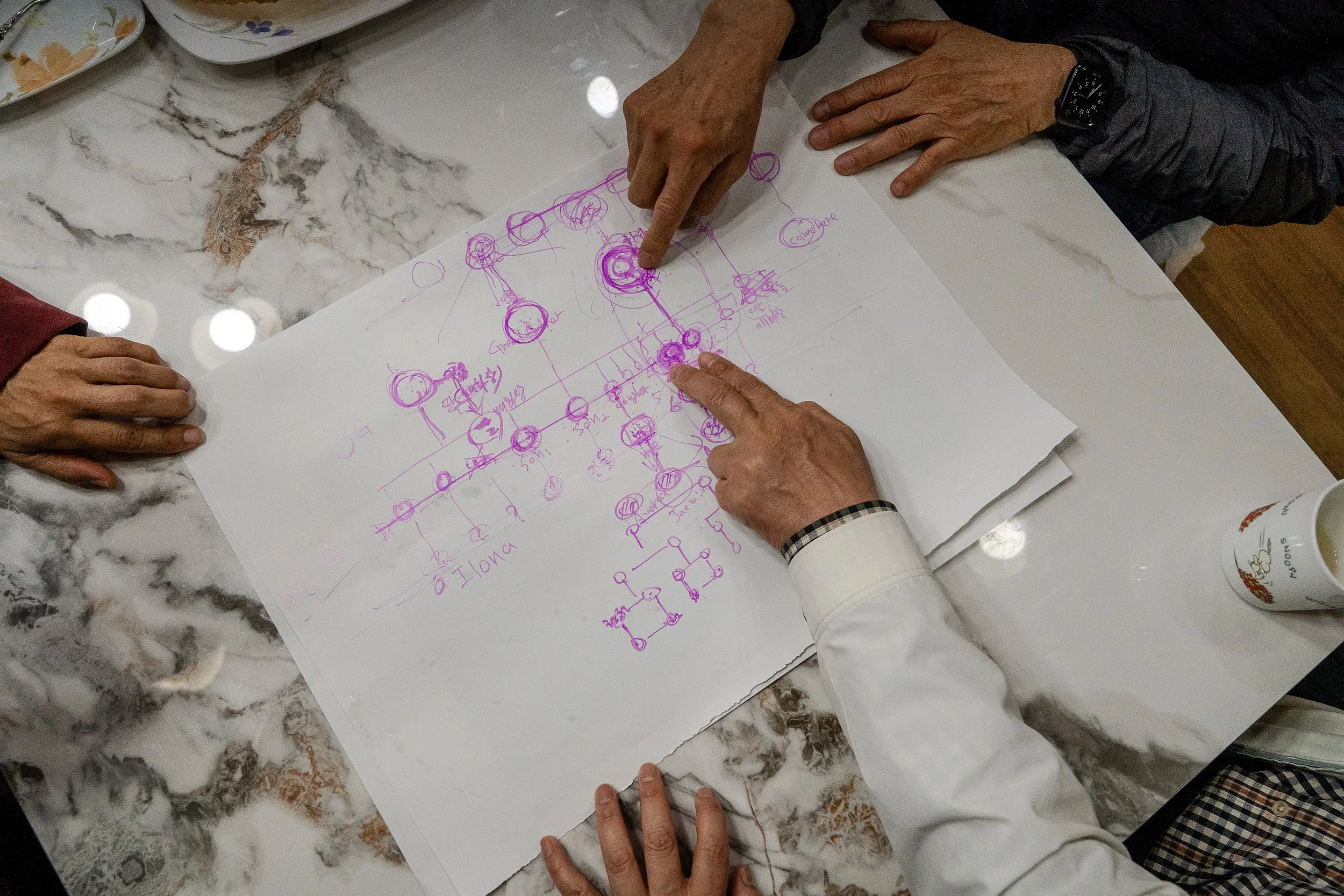
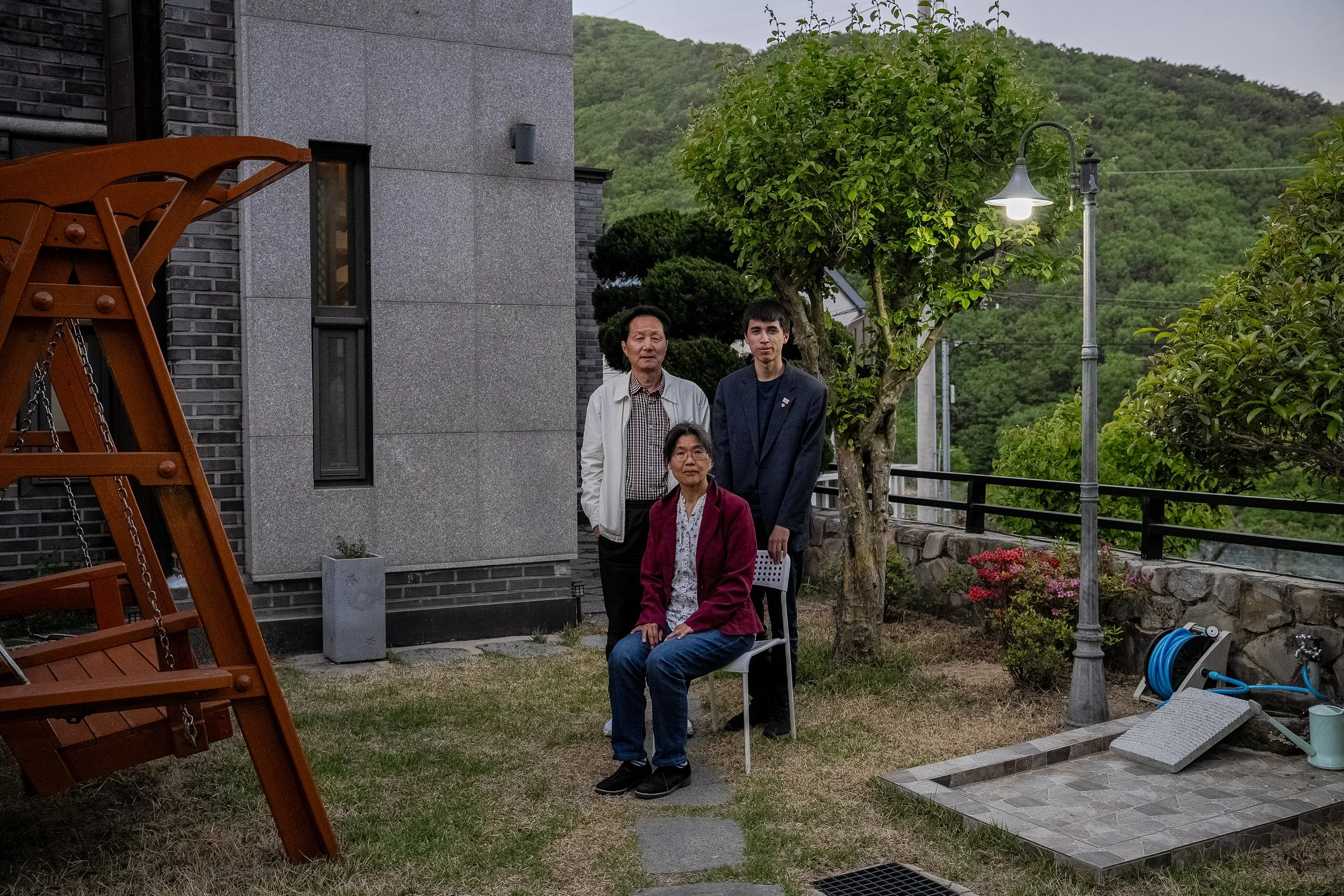
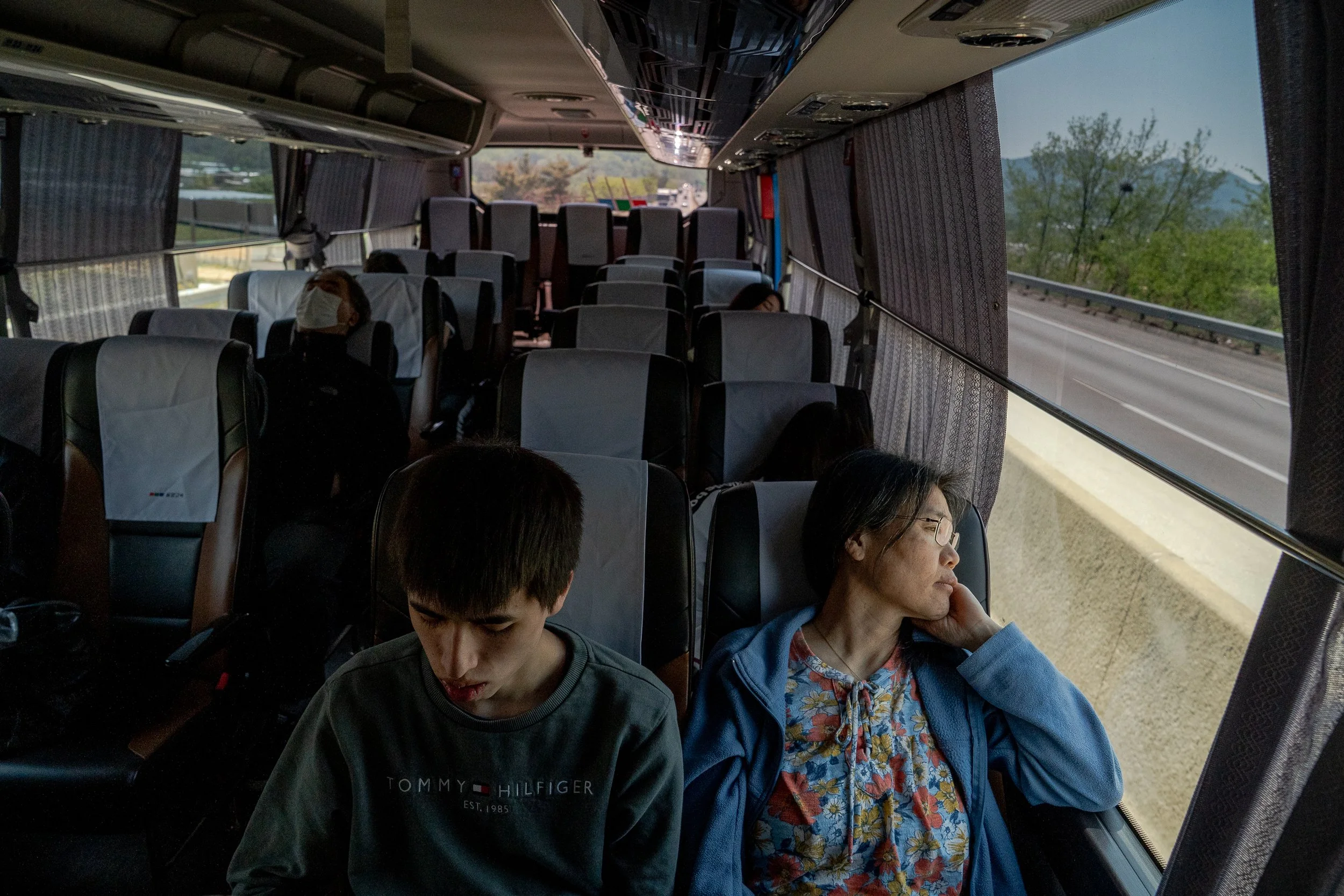
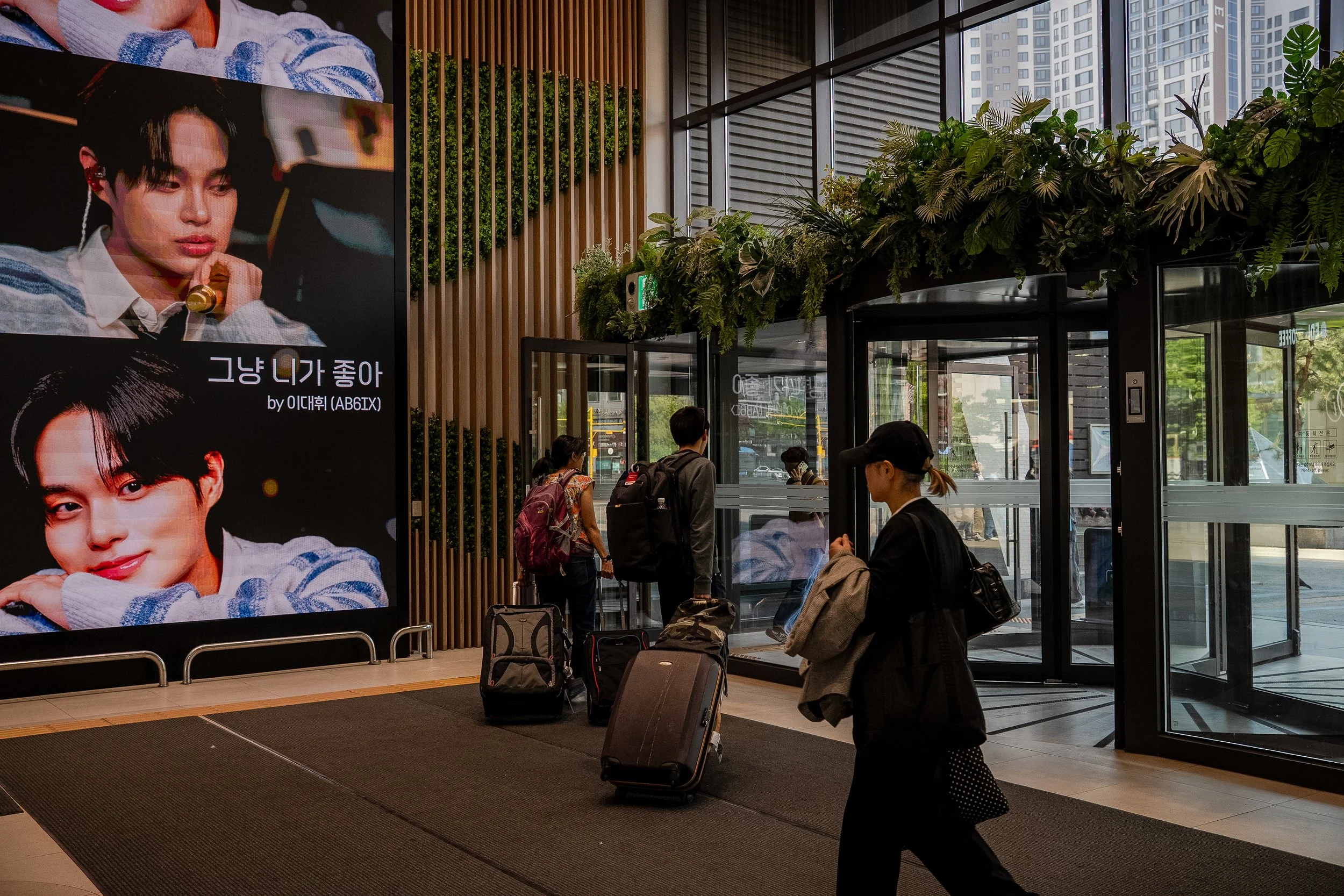
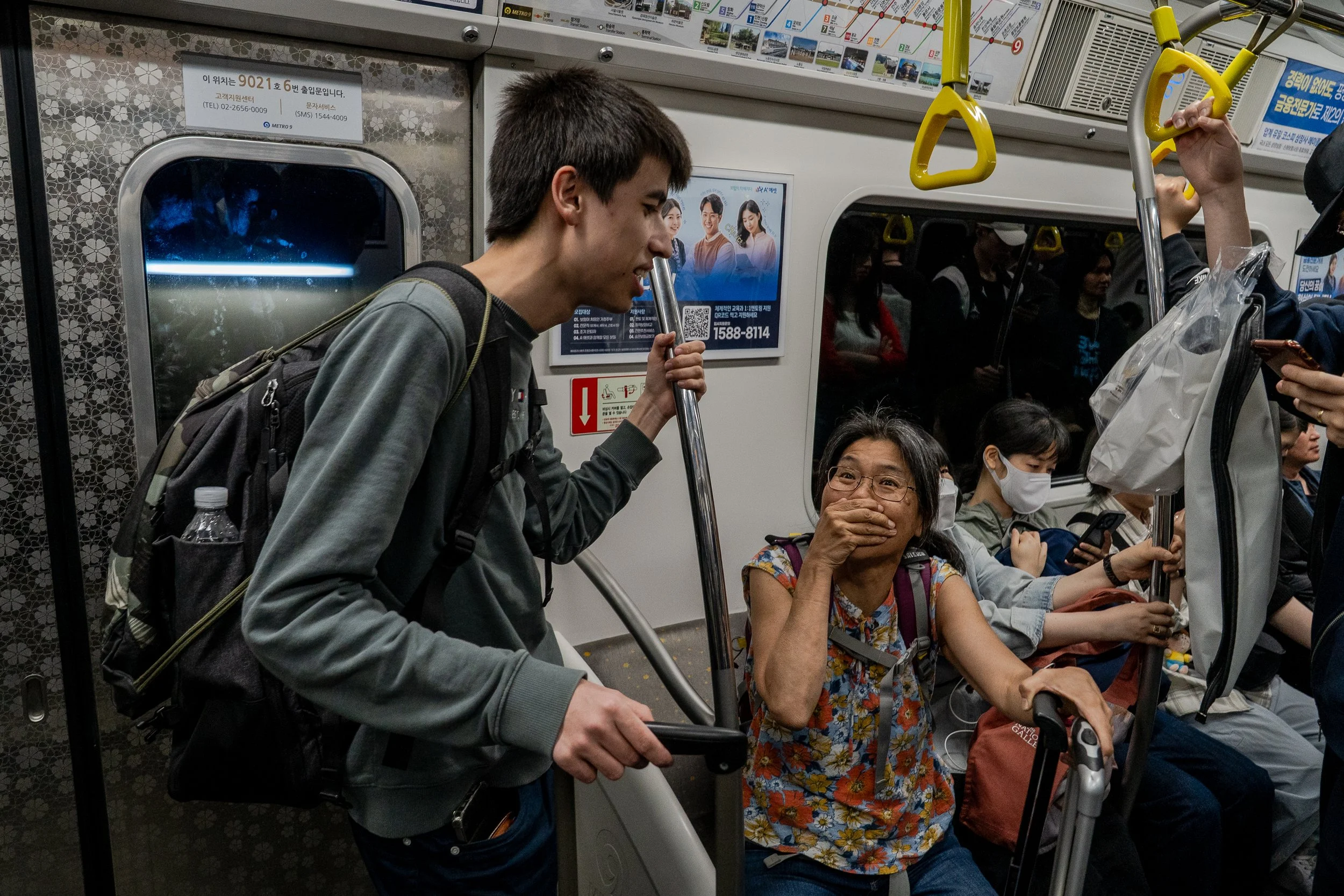
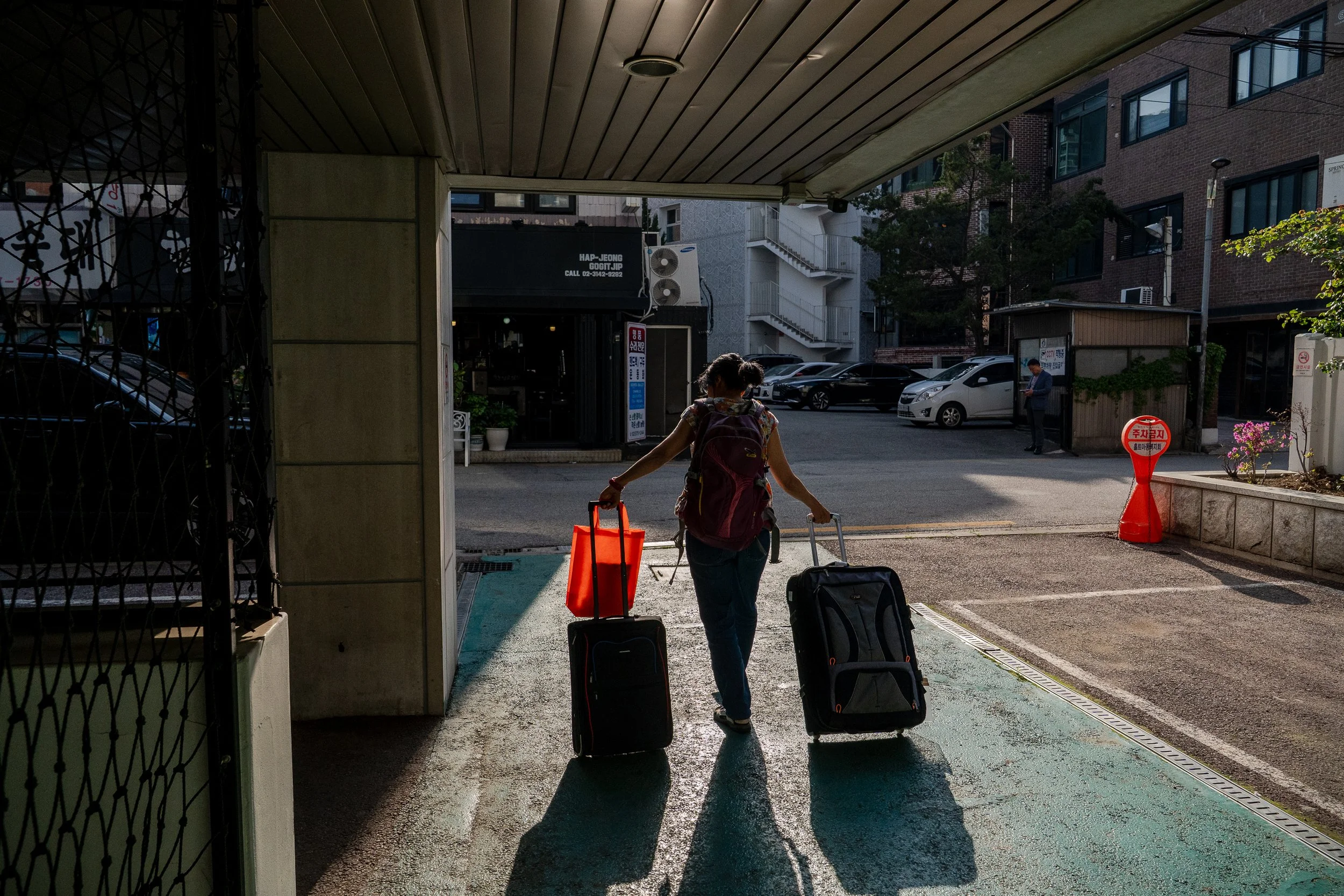
Ilona Wyrsch places her hand on her son's shoulder. His head is bowed, his slender body trembles. "He's just very disappointed," she says. The two of them traveled to South Korea during Joshua's school holidays. He's looking for his grandparents.
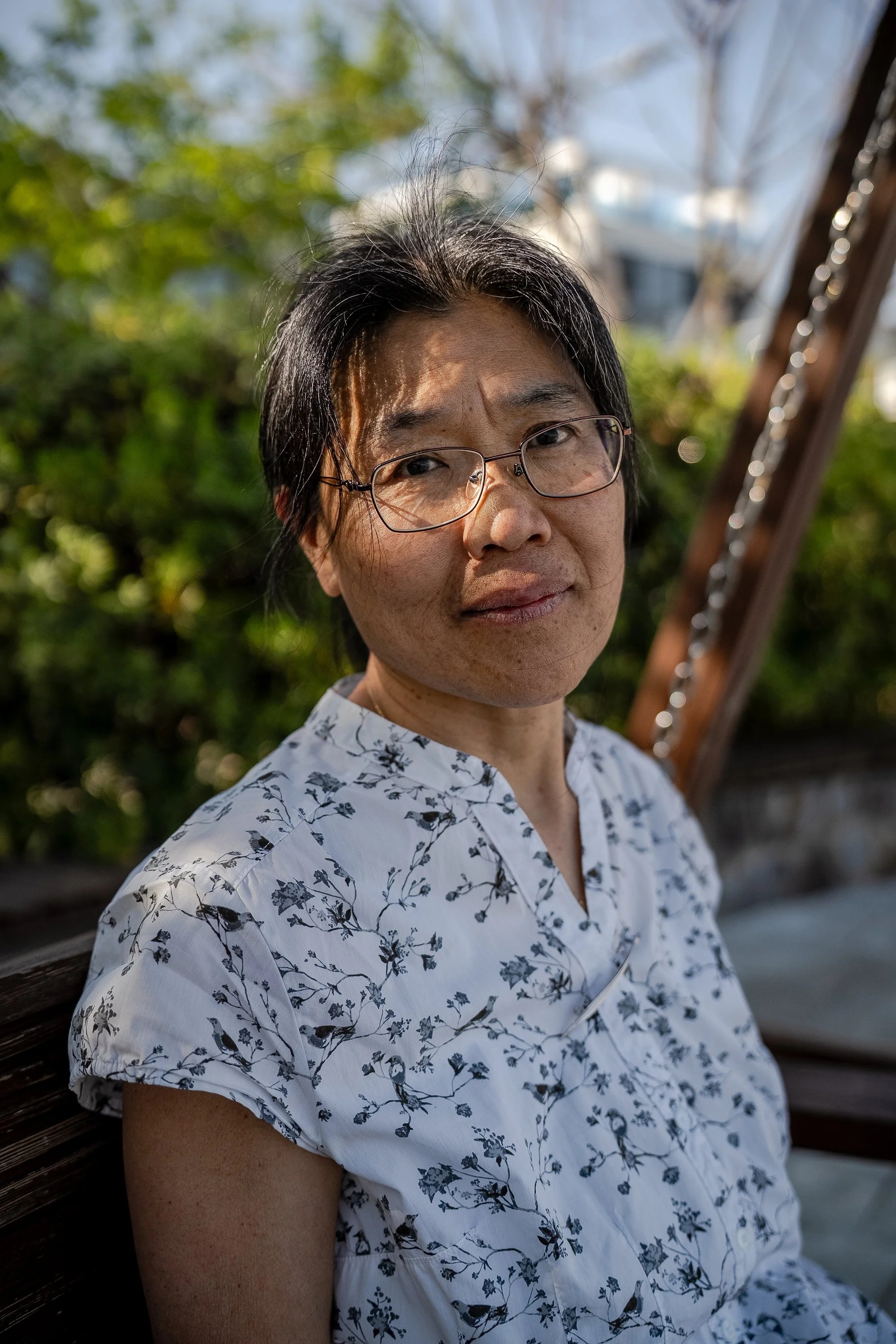
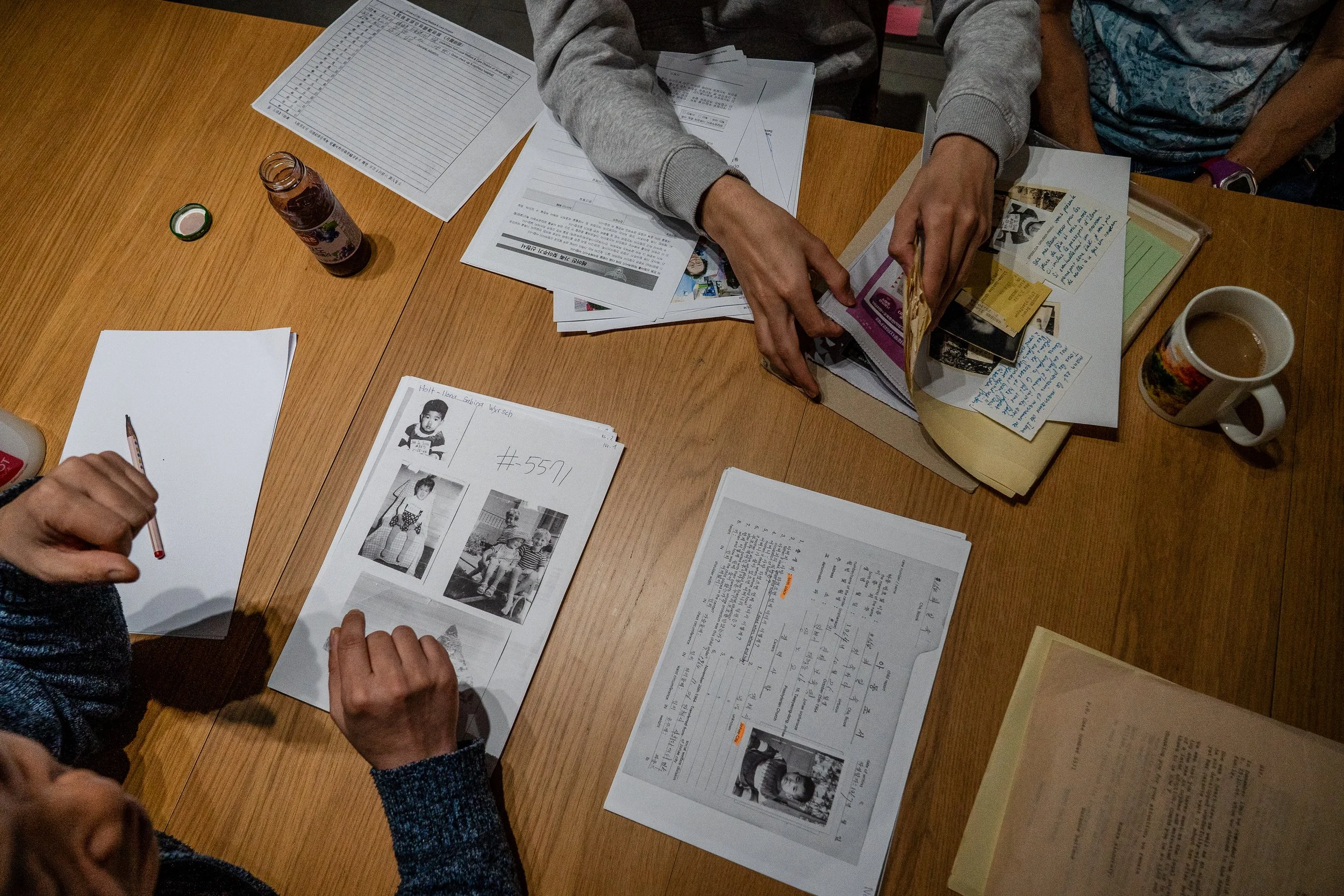
Since the end of the Korean War in 1953, an estimated 200,000 children from South Korea have been placed abroad, more than from any other country in the world. Around 1,200 of them came to Switzerland. Ilona Wyrsch was one of these children. However, not all procedures were lawful. A 2023 study by the Zurich University of Applied Sciences (ZHAW) showed that international adoptions to Switzerland repeatedly violated applicable law, including those involving children from South Korea.
Two years later, the South Korean Truth and Reconciliation Commission also concluded that international adoptions systematically violated human rights between 1964 and 1999. As a result, the government revoked the authority of private agencies to handle adoptions.
However, these reforms changed nothing for Joshua on this April day.
Excerpts from the story by Manuela Enggist (Translated from German to English)
Published by Republik.
August 2026
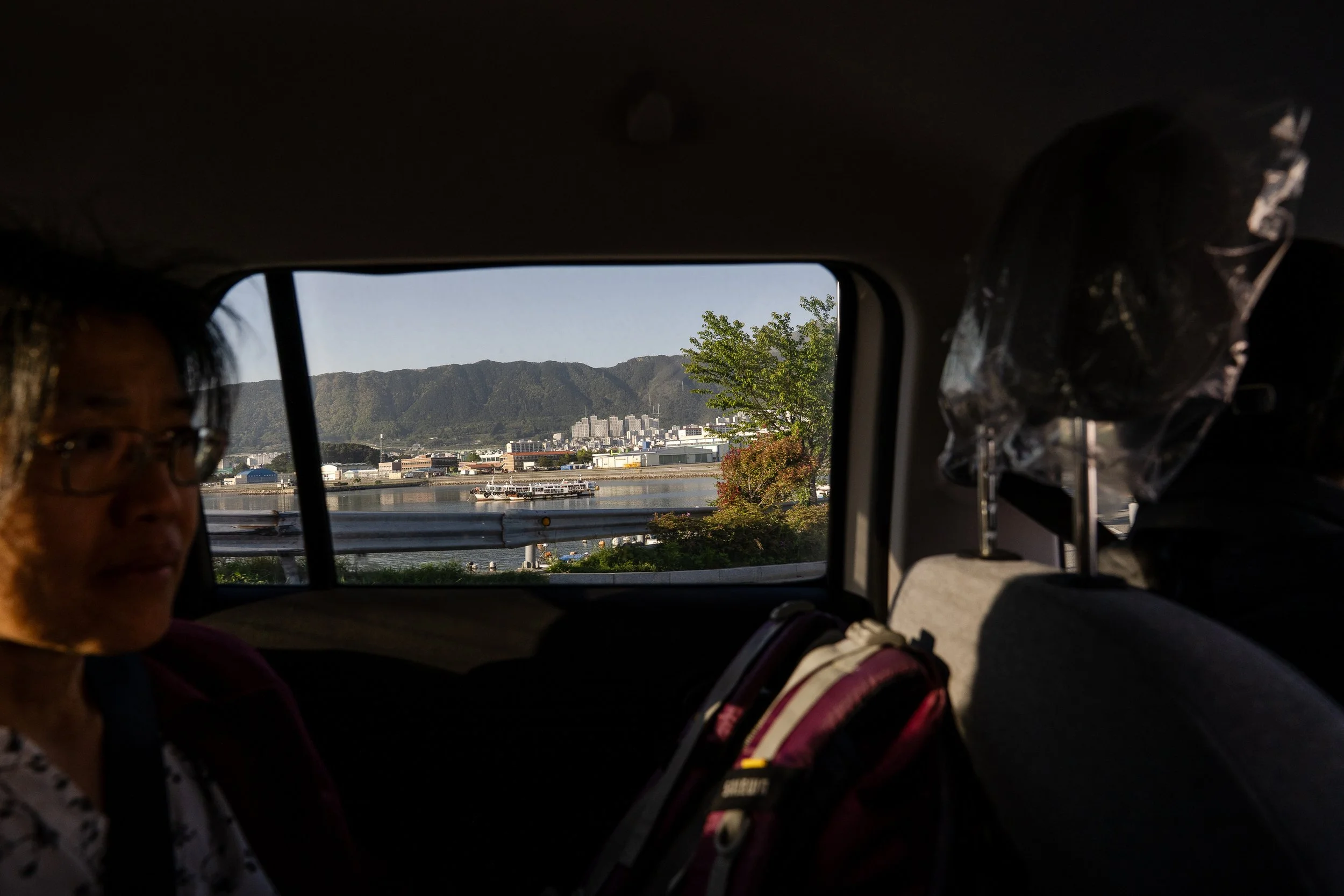
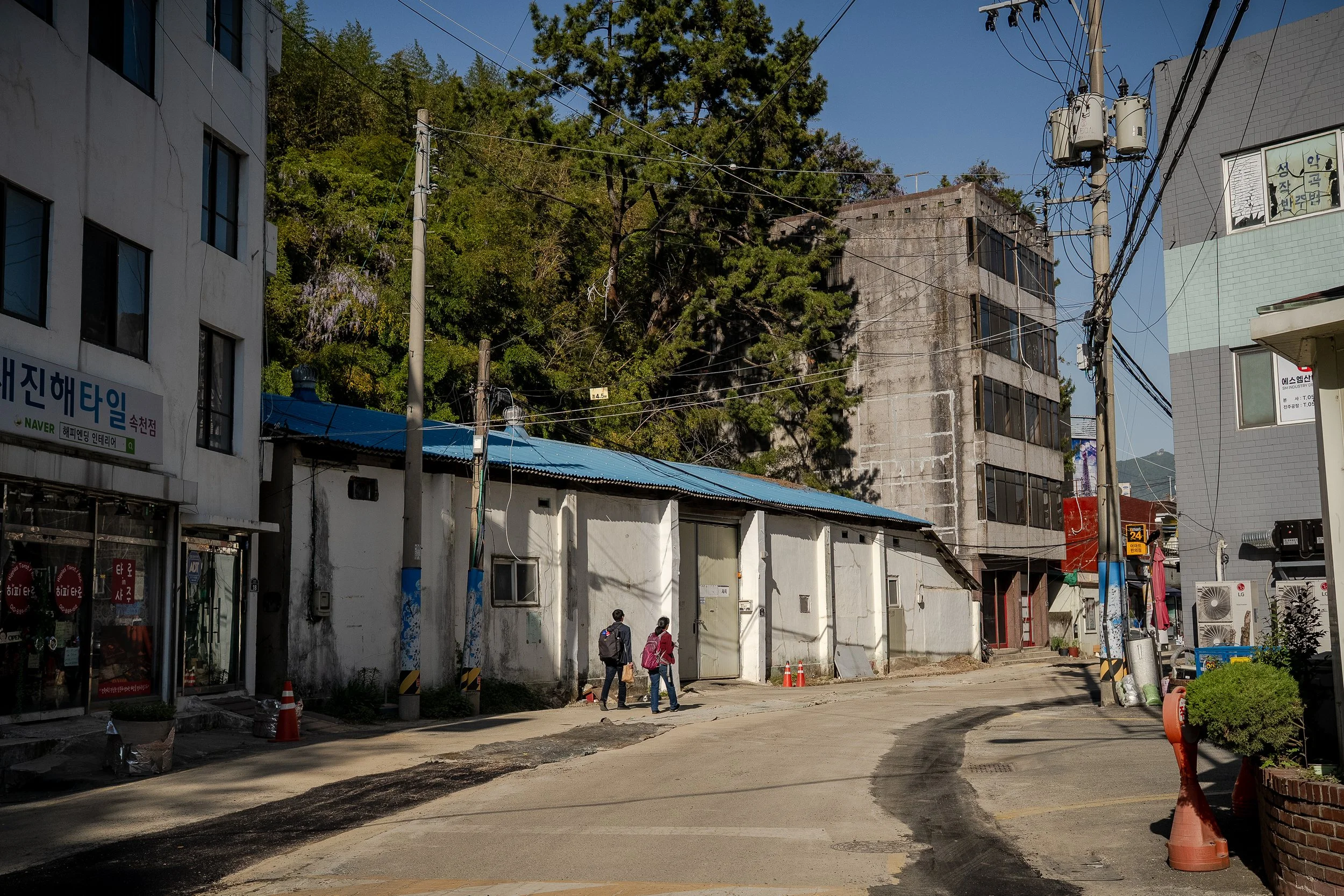
Photographed in Jinhae and Seoul, South Korea